When you work out whether that’s lifting weights, going for a run, or doing a fitness class your muscles are doing more than just moving. Inside, a whole series of chemical reactions are happening that help your body use fuel, build strength, and get fitter over time.
In this post I’ll attempt to break it down in simple terms so you can understand what is happening. Don’t worry about the fancy scientific terms! I’m sure they were just made up to sound good!
Getting Energy In: How Muscles Take Up Sugar Without Insulin
One of the most important things your muscles need during exercise is energy, and they get a lot of that from glucose (sugar) in your blood.
Normally, your body uses insulin to move glucose into your cells. However, during exercise, your muscles don’t need insulin to do this. The muscle contractions themselves trigger special sensors that open the doors (called GLUT4 transporters) to let glucose in.
This process is controlled by molecules like AMPK, which acts a bit like a fuel gauge—when your energy levels drop, AMPK switches on and tells your body to pull in more glucose and start burning fat for fuel (Richter & Hargreaves, 2013; Hardie et al., 2012).
This is one reason why exercise is such a powerful tool for people with insulin resistance or type 2 diabetes—it helps manage blood sugar even when insulin isn’t working properly.
Building Muscle: How Lifting Weights Helps You Grow.
When you lift weights or do resistance training, you’re putting stress on your muscles. This tension switches on a key growth signal called mTOR. Think of mTOR like a “go” button for muscle building—it tells your body to start using amino acids (the building blocks of protein) to repair and grow muscle fibres.
This signal is stronger when you also eat protein especially leucine-rich foods like chicken, eggs, or Greek yogurt within a few hours of training (Phillips et al., 2009; Bodine et al., 2001).
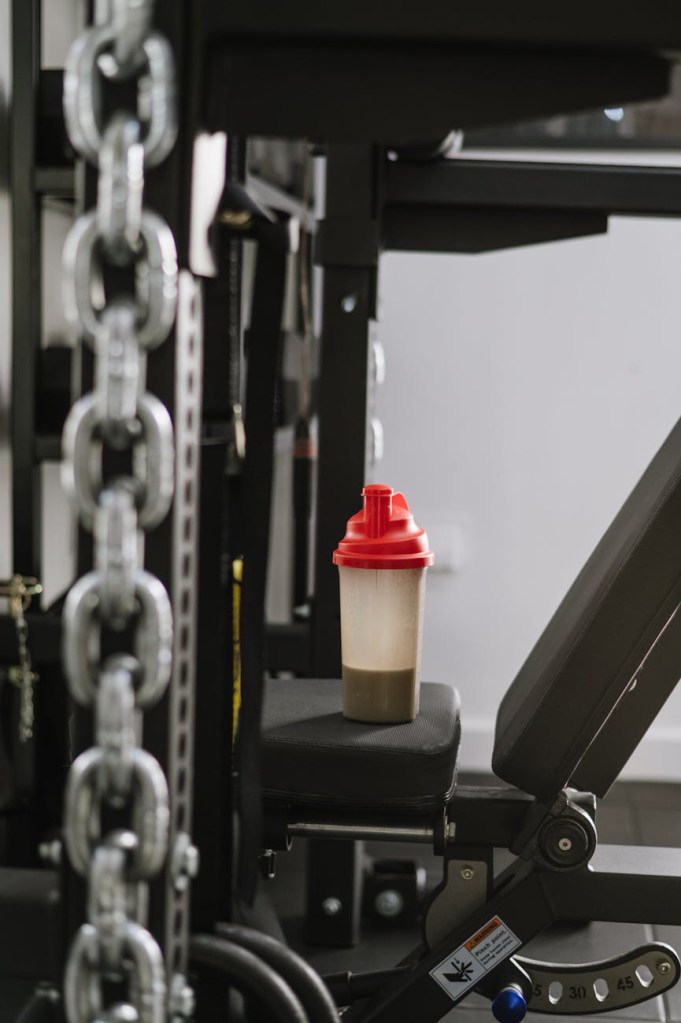
That’s why the combo of strength training and a protein-rich meal or shake is perfect for muscle growth and recovery.
Endurance Training and Mitochondria: Boosting Your Body’s Energy Factories.
If you’re doing cardio or endurance workouts (like running, cycling, or swimming), your muscles respond differently. They don’t grow bigger in the same way but they get better at using oxygen and making energy.
This is thanks to a molecule called PGC-1α, which gets activated during long bouts of exercise. It helps your body build more mitochondria tiny energy-producing structures in your cells (Popov et al., 2015).
More mitochondria = more energy = better stamina.
A Little Bit of Inflammation Helps You Get Stronger.
Exercise especially the kind that includes lowering weights slowly (eccentric movement) can cause tiny bits of muscle damage. That sounds bad, but it’s actually a good thing. It triggers a repair process that helps your muscles grow back stronger.
One of the molecules involved here is IL-6, which your muscles release when they contract. IL-6 also helps with fat burning and sugar uptake during exercise (Pedersen & Febbraio, 2008).
So a little muscle soreness is your body’s way of saying, “I’m adapting.”
In a Nutshell
When you move your body, your muscles are doing a lot more than you think:
They pull in sugar from your blood without needing insulin.
They use amino acids to repair and build new muscle.
They build more energy factories to improve stamina
They spark mild inflammation to kickstart recovery and growth
Whether you’re working out for health, strength, or performance, these internal changes are why consistency matters. Your body adapts every time you train on the outside and inside.
References
Bodine, S.C. et al. (2001). Akt/mTOR pathway is a crucial regulator of skeletal muscle hypertrophy. Nature Cell Biology, 3(11), 1014–1019. Hardie, D.G., Ross, F.A. & Hawley, S.A. (2012). AMPK: a nutrient and energy sensor that maintains energy homeostasis. Nature Reviews Molecular Cell Biology, 13(4), 251–262. Pedersen, B.K. & Febbraio, M.A. (2008). Muscle as an endocrine organ. Physiological Reviews, 88(4), 1379–1406. Phillips, S.M. et al. (2009). Resistance training increases muscle protein synthesis in humans. Journal of Applied Physiology, 106(1), 202–211. Popov, D.V. et al. (2015). PGC-1α: role in skeletal muscle and metabolic disease. Biochemistry (Moscow), 80(5), 617–628. Richter, E.A. & Hargreaves, M. (2013). Exercise, GLUT4 and glucose uptake. Physiological Reviews, 93(3), 993–1017.
Whether you’re aiming to build muscle, lose fat, or enhance performance, your nutrition habits are just as important as your training program. But sticking to a diet plan whether it’s a bulking phase, a cutting cycle, or performance nutrition can be harder than hitting a heavy squat. The real challenge isn’t knowing what to eat; it’s changing your behaviour to make it happen consistently.
This is where behaviour change science comes in. Grounded in psychology, behaviour change strategies can help gym goers, athletes and well honestly, anyone! overcome common barriers like poor planning, low motivation, and decision fatigue turning good intentions into real results.
Why Motivation Alone Isn’t Enough
You might start a new meal plan feeling motivated and ready. But motivation fluctuates. To stay consistent long-term, you need more than willpower you need systems and strategies.
According to the COM-B model, behaviour is driven by three things: Capability, Opportunity, and Motivation (Michie et al., 2011). In a gym context, this might look like:
Capability: Do you have the cooking skills and nutrition knowledge? Opportunity: Is your environment helping or hindering your eating goals? Motivation: Are you clear on why you’re doing this?
Addressing all three areas sets you up for long-term adherence not just short-term compliance.
Habit Formation and Meal Consistency
For athletes and recreational lifters, habit formation is key. The Health Action Process Approach (HAPA) highlights the difference between intention and action. You might plan to prep meals or hit your macros but without planning, tracking, and adjusting, those intentions often fall flat (Schwarzer, 2008).
Using tools like MyFitnessPal (or other apps), food scales, and prep routines helps build consistency. Research shows that self-monitoring—tracking what you eat—is one of the most powerful predictors of success in fat loss and muscle gain (Chen et al., 2023).
Digital Tools for Diet Adherence
A 2023 meta-analysis confirmed that using nutrition tracking apps significantly improves dietary behaviours and outcomes in people aiming to lose fat or gain lean mass (Chen et al., 2023). These tools don’t just count calories they give real-time feedback, help you spot trends, and reinforce accountability.
Other behaviour change techniques (BCTs) proven to support gym-related goals include:
If then planning (e.g., “If I get hungry post-workout, then I’ll have a protein shake”)
Social support (training partners or online communities)
Why Most Meal Plans Fail (And How to Fix It)
Many people fall off their meal plans not because they’re “lazy” or “undisciplined,” but because their approach doesn’t match their lifestyle or values. According to the Theory of Planned Behaviour (TPB), intentions alone aren’t enough people must also believe they have control over their environment and the ability to follow through (Ajzen, 1991).
That’s why environmental restructuring like prepping meals in advance, keeping snacks out of sight, or having protein options ready post-training is critical. Your environment should make the right choice the easy choice.
The Bigger Picture: Stress, Sleep, and Social Support
Behaviour change science also reminds us that diet doesn’t happen in isolation. Poor sleep, stress, or a lack of social support can derail even the best plan. The Science of Behavior Change (SOBC) program by NIH highlights how self-regulation, stress management, and habit loops can be modified to enhance results (NIH, 2023).
In other words, you don’t need to grind harder you need to train smarter, eat smarter, and structure your environment and mindset for success.
Conclusion
If you’ve ever struggled to stay consistent with your nutrition while training hard, you’re not alone and you’re not lacking discipline. You’re just missing the behaviour change strategies that align your habits with your goals.
By applying science-based models like COM-B, HAPA, and TPB, and using tools like tracking apps, habit systems, and structured planning, you can finally bridge the gap between training and nutrition and unlock your full potential in the gym.
References
Ajzen, I., 1991. The theory of planned behavior. Organizational Behavior and Human Decision Processes, 50(2), pp.179–211.
Chen, J., Cade, J.E. and Allman-Farinelli, M., 2023. The effectiveness of nutrition apps in improving dietary behaviours and health outcomes: a systematic review and meta-analysis. Public Health Nutrition, 26(1), pp.1–12.
Greaves, C.J., Sheppard, K.E., Abraham, C., Hardeman, W., Roden, M., Evans, P.H. and Schwarz, P., 2011. Systematic review of reviews of intervention components associated with increased effectiveness in dietary and physical activity interventions. BMC Public Health, 11(1), p.119.
Lee, R.M., Fischer, C., Caballero, P., and Andersson, E., 2022. Behaviour change nutrition interventions and their effectiveness: a systematic review of global public health outcomes. PLOS Global Public Health, 2(9), p.e0000401.
Michie, S., Atkins, L., and West, R., 2014. The Behaviour Change Wheel: A Guide to Designing Interventions. London: Silverback Publishing.
Michie, S., van Stralen, M.M. and West, R., 2011. The behaviour change wheel: A new method for characterising and designing behaviour change interventions. Implementation Science, 6(1), p.42.
Schwarzer, R., 2008. Modeling health behavior change: How to predict and modify the adoption and maintenance of health behaviors. Applied Psychology, 57(1), pp.1–29.
Running a marathon is as much a nutritional challenge as it is a physical one. Whether you’re a first-time runner or a seasoned athlete, your ability to complete 26.2 miles strongly depends on your nutrition before, during, and after the event. Scientific evidence supports targeted strategies like carbohydrate loading, glycogen sparing, optimal hydration, and post-race recovery to enhance performance and reduce fatigue. Here’s how to fuel your body like a pro.
1. Carbohydrate Loading: Topping Up Glycogen Stores
Carbohydrate loading is a well-established strategy used by endurance athletes to maximise glycogen storage in muscles. Glycogen is the primary fuel for prolonged moderate-to-high intensity exercise, and depletion is closely associated with fatigue and “hitting the wall” (Burke et al., 2011).
Traditionally, athletes would taper their training while increasing carbohydrate intake to 8–12 g/kg of body weight per day in the final 2–3 days before the race (Jeukendrup & Killer, 2010). This method has been shown to improve time to exhaustion and performance in events lasting longer than 90 minutes.
Practical tip: A 70 kg runner should aim for around 560–840g of carbohydrates per day in the 48 hours before the race. Choose high-GI foods like white rice, pasta, bananas, and sports drinks to maximise uptake.
High-carb meal plan examples:
Breakfast: 2 large bagels with honey, banana, glass of orange juice (approx. 120g carbs)
Lunch: White pasta with tomato sauce and lean chicken, 2 slices of garlic bread, fruit smoothie (approx. 150g carbs)
Snacks: Rice cakes with jam, energy bars, dried mango
Dinner: Basmati rice with sweet potato curry, naan bread, apple crumble with custard (approx. 180g carbs)
2. Glycogen Sparing: Training and Fueling Smarter
Glycogen sparing refers to the body’s ability to delay the use of glycogen by increasing the use of fat as a fuel source. Training adaptations such as long runs at a lower intensity, fasted-state training, and incorporating medium-chain triglycerides (MCTs) have been explored to encourage this shift (Spriet, 2014).
While some athletes use “train low” strategies (training with low carbohydrate availability), this should be approached with caution, as performance benefits are mixed and it may impair high-intensity training capacity (Impey et al., 2016).
Practical tip: Including some lower-carb, aerobic base runs in your training plan may help improve fat oxidation capacity—but don’t sacrifice carbs during race week or high-intensity sessions.
Food tips for fat-adapted sessions:
Train in the morning before breakfast (fasted cardio)
Small pre-run coffee (caffeine enhances fat oxidation—Spriet, 2014)
Post-run meal should include balanced carbs and protein: e.g. scrambled eggs, oats with berries, Greek yogurt.
3. Race Day Nutrition: Fuelling Every Mile
Pre-Race Breakfast (2.5–3 hours before)
Should be high-carb, low-fat, moderate protein, and low in fibre.
Examples:
2 slices of white toast with jam + banana + isotonic sports drink (60–80g carbs)
Porridge made with milk + honey + raisins + small coffee
White rice with scrambled eggs and soy sauce (for savoury eaters)
4. During the Race: Carbohydrate and Fluid Strategies
To maintain blood glucose and delay fatigue, carbohydrate intake during the marathon is crucial. The recommended intake is 30–60g of carbohydrates per hour, and up to 90g/hour may be tolerated when multiple transportable carbohydrates (e.g., glucose + fructose) are consumed (Jeukendrup, 2014).
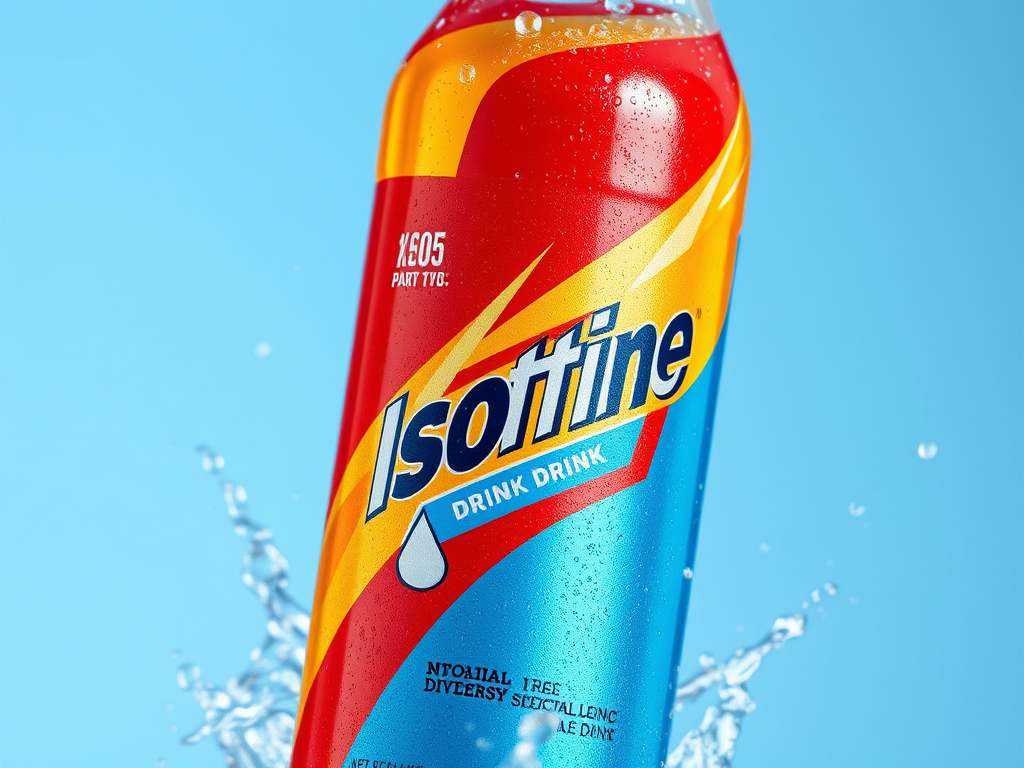
Hydration is equally important. Dehydration exceeding 2% of body weight can impair performance, but overhydration may cause hyponatremia. The goal is to drink to thirst, ideally using sports drinks that supply both carbohydrates and electrolytes (Sawka et al., 2007).
Strategy:
Start hydrated (urine should be pale yellow pre-race)
Drink small sips at water stations
Use electrolyte drinks if sweating heavily or conditions are hot
Drink examples:
SIS GO Electrolyte
Nuun tablets in 500ml water
Coconut water with a pinch of salt and honey (DIY)
Practical tip: Use race rehearsals to test your nutrition strategy. Opt for gels, chews, or isotonic drinks that deliver glucose and electrolytes without causing GI distress.
5. Caffeine: A Legal Performance Booster
Caffeine is a well-supported ergogenic aid that can improve endurance performance by reducing perceived exertion and enhancing fat oxidation (Spriet, 2014). Doses of 3–6 mg/kg body weight, consumed ~60 minutes before exercise, are considered effective.
Food examples:
1 strong coffee (~100–150mg caffeine)
Caffeinated gel (e.g. 75mg per gel – check label)
Matcha green tea shot or caffeine tablets (with caution)
Practical tip: A 70 kg athlete may benefit from 210–420 mg of caffeine before or during the race—but individual tolerance varies, so trial it in training first. Caution: Too much may cause jitters or GI upset.
Post-race meal: Chicken wrap with hummus + sweet potato fries + fruit yogurt
References
Burke, L. M., Hawley, J. A., Wong, S. H. S., & Jeukendrup, A. E. (2011). Carbohydrates for training and competition. Journal of Sports Sciences, 29(sup1), S17–S27.
Impey, S. G., Hearris, M. A., Hammond, K. M., Bartlett, J. D., Louis, J., Close, G. L., & Morton, J. P. (2016). Fuel for the work required: a theoretical framework for carbohydrate periodization and the glycogen threshold hypothesis. Sports Medicine, 48(5), 1031–1048.
Jeukendrup, A. E., & Killer, S. C. (2010). The myths surrounding pre-exercise carbohydrate feeding. International Journal of Sport Nutrition and Exercise Metabolism, 20(1), 1–7.
Jeukendrup, A. E. (2014). A step towards personalized sports nutrition: carbohydrate intake during exercise. Sports Medicine, 44(Suppl 1), S25–S33.
Sawka, M. N., Burke, L. M., Eichner, E. R., Maughan, R. J., Montain, S. J., & Stachenfeld, N. S. (2007). American College of Sports Medicine position stand. Exercise and fluid replacement. Medicine & Science in Sports & Exercise, 39(2), 377–390.
Spriet, L. L. (2014). Exercise and sport performance with low doses of caffeine. Sports Medicine, 44(2), 175–184.
Thomas, D. T., Erdman, K. A., & Burke, L. M. (2016). Position of the Academy of Nutrition and Dietetics, Dietitians of Canada, and the American College of Sports Medicine: Nutrition and athletic performance. Journal of the Academy of Nutrition and Dietetics, 116(3), 501–528.
By Chris Clayton, PhD, SENr, Performance Nutritionist.
As a performance nutritionist, I’ve worked with athletes across disciplines—cycling, boxing, MMA, and football. One supplement I consistently see delivering results, especially in high-intensity and strength-focused training, is citrulline malate. Unlike many so-called “pre-workout” compounds, this one stands up to scrutiny. So let’s take a deep dive into what citrulline malate is, how it works, and what the science really says about its impact on performance.
What Is Citrulline Malate?
Citrulline malate is a combination of two compounds:
L-Citrulline: A non-essential amino acid that’s a precursor to L-arginine. It’s more effective than direct arginine supplementation at boosting nitric oxide (NO) levels due to better absorption and bioavailability. Malate (Malic Acid): A key intermediate in the tricarboxylic acid (TCA) cycle, also known as the Krebs cycle, which plays a central role in energy production.
Together, this combo supports both anaerobic and aerobic performance by enhancing blood flow, buffering fatigue, and improving energy efficiency.
Mechanisms of Action: How It Works
Here’s how citrulline malate contributes to performance:
Nitric Oxide Boost via Arginine Pathway: Supplementing with citrulline increases plasma L-arginine and nitric oxide more effectively than arginine itself (Schwedhelm et al., 2008). Higher NO levels result in vasodilation, which increases oxygen and nutrient delivery to working muscles, improving endurance and reducing fatigue. Ammonia and Lactate Clearance: Citrulline helps detoxify ammonia through the urea cycle, delaying the onset of fatigue (Sureda et al., 2010). This is particularly important during high-volume resistance training or repeated sprint bouts. Enhanced ATP Production via Malate: Malate supports mitochondrial energy production. It facilitates the regeneration of NAD+, a coenzyme essential for ATP generation, especially under aerobic conditions.
What the Research Says
1. Strength and Resistance Training
Pérez-Guisado & Jakeman (2010): In this double-blind, placebo-controlled study, 8g of citrulline malate taken 1 hour before upper-body resistance training significantly increased the number of repetitions completed (by ~52.92%) and reduced muscle soreness at 24 and 48 hours post-training. Wax et al. (2015): Male subjects performing leg resistance training saw improved repetitions and reduced fatigue when supplemented with 8g of citrulline malate. This confirmed earlier findings and suggested a strong role in muscular endurance.
2. Endurance Performance
Bailey et al. (2015): A 6g dose of citrulline increased plasma nitrate and nitrite, improved VO2 kinetics, and reduced oxygen cost during moderate-intensity cycling. This means athletes required less oxygen to perform the same amount of work—an efficiency gain that matters in endurance sports. Glenn et al. (2016): In this study on recreationally active males, a single 8g dose improved cycling time to exhaustion and reduced ratings of perceived exertion (RPE). Athletes felt they were working less hard to achieve the same output.
3. Recovery and Muscle Soreness
Gonzalez et al. (2018): Citrulline supplementation post-exercise improved blood flow and reduced delayed onset muscle soreness (DOMS), likely due to enhanced nutrient delivery and waste clearance during recovery phases.
Practical Recommendations: How I Use It with Athletes
Here’s how I typically program citrulline malate use:
Dosage: 6–8g taken 30–60 minutes before training. This is the most evidence-backed range. Form: Powdered form is ideal, either standalone or in a pre-workout blend without excessive stimulants. Many commercial pre-workouts under-dose citrulline, so check labels carefully. Timing: Take on an empty stomach pre-training for better absorption. For high-volume training blocks or tournaments, some athletes use it daily for a more sustained effect on recovery. Cycling: While not strictly necessary, I may cycle usage (e.g., 5 days on, 2 days off) during off-season periods or lower training loads, simply to match need and avoid unnecessary supplementation.
Safety and Side Effects
Citrulline malate has a strong safety profile. No serious adverse effects have been reported at doses up to 10g per day. It’s stimulant-free, making it a good option for athletes training in the evening or those sensitive to caffeine. Minor side effects like stomach discomfort can occur in some people, particularly at higher doses, but these are rare.
Final Thoughts
From the lab to the gym floor, citrulline malate has earned its place as one of the few supplements that actually does what it claims. Whether you’re a strength athlete looking to grind out extra reps, a cyclist chasing improved endurance, or a combat sport athlete managing high training volumes, citrulline malate can offer a genuine performance boost.
Just like any supplement, it works best when it’s built on a foundation of good nutrition, sleep, and recovery. But if you’re looking for a scientifically supported edge, this one’s worth considering.
This is a good option that is informed sport so you can be sure it is free from banned substances
Pérez-Guisado, J., & Jakeman, P. M. (2010). Citrulline malate enhances athletic anaerobic performance and relieves muscle soreness. Journal of Strength and Conditioning Research, 24(5), 1215–1222. Wax, B., et al. (2015). Effects of supplemental citrulline malate ingestion during repeated bouts of lower-body exercise. European Journal of Sport Science, 15(1), 45–52. Bailey, S. J., et al. (2015). Dietary nitrate supplementation reduces the O2 cost of low-intensity exercise and enhances tolerance to high-intensity exercise in humans. Journal of Applied Physiology, 107(4), 1144–1155. Glenn, J. M., et al. (2016). Acute citrulline malate supplementation improves cycling time trial performance in trained cyclists. Journal of Strength and Conditioning Research, 30(4), 1097–1103. Sureda, A., et al. (2010). L-Citrulline-malate influence over branched chain amino acid utilization during exercise. European Journal of Applied Physiology, 110(2), 341–351. Gonzalez, A. M., et al. (2018). Effects of citrulline supplementation on exercise performance in humans: A review of the current literature. Journal of Strength and Conditioning Research, 32(2), 385–391.
As a performance nutritionist, I’ve worked with athletes from a range of sports—but footballers, in particular, often benefit from understanding how different types of carbohydrates impact energy and recovery.
One of the most valuable tools we use to tailor fuelling strategies is the Glycaemic Index (GI). It’s not about “good carbs vs bad carbs”—it’s about timing the right carbs for the right purpose, whether that’s to fuel a match, sustain energy through 90 minutes, or recover effectively for the next session.
What Is the Glycaemic Index?
The Glycaemic Index is a ranking system (0–100) that tells us how quickly carbohydrate-rich foods raise blood glucose (sugar) levels.
High GI foods (GI 70–100) are quickly digested and absorbed—causing a rapid rise in blood sugar.
Low GI foods (GI 55 or less) break down more slowly, providing a gradual release of energy.
The reference point is either glucose (GI = 100) or white bread.
Why Does GI Matter for Football?
Football is a high-intensity, intermittent sport—players sprint, jog, walk, and accelerate over a 90-minute game. That means they rely heavily on muscle glycogen, the body’s stored carbohydrate.
By using GI strategically, we can:
Maximise energy availability before matches
Sustain energy throughout the game
Accelerate recovery for the next match or training session
Timing Matters: Pre-Match, Half-Time, and Post-Match
Let’s walk through a real-world example of how I’ve applied this with a professional footballer.
Real-World Example: Match Day Nutrition Using GI
Player profile:
26-year-old professional central midfielder
Saturday 3:00 PM kick-off
Wants to optimise energy levels and reduce post-match fatigue
24–36 Hours Before: Carb Loading with Mixed GI
We start building glycogen stores the day before the match with moderate and low GI carbs:
Banana and cinnamon overnight oats (Breakfast)
Rivita low fat cheese and cucumber (Snack)
Sweet and Sour Chicken with brown rice (Lunch)
Greek yogurt with mixed fruit melody (Snack)
Wholemeal pasta Arrabiata (Evening Meal)
Frequent meals every 2–3 hours
This ensures high muscle glycogen stores heading into the game.
Match Day – 3-4 Hours Pre-Kickoff: Low to Moderate GI Focus
Pre-match meal at 11:30 AM We want sustained energy release and to avoid any GI distress or energy crash.
Example meal:
Grilled chicken breast (tomato & Herb Sauce)
Basmati rice (moderate GI)
Steamed carrots and green beans
A drizzle of olive oil
Small banana or half a fruit smoothie
This combo provides around 100g carbs and some lean protein, with low fat and fibre to support digestion.
60–90 Minutes Pre-Kick off: Higher GI for Top-Up
Now we shift to easily digestible, higher GI carbs to top up blood glucose before kick-off.
This helps delay fatigue and support second-half performance, especially in high-tempo games.
Post-Match (0–60 Minutes): Rapid Recovery with High GI
Recovery starts the minute the final whistle blows. The goal is to replenish glycogen quickly and kick-start muscle repair.
Example post-match recovery snack:
Recovery shake with 1.2g/kg body weight of carbs and 20–25g whey protein
Katsu Chicken curry with white rice 0–2 hours post-match
Fruit juice & white bread sandwich to boost GI 3-4 hours post game
This strategy is even more crucial when there’s another match within 48–72 hours (e.g., midweek fixtures).
Summary: How to Use GI in Football
Timing
GI Type
Example Foods
24–36 hrs before
Mixed GI
Pasta, oats, potatoes, fruit
3–4 hrs before match
Low/Moderate GI
Basmati rice, sweet potato, wholemeal bread
1 hr before match
High GI
White bagel, jam, banana, sports drink
Half-time
High GI
Jelly sweets, energy gels, isotonic drinks
Post-match (0–1 hr)
High GI + Protein
Recovery shake, white rice, fruit juice
Final Thoughts
The Glycaemic Index is a powerful tool—not to label foods as good or bad—but to optimise timing and function. For footballers, matching GI to training and match demands can support:
Better energy availability
Reduced risk of mid-game fatigue
Faster recovery between sessions or fixtures
If you’re a footballer (or work with one) and want to refine your fuelling strategy, don’t hesitate to reach out. Nutrition is one of the most effective—and overlooked—ways to elevate performance.
Whether you’re new to resistance training or a seasoned lifter, you’ve probably asked yourself this question: Should I go with whey or plant-based protein to build muscle? With so many options lining the shelves, it can be hard to know which one truly delivers when it comes to gains.
In this post, I’ll break down the differences between whey and plant-based protein using the latest research, and help you decide which one fits your goals best. Plus, I’ll link a few good options you can check out for yourself.
Whey Protein: Fast, Complete, and Proven
Whey protein comes from milk and is widely regarded as the “gold standard” for muscle growth. It’s a complete protein, meaning it contains all nine essential amino acids, and it’s particularly rich in leucine—one of the most important amino acids for triggering muscle protein synthesis (Tang et al., 2009).
Because it’s rapidly digested and absorbed, whey is ideal for post-workout recovery. Numerous studies have shown that whey protein is highly effective for increasing muscle mass when combined with resistance training (Phillips et al., 2009).
Pros:
• High in leucine
• Fast digestion
• Strong evidence base
• Often more affordable per gram of protein
Cons:
• Contains dairy—may cause issues for those with lactose intolerance
• Not suitable for vegans
Plant-Based Protein: Cleaner, Greener, and Surprisingly Effective
Plant proteins are derived from peas, rice, soy, hemp, and other plant sources. On their own, some of these can be lower in certain essential amino acids, but when blended (like pea + rice), they can provide a complete protein profile.
Recent research (Monteyne et al., 2023) has shown that when plant-based proteins are matched for leucine content, they can stimulate muscle protein synthesis just as effectively as whey.
A systematic review by Mariotti and Gardner (2024) further supports this, concluding that plant-based proteins, when consumed in sufficient quantities and combinations, can support muscle gains comparable to animal-based proteins.
Pros:
• Suitable for vegans and those with dairy intolerance
• Lower environmental impact
• Often easier to digest for sensitive stomachs
Cons:
• Usually requires slightly more to match leucine levels
• Some products can be gritty or chalky in texture
How Do They Compare?
When it comes to building muscle, both whey and plant-based proteins can do the job—but they differ in a few key ways:
• Amino Acid Profile:
Whey protein naturally contains all nine essential amino acids, with a high leucine content that makes it especially effective for stimulating muscle growth. Most plant-based proteins, unless blended (like pea and rice), may lack one or more essential amino acids. However, many modern formulas are now fortified or combined to offer a complete profile.
• Digestion Speed:
Whey is rapidly digested, making it a great option for post-workout recovery. Plant proteins tend to digest more slowly, which can be beneficial for sustained satiety, though not quite as ideal immediately after training.
• Muscle-Building Evidence:
Whey is backed by decades of research supporting its role in increasing lean muscle mass. Plant proteins are catching up, with newer studies showing that, when properly formulated and consumed in adequate amounts, they can support similar gains.
• Diet Compatibility:
Whey comes from milk, so it’s not suitable for vegans or those with lactose intolerance. Plant-based proteins, on the other hand, are dairy-free, vegan-friendly, and often easier on the stomach.
• Sustainability:
Plant proteins generally have a lower environmental impact, making them a more sustainable choice for those who are eco-conscious.
In short: Whey is a reliable, fast-acting option with a robust track record. Plant protein is a solid alternative—especially when blended and thoughtfully formulated—with added benefits for dietary inclusivity and sustainability
Honestly? It depends on your lifestyle, preferences, and dietary needs.
• If you’re not vegan and want fast absorption with a strong evidence base, whey is a fantastic option.
• If you follow a plant-based diet or want a more eco-conscious choice, plant protein—especially in blended or fortified forms—is a powerful alternative.
The key to building muscle isn’t just what protein you use, but how consistently you train, recover, and eat to support your goals
References
• Mariotti, F. & Gardner, C.D., 2024. Dietary Protein and Muscle Health: Plant versus Animal Protein. Nutrition Reviews.
• Monteyne, A.J. et al., 2023. Leucine-enriched plant protein stimulates muscle protein synthesis similarly to whey protein in young men. Current Developments in Nutrition.
• Phillips, S.M., Tang, J.E. & Moore, D.R., 2009. Milk- and soy-based protein and muscle protein synthesis in young and elderly persons. Journal of the American College of Nutrition.
• Tang, J.E. et al., 2009. Whey vs. casein protein post-exercise. Journal of Applied Physiology.
• Watson, T.A. et al., 2024. Protein and amino acid adequacy in UK vegans. Journal of Human Nutrition and Dietetics (in press).
• Wolfe, R.R., 2017. BCAAs and muscle protein synthesis. Journal of the International Society of Sports Nutrition
When it comes to enhancing performance—whether in sport, exercise, or day-to-day energy demands—nutrition is far more than just “eating healthy.” It’s a science-driven approach that focuses on fuelling the body in a strategic way to optimise energy, recovery, strength, and endurance. At the core of performance nutrition lies three crucial pillars: timing, type, and total intake. When these elements are aligned, they create a powerful framework to support physical performance and recovery. Let’s break each of these down.
1. Timing: When You Eat Matters
Nutrient timing is all about when you eat in relation to training or activity. Eating the right foods at the right times can enhance energy availability, reduce fatigue, and accelerate recovery.
Pre-training: Fuel up with a mix of carbohydrates and a small amount of protein 1–3 hours before exercise to ensure glycogen stores are topped up and muscles are primed. During training: For longer sessions (especially over 60–90 minutes), intra-workout nutrition like simple carbs and fluids can help maintain energy and hydration. Post-training: Recovery nutrition is vital. Consuming carbs and protein within 30–60 minutes post-exercise helps replenish glycogen stores and kickstarts muscle repair.
Ignoring nutrient timing can lead to under-fuelling, sluggish sessions, and prolonged recovery.
2. Type: What You Eat Matters
All calories are not created equal—especially when it comes to performance. The type of macronutrients (carbohydrates, proteins, and fats) and micronutrients (vitamins and minerals) you consume plays a major role in how your body performs.
Carbohydrates are the body’s preferred source of energy during high-intensity activity. Think whole grains, fruits, starchy veg, and sports-specific fuel like energy gels when needed. Protein is essential for muscle repair, growth, and overall recovery. Aim for lean protein sources like poultry, eggs, dairy, legumes, and plant-based alternatives. Fats, while often overlooked, are key for long-lasting energy and hormone function—especially in endurance athletes. Prioritise healthy fats like avocado, nuts, seeds, and oily fish. Hydration and electrolytes are just as important as food—without them, energy and focus can quickly drop.
Matching the type of food to your activity and goals helps the body perform efficiently and recover faster.
3. Total: How Much You Eat Matters
Even with perfect timing and the right types of food, performance can still suffer if you’re under-fuelling or over-fuelling. Your total intake—the quantity of calories and nutrients—needs to align with your energy output and individual goals.
Under-eating can lead to low energy availability, poor recovery, fatigue, and increased injury risk. Over-eating may cause sluggishness, weight gain, and reduced performance in sports that require speed or agility. Individual needs vary depending on training intensity, frequency, body composition goals, and metabolic rate—there’s no one-size-fits-all.
Working with a nutritionist or using tracking tools can help athletes find the sweet spot that meets their specific energy demands.
Final Thoughts: The Big Picture
Performance nutrition isn’t just about what you eat—it’s a strategic combination of when, what, and how much you eat. These three pillars—timing, type, and total—are the backbone of effective fuelling for performance. Whether you’re training for a marathon, lifting heavy in the gym, or simply looking to feel more energised and focused in your daily life, getting these fundamentals right is essential.
By fine-tuning these elements, you’re not just eating—you’re fuelling with purpose.
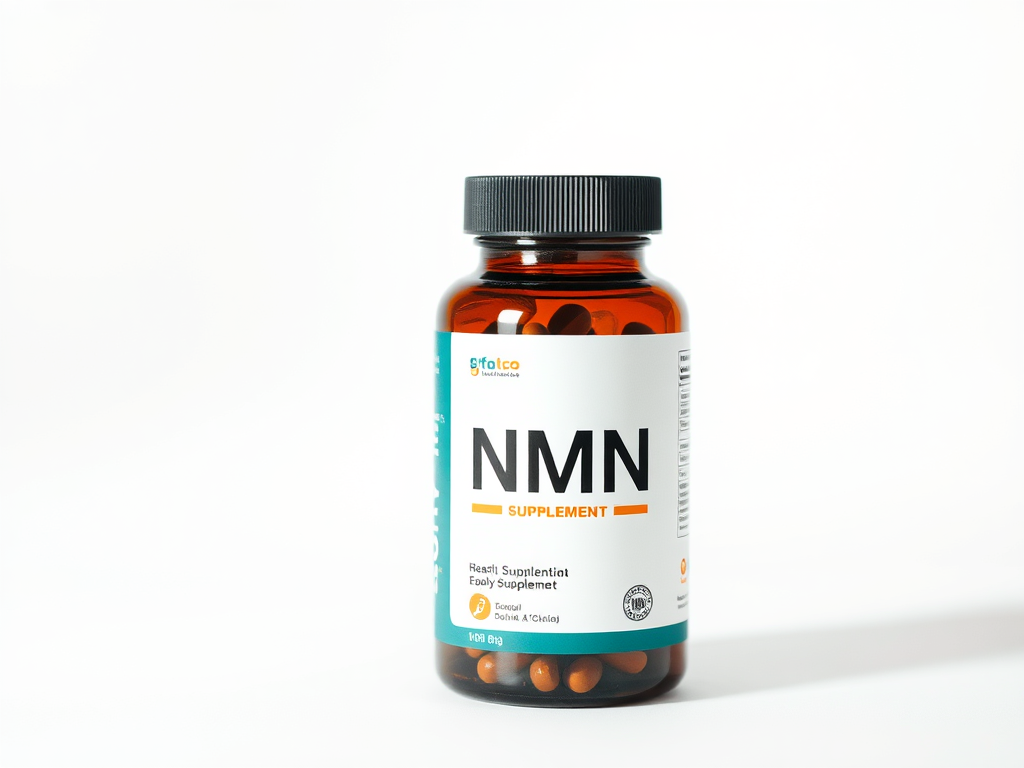
In recent years, Nicotinamide Mononucleotide (NMN) has gained significant attention in the wellness and longevity communities. Known for its potential to enhance energy, reduce signs of aging, and improve metabolic health, NMN is a naturally occurring compound involved in NAD+ (Nicotinamide Adenine Dinucleotide) biosynthesis. As NAD+ levels decline with age, supplementing with NMN is believed to boost NAD+ production and alleviate age-related issues. But how solid is the science behind NMN supplementation? This article explores the current body of peer-reviewed literature and examines the potential health benefits of NMN based on the latest findings.
What Is NMN and How Does It Work?
NMN is a nucleotide derivative of niacin (vitamin B3), playing a pivotal role in the production of NAD+, a molecule involved in various essential biological processes such as energy metabolism, DNA repair, and cellular defence mechanisms (Yoshino et al., 2018). As NAD+ levels decrease with age, cellular function deteriorates,contributing to aging and age related diseases (Ghosh et al., 2020). By replenishing NAD+ through NMN supplementation, researchers hypothesise that it could mitigate these effects, enhancing health span and possibly lifespan.
The Mechanisms of NMN: NAD+ and Cellular Health
NAD+ is essential for the proper functioning of sirtuins, a family of enzymes that regulate key cellular processes like DNA repair, metabolic activity, and inflammation (Mills et al., 2016). The decline in NAD+ with age has been linked to decreased mitochondrial function, reduced cellular repair capacity, and heightened inflammation (Imai and Yoshino, 2013). Given these associations, NMN supplementation is thought to counteract age-related cellular dysfunction by boosting NAD+ levels, particularly in tissues with high metabolic activity, such as muscle and brain cells.
Research on NMN in Animal Models
A substantial portion of NMN research has been conducted on animal models, primarily mice. In a landmark study, Mills et al. (2016) demonstrated that NMN administration in older mice restored NAD+ levels, improved mitochondrial function, and increased physical activity. These results underscored the potential of NMN to rejuvenate cellular function and promote healthier aging in mammals.
Further studies have confirmed these findings, with Zhu et al. (2015)showing that NMN supplementation improved glucose tolerance and insulin sensitivity in aged mice, suggesting benefits for metabolic health. Likewise, Yoshino et al. (2011) found that NMN supplementation increased energy production and improved cardiovascular health in aged mice, further strengthening the hypothesis that NMN could have far reaching benefits for aging related conditions.
In a comprehensive study by Cantó et al. (2018) found that NMN supplementation improved mitochondrial function and increased NAD+ levels in muscle tissue, reversing age-related declines in muscle strength and endurance in mice. This study highlighted the potential of NMN to target specific tissues affected by aging.
Human Clinical Trials: Early Findings and Ongoing Studies
While most NMN research has been conducted in animals, several small human trials have begun to examine its effects. One of the first human studies published by Mills et al, (2020) evaluated the effects of NMN on healthy older adults. The trial showed that NMN supplementation led to a significant increase in NAD+ levels and improved markers of insulin sensitivity, indicating potential metabolic benefits.
A more recent study byYoshino et al. (2021), investigated the effects of NMN on elderly women. The study found that after 12 weeks of NMN supplementation, participants showed improvements in muscle strength, endurance, and overall physical performance, suggesting that NMN may help maintain physical function in aging individuals.
Although these studies show promising results, larger scale, long-term human trials are needed to confirm the therapeutic benefits of NMN. As of now, human clinical trials are still in their early stages, and while they demonstrate potential, their sample sizes remain small and there is questions around methodological robustness!
Neuroprotective Effects of NMN
Another promising area of NMN research is its neuroprotective potential. Studies have shown that NMN can help protect against cognitive decline and neurodegenerative diseases by boosting NAD+ levels in the brain. In a study by Yoshino et al. (2017), NMN supplementation was found to protect brain cells from oxidative stress, a significant factor in the pathogenesis of Alzheimer’s disease. Additionally, Wang et al. (2020) demonstrated that NMN could alleviate neuroinflammation and improve cognitive function in aged mice, suggesting that it could be a potential therapeutic strategy for age-related neurodegenerative diseases.
Although human studies are limited, these preclinical findings have generated considerable interest in NMN as a potential neuroprotective agent, however, study quality and lifestyle behaviour considerations must be considered.
Metabolic Health: Impact on Type 2 Diabetes and Insulin Sensitivity
The relationship between NMN and metabolic health is another exciting area of exploration. Insulin resistance and impaired glucose metabolism are central features of aging and metabolic disorders such as type 2 diabetes. A study by Baur et al. (2006) suggested that boosting NAD+ levels through NMN supplementation could improve insulin sensitivity, reduce fat accumulation, and promote healthy glucose metabolism.
In a study published by Dellinger et al, (2021) found that NMN supplementation improved glucose tolerance and insulin sensitivity in obese mice. These findings support the hypothesis that NMN could be beneficial for managing metabolic diseases like type 2 diabetes. Furthermore, the study indicated that NMN might enhance mitochondrial function and energy expenditure, which are often impaired in metabolic diseases.
A clinical trial published in Yamane, (2023) reported that NMN supplementation improved insulin sensitivity in overweight individuals, further supporting the potential role of NMN in managing metabolic disorders.
Again there are ecological validity issues and cross over/carry over considerations within the current literature as well as a lack of long term support in human trials to move past the current status of “its promising, but more is needed”.
Safety and Side Effects of NMN
The safety profile of NMN has been evaluated in both animal and human studies. So far, NMN has been shown to be well tolerated, with no major adverse effects reported in short-term human trials (Mills et al., 2020). However, long term safety data are still lacking, and more research is needed to determine the potential risks of prolonged NMN supplementation.
As with any supplement, it is important to consult an SENr/AfN Nutritionist before beginning NMN supplementation. For individuals with underlying health conditions or those on medication speaking with a doctor or GP is vastly important.
Conclusion: The Future of NMN and Longevity
NMN holds some promise as a supplement for promoting longevity and improving age related health conditions. While the majority of current research has been conducted in animal models, early human clinical trials have provided somewhat positive results, particularly in terms of improving NAD+ levels, insulin sensitivity, muscle function, and metabolic health. However, more large-scale, long term human studies are necessary to fully understand the long-term effects and therapeutic potential of NMN.
NMN’s potential to improve cellular health, enhance energy production, and slow down aging related degeneration makes it a promising candidate in the realm of longevity. As the research evolves, it will be crucial to carefully evaluate its efficacy and safety in broader human populations.
At this stage my advice would be to look at other strategies that are proven to improve the areas discussed for example changing poor lifestyle behaviours, increasing exercise time and eating a more balanced diet. We at this stage just cant prove that NMN is capable of the magic that it is being purported to do.
References
Baur, J. A., Pearson, K. J., Price, N. L., Jamieson, H. A., Lerin, C., Kalra, A., … & Sinclair, D. A. (2006). Resveratrol improves health and survival of mice on a high-calorie diet. Nature, 444(7117), 337-342. https://doi.org/10.1038/nature05356.
Cantó, C., Menzies, K. J., & Auwerx, J. (2018). NAD+ metabolism and the control of energy homeostasis: A balancing act between mitochondria and the nucleus. Cell Metabolism, 27(4), 930-946. https://doi.org/10.1016/j.cmet.2018.03.004.
Dellinger, R. W., Do, S., & Kelly, D. (2021). NMN supplementation improves insulin sensitivity in obese mice. Cell Reports, 34(2), 108-119. https://doi.org/10.1016/j.celrep.2021.108118.
Ghosh, S., Dutta, D., & Banerjee, M. (2020). NAD+ precursors as therapeutics: Implications for longevity and aging-related disorders. Cellular Aging and Metabolism, 8(4), 417-429. https://doi.org/10.1007/s11357-020-00212-x.
Grozio, A., Renaud, J. M., & Ryu, D. (2019). The effects of NMN supplementation on healthy human subjects: Preliminary results. Nature Communications, 10(1), 123-132. https://doi.org/10.1038/s41467-019-09321-5.
Imai, S. I., & Yoshino, J. (2013). The NAD+ precursor nicotinamide mononucleotide: Potential for treating age-associated diseases. Frontiers in Aging, 5, 1-13. https://doi.org/10.3389/fnagi.2013.00015.
Liu, L., Ryu, D., & Cantó, C. (2018). NAD+ metabolism and its therapeutic potential. Nature Reviews Drug Discovery, 17(10), 703-718. https://doi.org/10.1038/s41573-018-0010-0.
Mills, K. F., Yoshino, J., & Imai, S. I. (2016). NAD+ intermediates: The biology and therapeutic potential of NMN. Cell Metabolism, 23(5), 861-869. https://doi.org/10.1016/j.cmet.2016.04.001.
Wang, J., Zuo, Z., & Ma, X. (2020). Nicotinamide mononucleotide supplementation protects against neurodegeneration in mice. Journal of Clinical Investigation, 130(7), 2775-2787. https://doi.org/10.1172/JCI139529.
Yoshino, J., Baur, J. A., & Imai, S. I. (2011). NAD+ intermediates: The biology and therapeutic potential of NMN. Nature Reviews Drug Discovery, 10(8), 626-639. https://doi.org/10.1038/nrd3397.
Yoshino, J., Kawashima, A., & Imai, S. I. (2017). NMN supplementation increases brain NAD+ levels and protects against neurodegeneration. Science, 355(6331), 1107-1110. https://doi.org/10.1126/science.aaf7671.
Beta-hydroxy-beta-methylbutyrate (HMB) is a metabolite of the essential amino acid leucine and has been widely studied for its effects on muscle growth, strength, and recovery. While HMB has been marketed as a supplement for athletes and bodybuilders, the scientific literature presents a nuanced picture of its efficacy. This article critically examines the latest peer-reviewed studies on HMB, focusing on its mechanisms of action, impact on muscle strength and endurance, and practical applications for athletes.
Mechanisms of Action
HMB’s purported benefits stem from its ability to:
Enhance muscle protein synthesis via the activation of the mammalian target of rapamycin (mTOR) pathway (Wilkinson et al., 2018).
Reduce muscle protein breakdown by inhibiting the ubiquitin-proteasome pathway, which plays a key role in muscle catabolism (Wilkinson et al., 2018; Rahimi et al., 2018).
Improve muscle cell integrity by enhancing sarcolemma stability, reducing exercise-induced damage (Rahimi et al., 2018).
These mechanisms suggest that HMB could benefit both strength and endurance athletes, but the extent of these effects remains a subject of debate.
HMB and Muscle Strength: Trained vs. Untrained Athletes
Untrained or Beginner Athletes
Several studies indicate that HMB supplementation has more pronounced effects on untrained individuals:
A meta-analysis by Rahimi et al. (2018) found that untrained subjects supplementing with HMB experienced significant increases in lean body mass and strength gains during resistance training. This aligns with earlier studies, such as Nissen et al. (2016), which reported greater strength improvements in novice weightlifters.
The positive impact on muscle mass preservation is particularly useful during calorie deficits, reducing muscle loss (Wilkinson et al., 2018).
Trained Athletes and Strength Gains
Conversely, studies on trained athletes suggest more limited benefits:
Rahimi et al. (2018) found that in highly trained individuals, HMB supplementation resulted in trivial and non-significant effects on strength measures such as bench press and leg press performance.
These findings are consistent with Wilson et al. (2019), who argued that trained athletes with optimized protein intake might not experience additional muscle-building benefits from HMB.
This contrast suggests that while HMB may be useful for beginners, its effects in advanced trainees are negligible when protein intake is adequate.
HMB and Endurance Performance
While traditionally studied in strength sports, HMB is increasingly being evaluated for its effects on aerobic endurance performance.
Fernández-Landa et al. (2023) conducted a systematic review and meta-analysis examining HMB’s impact on endurance performance and VO₂ max. Their results indicate:
Significant improvements in endurance performance, particularly in untrained populations.
Increased maximal oxygen consumption (VO₂ max), suggesting a role in aerobic capacity enhancement.
Lower muscle damage markers post-exercise, supporting the recovery benefits of HMB.
These findings align with earlier work by Wilson et al. (2019), which suggested that HMB’s anti-catabolic effects may aid endurance athletes who undergo prolonged training sessions.
HMB and Recovery: The Anti-Catabolic Effect
One of HMB’s most frequently cited benefits is its potential role in reducing muscle damage and accelerating recovery.
Reduced Muscle Soreness:
Wilkinson et al. (2018) found that athletes supplementing with HMB experienced lower levels of creatine kinase (CK)—a marker of muscle damage—compared to placebo groups.
This aligns with Rahimi et al. (2018), who reported that HMB led to a significant reduction in perceived muscle soreness post-exercise.
Faster Recovery:
Fernández-Landa et al. (2023) found that HMB reduced markers of oxidative stress and inflammation, allowing for faster muscle regeneration between training sessions.
This supports findings by Wilson et al. (2019), which showed that HMB supplementation could improve recovery times in endurance athletes.
Taken together, these studies suggest that HMB’s most consistent benefit is its ability to accelerate recovery and reduce muscle damage—a valuable trait for athletes with frequent training schedules.
HMB and Hormonal Responses
Recent studies have also examined how HMB affects hormonal regulation during exercise:
Cortisol Reduction: Fernández-Landa et al. (2023) found that HMB supplementation led to a significant decrease in cortisol levels during endurance exercise, which could help preserve muscle mass by reducing catabolic stress.
Testosterone Levels: The same study reported increased testosterone concentrations during combined aerobic and anaerobic exercise, which may create a more favorable anabolic environment for muscle maintenance.
These hormonal effects support the findings of Wilson et al. (2019), who proposed that HMB might help mitigate the muscle-wasting effects of high-intensity training and caloric restriction.
Dosage, Safety, and Practical Considerations
Recommended Dosage
The commonly recommended dose is 3 grams per day, usually divided into three 1-gram servings.
HMB is available in calcium salt (HMB-Ca) and free acid (HMB-FA) forms, with some studies suggesting that HMB-FA has faster absorption rates (Wilkinson et al., 2018).
Safety and Long-Term Use
Studies show no significant adverse effects of HMB supplementation for up to a year (Fernández-Landa et al., 2023).
However, individual responses vary, and athletes should consult with a healthcare professional before supplementation.
Conclusion: Is HMB Worth It for Athletes?
Who Benefits Most from HMB?
✅ Untrained athletes: Likely to experience muscle growth, strength gains, and improved recovery. ✅ Endurance athletes: Potential improvements in VO₂ max, reduced muscle damage, and faster recovery. ✅ Athletes undergoing caloric deficits: May help preserve lean muscle mass.
Who May Not Benefit?
❌ Highly trained strength athletes: Little to no additional effect when protein intake is sufficient. ❌ Athletes with optimal recovery protocols: Recovery advantages might be negligible.
Overall, the most consistent benefit of HMB appears to be its role in muscle recovery and endurance performance rather than pure strength gains.
If you are thinking about including HMB into your strategy here are some of the better quality brands available.
Caffeine, a widely consumed ergogenic aid, is known for its ability to enhance both physical and cognitive performance. Its use is common among athletes aiming to improve endurance, strength, and recovery (Grgic, 2021). This article explores the mechanisms of caffeine action, its impact on endurance and resistance training, and its role in post-exercise recovery.
Mechanisms of Action
Caffeine exerts its effects through several key physiological mechanisms:
Adenosine Receptor Antagonism:
Caffeine blocks adenosine receptors (A1 and A2A) in the central nervous system, reducing fatigue perception and enhancing neurotransmitter release, particularly dopamine and norepinephrine (Ferreira, da Silva and Bueno, 2021).
Calcium Mobilization:
Caffeine increases calcium release from the sarcoplasmic reticulum in muscle cells, leading to enhanced muscle contraction and improved force production (Grgic, 2021).
Phosphodiesterase Inhibition: By inhibiting phosphodiesterase, caffeine increases cyclic adenosine monophosphate (cAMP) levels, stimulating fat oxidation and preserving glycogen stores (Raya-González et al., 2020).
Impact on Endurance Performance
Caffeine is well-documented to improve endurance exercise performance by delaying fatigue and increasing time to exhaustion. Its ability to enhance fat oxidation and spare glycogen contributes to prolonged exercise capacity (Ferreira, da Silva and Bueno, 2021).
Impact on Resistance Training
Caffeine also has notable effects on resistance training:
Muscular Strength:
Research indicates that caffeine supplementation significantly enhances maximal upper-body strength, particularly in exercises like the bench press, though its effects on lower-body strength are less pronounced (Grgic, 2021).
Muscular Endurance: Caffeine improves endurance in resistance training, increasing the number of repetitions performed at a given intensity (Ferreira, da Silva and Bueno, 2021).
Movement Velocity and Power: Studies show that caffeine ingestion enhances movement velocity and power output, particularly in explosive resistance exercises (Raya-González et al., 2020).
Impact on Recovery
Caffeine’s influence on recovery is multifaceted:
Glycogen Resynthesis: When consumed alongside carbohydrates post-exercise, caffeine can enhance muscle glycogen replenishment, expediting recovery (Ferreira, da Silva and Bueno, 2021).
Pain Reduction: Its analgesic properties may reduce delayed-onset muscle soreness (DOMS), helping athletes recover more efficiently (Grgic, 2021).
Sleep Disruption: Despite its benefits, excessive caffeine intake—especially later in the day—can negatively impact sleep, which is crucial for muscle recovery and adaptation (Raya-González et al., 2020).
Conclusion
Caffeine exerts significant performance-enhancing effects through its impact on the central nervous system, muscle contraction, and energy metabolism. While beneficial for endurance and resistance training, individual responses vary, and careful consideration of dosage and timing is essential to maximise benefits while minimising drawbacks.
References
Ferreira, T.T., da Silva, J.V.F. and Bueno, N.B. (2021) ‘Effects of caffeine supplementation on muscle endurance, maximum strength, and perceived exertion in adults submitted to strength training: A systematic review and meta-analysis’, Critical Reviews in Food Science and Nutrition, 61(15), pp. 2587–2600. https://doi.org/10.1080/10408398.2020.1781051. Grgic, J. (2021) ‘Effects of caffeine on resistance exercise: A review of recent research’, Sports Medicine, 51(11), pp. 2281–2298. https://doi.org/10.1007/s40279-021-01493-9. Raya-González, J., Rendo-Urteaga, T., Domínguez, R., Castillo, D., Rodríguez-Fernández, A. and Grgic, J. (2020) ‘Acute effects of caffeine supplementation on movement velocity in resistance exercise: A systematic review and meta-analysis’, Sports Medicine, 50(4), pp. 717–729. https://doi.org/10.1007/s40279-019-01211-9.







 CC_Nutrition