
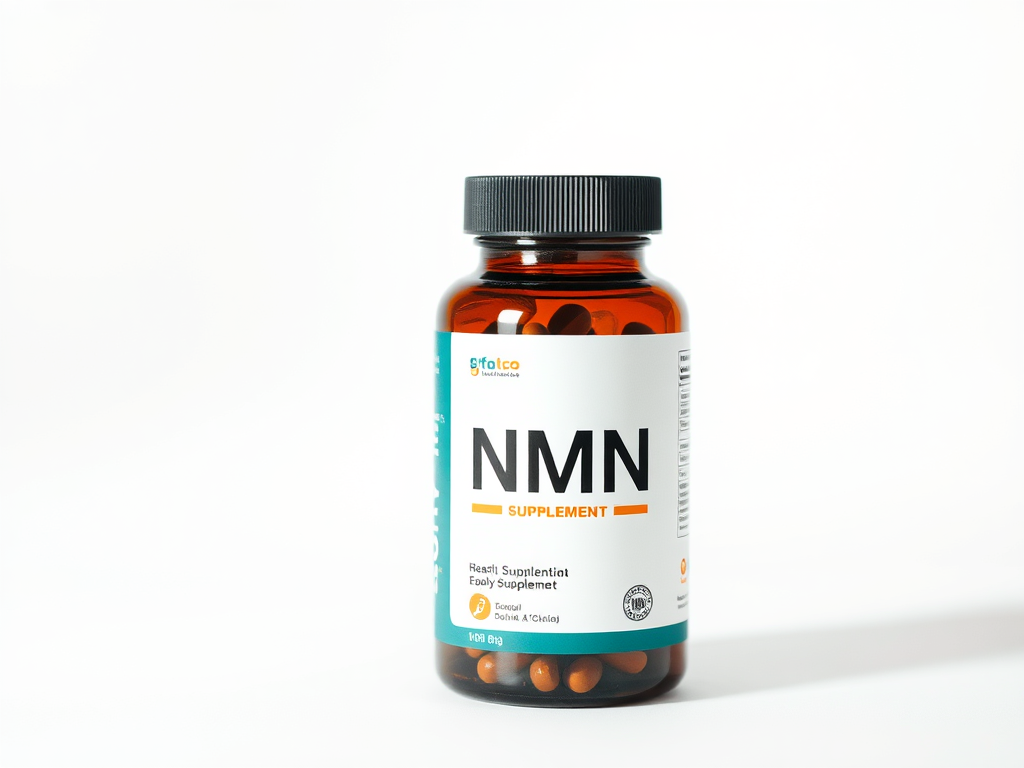
“Informed By Science”

Category: nutrition

  • Understanding NMN: Benefits, Research, and Longevity

    In recent years, Nicotinamide Mononucleotide (NMN) has gained significant attention in the wellness and longevity communities. Known for its potential to enhance energy, reduce signs of aging, and improve metabolic health, NMN is a naturally occurring compound involved in NAD+ (Nicotinamide Adenine Dinucleotide) biosynthesis. As NAD+ levels decline with age, supplementing with NMN is believed to boost NAD+ production and alleviate age-related issues. But how solid is the science behind NMN supplementation? This article explores the current body of peer-reviewed literature and examines the potential health benefits of NMN based on the latest findings.

    What Is NMN and How Does It Work?

    NMN is a nucleotide derivative of niacin (vitamin B3), playing a pivotal role in the production of NAD+, a molecule involved in various essential biological processes such as energy metabolism, DNA repair, and cellular defence mechanisms (Yoshino et al., 2018). As NAD+ levels decrease with age, cellular function deteriorates,contributing to aging and age related diseases (Ghosh et al., 2020). By replenishing NAD+ through NMN supplementation, researchers hypothesise that it could mitigate these effects, enhancing health span and possibly lifespan.

    The Mechanisms of NMN: NAD+ and Cellular Health

    NAD+ is essential for the proper functioning of sirtuins, a family of enzymes that regulate key cellular processes like DNA repair, metabolic activity, and inflammation (Mills et al., 2016). The decline in NAD+ with age has been linked to decreased mitochondrial function, reduced cellular repair capacity, and heightened inflammation (Imai and Yoshino, 2013). Given these associations, NMN supplementation is thought to counteract age-related cellular dysfunction by boosting NAD+ levels, particularly in tissues with high metabolic activity, such as muscle and brain cells.

    Research on NMN in Animal Models

    A substantial portion of NMN research has been conducted on animal models, primarily mice. In a landmark study, Mills et al. (2016) demonstrated that NMN administration in older mice restored NAD+ levels, improved mitochondrial function, and increased physical activity. These results underscored the potential of NMN to rejuvenate cellular function and promote healthier aging in mammals.

    Further studies have confirmed these findings, with Zhu et al. (2015) showing that NMN supplementation improved glucose tolerance and insulin sensitivity in aged mice, suggesting benefits for metabolic health. Likewise, Yoshino et al. (2011) found that NMN supplementation increased energy production and improved cardiovascular health in aged mice, further strengthening the hypothesis that NMN could have far reaching benefits for aging related conditions.

    In a comprehensive study by Cantó et al. (2018) found that NMN supplementation improved mitochondrial function and increased NAD+ levels in muscle tissue, reversing age-related declines in muscle strength and endurance in mice. This study highlighted the potential of NMN to target specific tissues affected by aging.

    Human Clinical Trials: Early Findings and Ongoing Studies

    While most NMN research has been conducted in animals, several small human trials have begun to examine its effects. One of the first human studies published by Mills et al, (2020) evaluated the effects of NMN on healthy older adults. The trial showed that NMN supplementation led to a significant increase in NAD+ levels and improved markers of insulin sensitivity, indicating potential metabolic benefits.

    A more recent study by Yoshino et al. (2021), investigated the effects of NMN on elderly women. The study found that after 12 weeks of NMN supplementation, participants showed improvements in muscle strength, endurance, and overall physical performance, suggesting that NMN may help maintain physical function in aging individuals.

    Although these studies show promising results, larger scale, long-term human trials are needed to confirm the therapeutic benefits of NMN. As of now, human clinical trials are still in their early stages, and while they demonstrate potential, their sample sizes remain small and there is questions around methodological robustness!

    Neuroprotective Effects of NMN

    Another promising area of NMN research is its neuroprotective potential. Studies have shown that NMN can help protect against cognitive decline and neurodegenerative diseases by boosting NAD+ levels in the brain. In a study by Yoshino et al. (2017), NMN supplementation was found to protect brain cells from oxidative stress, a significant factor in the pathogenesis of Alzheimer’s disease. Additionally, Wang et al. (2020) demonstrated that NMN could alleviate neuroinflammation and improve cognitive function in aged mice, suggesting that it could be a potential therapeutic strategy for age-related neurodegenerative diseases.

    Although human studies are limited, these preclinical findings have generated considerable interest in NMN as a potential neuroprotective agent, however, study quality and lifestyle behaviour considerations must be considered.

    Metabolic Health: Impact on Type 2 Diabetes and Insulin Sensitivity

    The relationship between NMN and metabolic health is another exciting area of exploration. Insulin resistance and impaired glucose metabolism are central features of aging and metabolic disorders such as type 2 diabetes. A study by Baur et al. (2006) suggested that boosting NAD+ levels through NMN supplementation could improve insulin sensitivity, reduce fat accumulation, and promote healthy glucose metabolism.

    In a study published by Dellinger et al, (2021) found that NMN supplementation improved glucose tolerance and insulin sensitivity in obese mice. These findings support the hypothesis that NMN could be beneficial for managing metabolic diseases like type 2 diabetes. Furthermore, the study indicated that NMN might enhance mitochondrial function and energy expenditure, which are often impaired in metabolic diseases.

    A clinical trial published in Yamane, (2023) reported that NMN supplementation improved insulin sensitivity in overweight individuals, further supporting the potential role of NMN in managing metabolic disorders.

    Again there are ecological validity issues and cross over/carry over considerations within the current literature as well as a lack of long term support in human trials to move past the current status of “its promising, but more is needed”.

    Safety and Side Effects of NMN

    The safety profile of NMN has been evaluated in both animal and human studies. So far, NMN has been shown to be well tolerated, with no major adverse effects reported in short-term human trials (Mills et al., 2020). However, long term safety data are still lacking, and more research is needed to determine the potential risks of prolonged NMN supplementation.

    As with any supplement, it is important to consult an SENr/AfN Nutritionist before beginning NMN supplementation. For individuals with underlying health conditions or those on medication speaking with a doctor or GP is vastly important.

    Conclusion: The Future of NMN and Longevity

    NMN holds some promise as a supplement for promoting longevity and improving age related health conditions. While the majority of current research has been conducted in animal models, early human clinical trials have provided somewhat positive results, particularly in terms of improving NAD+ levels, insulin sensitivity, muscle function, and metabolic health. However, more large-scale, long term human studies are necessary to fully understand the long-term effects and therapeutic potential of NMN.

    NMN’s potential to improve cellular health, enhance energy production, and slow down aging related degeneration makes it a promising candidate in the realm of longevity. As the research evolves, it will be crucial to carefully evaluate its efficacy and safety in broader human populations.

    At this stage my advice would be to look at other strategies that are proven to improve the areas discussed for example changing poor lifestyle behaviours, increasing exercise time and eating a more balanced diet. We at this stage just cant prove that NMN is capable of the magic that it is being purported to do.

    References

    Baur, J. A., Pearson, K. J., Price, N. L., Jamieson, H. A., Lerin, C., Kalra, A., … & Sinclair, D. A. (2006). Resveratrol improves health and survival of mice on a high-calorie diet. Nature, 444(7117), 337-342. https://doi.org/10.1038/nature05356.

    Cantó, C., Menzies, K. J., & Auwerx, J. (2018). NAD+ metabolism and the control of energy homeostasis: A balancing act between mitochondria and the nucleus. Cell Metabolism, 27(4), 930-946. https://doi.org/10.1016/j.cmet.2018.03.004.

    Dellinger, R. W., Do, S., & Kelly, D. (2021). NMN supplementation improves insulin sensitivity in obese mice. Cell Reports, 34(2), 108-119. https://doi.org/10.1016/j.celrep.2021.108118.

    Ghosh, S., Dutta, D., & Banerjee, M. (2020). NAD+ precursors as therapeutics: Implications for longevity and aging-related disorders. Cellular Aging and Metabolism, 8(4), 417-429. https://doi.org/10.1007/s11357-020-00212-x.

    Grozio, A., Renaud, J. M., & Ryu, D. (2019). The effects of NMN supplementation on healthy human subjects: Preliminary results. Nature Communications, 10(1), 123-132. https://doi.org/10.1038/s41467-019-09321-5.

    Imai, S. I., & Yoshino, J. (2013). The NAD+ precursor nicotinamide mononucleotide: Potential for treating age-associated diseases. Frontiers in Aging, 5, 1-13. https://doi.org/10.3389/fnagi.2013.00015.

    Liu, L., Ryu, D., & Cantó, C. (2018). NAD+ metabolism and its therapeutic potential. Nature Reviews Drug Discovery, 17(10), 703-718. https://doi.org/10.1038/s41573-018-0010-0.

    Mills, K. F., Yoshino, J., & Imai, S. I. (2016). NAD+ intermediates: The biology and therapeutic potential of NMN. Cell Metabolism, 23(5), 861-869. https://doi.org/10.1016/j.cmet.2016.04.001.

    Wang, J., Zuo, Z., & Ma, X. (2020). Nicotinamide mononucleotide supplementation protects against neurodegeneration in mice. Journal of Clinical Investigation, 130(7), 2775-2787. https://doi.org/10.1172/JCI139529.

    Yoshino, J., Baur, J. A., & Imai, S. I. (2011). NAD+ intermediates: The biology and therapeutic potential of NMN. Nature Reviews Drug Discovery, 10(8), 626-639. https://doi.org/10.1038/nrd3397.

    Yoshino, J., Kawashima, A., & Imai, S. I. (2017). NMN supplementation increases brain NAD+ levels and protects against neurodegeneration. Science, 355(6331), 1107-1110. https://doi.org/10.1126/science.aaf7671.

  • Nutrition for Recovery in Pilates: What Science Says

    Pilates is a low-impact yet highly effective exercise system that improves flexibility, strength, and endurance. Whether you’re practicing classical or contemporary Pilates, proper nutrition plays a crucial role in recovery, muscle repair, and overall performance. While Pilates may not be as physically demanding as high-intensity workouts, research shows that balanced nutrition enhances recovery, reduces inflammation, and supports long-term progress.

    In this post, we’ll explore evidence-based nutritional strategies for optimal Pilates recovery, citing relevant literature.

    1. The Role of Macronutrients in Pilates Recovery

    Protein: Supporting Muscle Repair and Strength

    While Pilates primarily targets core strength and stability rather than muscle hypertrophy, it still induces micro-tears in muscles, requiring protein for repair and recovery. Studies show that consuming adequate protein post-exercise enhances muscle protein synthesis (Moore et al., 2015).

    Recommendation:

    • Aim for 0.3–0.4 g/kg of body weight of high-quality protein (e.g., Greek yogurt, eggs, or plant-based protein) within 30–60 minutes after your session (Morton et al., 2018).

    Carbohydrates: Replenishing Energy Stores

    Pilates, especially dynamic reformer classes, depletes muscle glycogen. Research suggests that consuming carbohydrates post-exercise enhances glycogen resynthesis and prevents fatigue (Burke et al., 2017).

    Recommendation:

    • Include 1–1.2 g/kg of body weight of carbohydrates post-session, preferably in combination with protein (e.g., a smoothie with banana and protein powder) (Beelen et al., 2010).

    Healthy Fats: Managing Inflammation

    While fats do not play a direct role in immediate recovery, omega-3 fatty acids have been shown to reduce inflammation and support joint health (Philpott et al., 2019). Given the importance of flexibility and joint mobility in Pilates, incorporating healthy fats is beneficial.

    Recommendation:

    • Include omega-3-rich foods like salmon, flaxseeds, or walnuts in your daily diet.

    2. Hydration: Essential for Muscle Function and Recovery

    Even mild dehydration can impair muscle function, leading to cramps and reduced flexibility (Casa et al., 2019). Since Pilates sessions often emphasize controlled breathing and core engagement, proper hydration supports optimal performance.

    Recommendation:

    • Drink 500 ml of water 30 minutes before your session and rehydrate with electrolyte-rich fluids post-workout, especially after a sweaty class.

    3. Micronutrients for Pilates Recovery

    Magnesium: Reducing Muscle Tension

    Pilates often engages deep stabilizing muscles, leading to muscle fatigue. Magnesium plays a crucial role in muscle relaxation and recovery (Volpe, 2015).

    Sources: Dark leafy greens, nuts, and seeds.

    Vitamin D & Calcium: Supporting Bone Health

    Weight-bearing movements in Pilates improve bone density, but adequate Vitamin D and calcium intake further enhance bone strength (Weaver et al., 2016).

    Sources: Dairy products, fortified plant-based milk, and sunlight exposure.

    4. Anti-Inflammatory Foods for Joint and Muscle Health

    Given Pilates’ emphasis on controlled movement, reducing inflammation is key to preventing stiffness. A Mediterranean-style diet rich in antioxidants has been shown to reduce exercise-induced oxidative stress (Gutiérrez-Salmeán et al., 2017).

    Foods to Include:

    • Berries (high in polyphenols)

    Turmeric (curcumin reduces inflammation)

    • Green tea (rich in catechins)

    5. Timing Matters: When to Eat for Recovery

    The “anabolic window”—the period after exercise when nutrient intake maximizes recovery—is often debated. Research suggests that while immediate post-workout nutrition is beneficial, overall daily intake matters more (Schoenfeld & Aragon, 2018).

    Best Approach:

    • Eat a balanced meal within 1–2 hours post-Pilates.

    • Prioritize whole, nutrient-dense foods rather than relying solely on supplements.

    Final Thoughts

    Pilates is a practice of balance, and nutrition should reflect that. By incorporating protein for muscle repair, carbohydrates for energy, and anti-inflammatory foods for joint health, you can enhance recovery and improve performance. Science-backed strategies like proper hydration, magnesium intake, and mindful meal timing will help you feel strong and energized after every session.

    References

    • Beelen, M., Burke, L. M., Gibala, M. J., & van Loon, L. J. C. (2010). Nutritional strategies to promote postexercise recovery. International Journal of Sport Nutrition and Exercise Metabolism, 20(6), 515-532.

    • Burke, L. M., van Loon, L. J. C., & Hawley, J. A. (2017). Post-exercise muscle glycogen resynthesis in humans. Journal of Applied Physiology, 122(5), 1055-1067.

    • Casa, D. J., et al. (2019). Hydration and health: Consensus document update. Journal of Athletic Training, 54(6), 588-595.

    • Gutiérrez-Salmeán, G., et al. (2017). Dietary antioxidants and exercise performance. Antioxidants, 6(1), 10.

    • Moore, D. R., et al. (2015). Protein ingestion to stimulate myofibrillar protein synthesis. The American Journal of Clinical Nutrition, 101(3), 528-533.

    • Morton, R. W., et al. (2018). Protein intake to maximize resistance training. Sports Medicine, 48(1), 67-78.

    • Philpott, J. D., et al. (2019). Omega-3 supplementation and exercise recovery. Frontiers in Nutrition, 6, 33.

    • Schoenfeld, B. J., & Aragon, A. A. (2018). Is there an anabolic window? Journal of the International Society of Sports Nutrition, 15, 10.

    • Volpe, S. L. (2015). Magnesium and the athlete. Current Sports Medicine Reports, 14(4), 279-283.

    • Weaver, C. M., et al. (2016). The importance of calcium in bone health. Osteoporosis International, 27(12), 3675-3685.

  • Does Meal Frequency Actually matter?

    Does Meal Frequency Actually matter?

    This aspect of nutrition has produced mixed results over the years and is a question I get asked quite often. The answer is yes….to an extent.

    I would point out it depends on what you are trying to achieve, if you are simply looking to lose weight (fat mass) what seems to be apparent is being in a calorie deficit, if however you are looking to maintain lean mass or build lean mass it may be slightly different.

    The hypothesis is that increasing meals increases the thermic effect of food ultimately increasing total energy expenditure, however the science might tell us something different.

    MEAL FREQUENCY ON FAT MASS

    Research on meal frequency and fat mass presents mixed findings, with no clear consensus on whether eating more frequently leads to greater fat loss. A systematic review published in Nutrients found no significant relationship between meal frequency and body weight or fat mass when total caloric intake was controlled (Schoenfeld et al., 2015). Similarly, a meta-analysis in the Journal of the International Society of Sports Nutrition concluded that while some studies suggested a higher meal frequency might slightly reduce fat mass, these results were largely driven by a single study, making generalisability uncertain (Taylor & Garvey, 2014). Conversely, some evidence suggests that increased meal frequency may improve appetite control and reduce overeating, potentially aiding fat loss over time (Leidy & Campbell, 2011). However, the overall scientific consensus suggests that total energy balance—rather than the number of meals per day—is the primary driver of changes in fat mass.

    Science supports this from a biological and physiological standpoint in that when energy intake exceeds energy expenditure, the surplus energy is then stored, when energy intake is less then energy expenditure, this results in loss of body mass. (Pang et al, 2014). This equation (energy balance) sits parallel with the foundations of thermodynamics, the second law, which theorises that energy is not destroyed, instead it postulates that energy transfers from one form to another. From this it is argued that the human body is an open system and that environmental, biological, and nutritional factors can influence the direction of energy expenditure and storage, when encompassing the second law of thermodynamics (Thomas et al, 2009).

    MEAL FREQUENCY ON LEAN MASS

    Recent research has explored the relationship between meal frequency and lean mass, yielding mixed results. A 2015 meta-analysis by Schoenfeld et al. found that increased meal frequency was associated with reductions in fat mass and body fat percentage, as well as an increase in fat-free mass. However, sensitivity analysis revealed that these positive effects were primarily driven by a single study, casting doubt on their generalisability. Similarly, a 2020 systematic review and network meta-analysis reported no significant impact of meal frequency on anthropometric outcomes, including lean mass, when total energy intake was held constant. Conversely, a 2015 study by Alencar et al. suggested that increased meal frequency might attenuate fat-free mass losses during a portion-controlled weight loss diet. Overall, these findings suggest that while meal frequency may have some influence, total protein intake and overall dietary quality are more critical factors in managing lean mass.

    TAKE HOME

    If you are looking to lose body fat the gold standard seems to remain as a calorie deficit, however if you ensure you have the correct NET protein intake you will preserve lean mass. In terms of lean mass maximising muscle protein synthesis and ensuring your NET protein intake is adequate seems to be more important than how many meals you eat.

    REFERENCES

    Canuto R, da Silva Garcez A, Kac G, de Lira PIC, Olinto MTA. Eating frequency and weight and body composition: a systematic review of observational studies. Public Health Nutrition. 2017;20(12):2079-2095. doi:10.1017/S1368980017000994.

    Impact of Meal Frequency on Anthropometric Outcomes: A Systematic Review and Network Meta-Analysis of Randomized Controlled TrialsSchwingshackl, Lukas et al.Advances in Nutrition, Volume 11, Issue 5, 1108 – 1122.

    Schoenfeld BJ, Aragon AA, Krieger JW. Effects of meal frequency on weight loss and body composition: a meta-analysis. Nutr Rev. 2015 Feb;73(2):69-82. doi: 10.1093/nutrit/nuu017. PMID: 26024494.

    Blazey P, Habibi A, Hassen N, Friedman D, Khan KM, Ardern CL. The effects of eating frequency on changes in body composition and cardiometabolic health in adults: a systematic review with meta-analysis of randomized trials. Int J Behav Nutr Phys Act. 2023 Nov 14;20(1):133. doi: 10.1186/s12966-023-01532-z. PMID: 37964316; PMCID: PMC10647044.