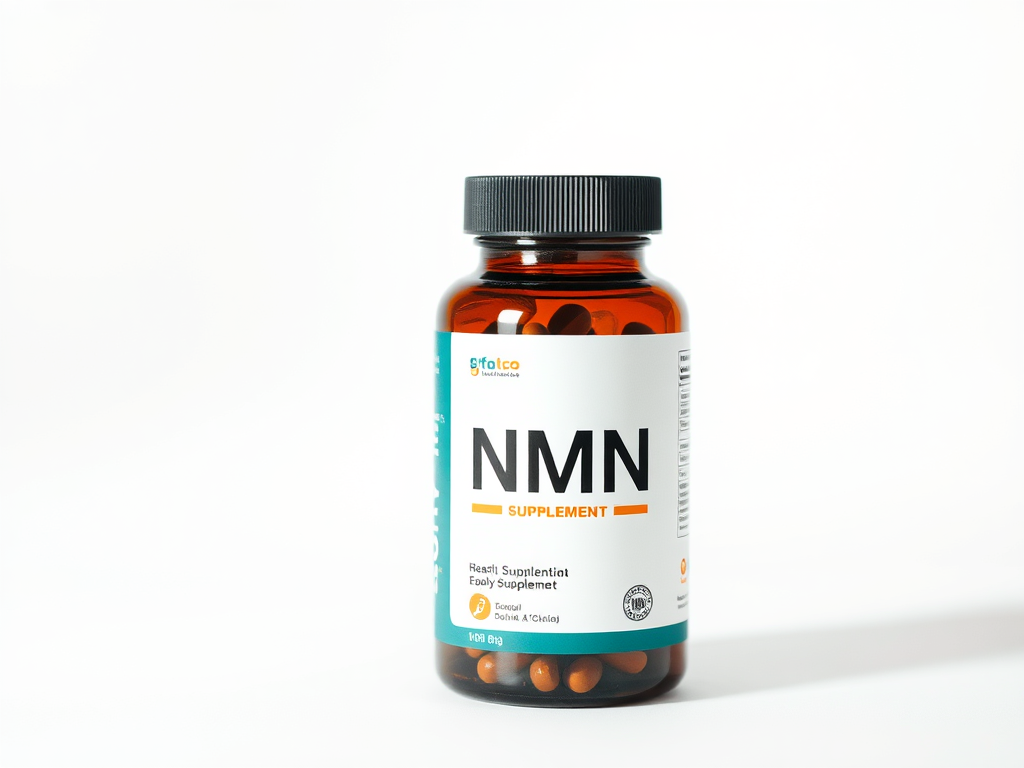
In recent years, Nicotinamide Mononucleotide (NMN) has gained significant attention in the wellness and longevity communities. Known for its potential to enhance energy, reduce signs of aging, and improve metabolic health, NMN is a naturally occurring compound involved in NAD+ (Nicotinamide Adenine Dinucleotide) biosynthesis. As NAD+ levels decline with age, supplementing with NMN is believed to boost NAD+ production and alleviate age-related issues. But how solid is the science behind NMN supplementation? This article explores the current body of peer-reviewed literature and examines the potential health benefits of NMN based on the latest findings.
What Is NMN and How Does It Work?
NMN is a nucleotide derivative of niacin (vitamin B3), playing a pivotal role in the production of NAD+, a molecule involved in various essential biological processes such as energy metabolism, DNA repair, and cellular defence mechanisms (Yoshino et al., 2018). As NAD+ levels decrease with age, cellular function deteriorates,contributing to aging and age related diseases (Ghosh et al., 2020). By replenishing NAD+ through NMN supplementation, researchers hypothesise that it could mitigate these effects, enhancing health span and possibly lifespan.
The Mechanisms of NMN: NAD+ and Cellular Health
NAD+ is essential for the proper functioning of sirtuins, a family of enzymes that regulate key cellular processes like DNA repair, metabolic activity, and inflammation (Mills et al., 2016). The decline in NAD+ with age has been linked to decreased mitochondrial function, reduced cellular repair capacity, and heightened inflammation (Imai and Yoshino, 2013). Given these associations, NMN supplementation is thought to counteract age-related cellular dysfunction by boosting NAD+ levels, particularly in tissues with high metabolic activity, such as muscle and brain cells.
Research on NMN in Animal Models
A substantial portion of NMN research has been conducted on animal models, primarily mice. In a landmark study, Mills et al. (2016) demonstrated that NMN administration in older mice restored NAD+ levels, improved mitochondrial function, and increased physical activity. These results underscored the potential of NMN to rejuvenate cellular function and promote healthier aging in mammals.
Further studies have confirmed these findings, with Zhu et al. (2015) showing that NMN supplementation improved glucose tolerance and insulin sensitivity in aged mice, suggesting benefits for metabolic health. Likewise, Yoshino et al. (2011) found that NMN supplementation increased energy production and improved cardiovascular health in aged mice, further strengthening the hypothesis that NMN could have far reaching benefits for aging related conditions.
In a comprehensive study by Cantó et al. (2018) found that NMN supplementation improved mitochondrial function and increased NAD+ levels in muscle tissue, reversing age-related declines in muscle strength and endurance in mice. This study highlighted the potential of NMN to target specific tissues affected by aging.
Human Clinical Trials: Early Findings and Ongoing Studies
While most NMN research has been conducted in animals, several small human trials have begun to examine its effects. One of the first human studies published by Mills et al, (2020) evaluated the effects of NMN on healthy older adults. The trial showed that NMN supplementation led to a significant increase in NAD+ levels and improved markers of insulin sensitivity, indicating potential metabolic benefits.
A more recent study by Yoshino et al. (2021), investigated the effects of NMN on elderly women. The study found that after 12 weeks of NMN supplementation, participants showed improvements in muscle strength, endurance, and overall physical performance, suggesting that NMN may help maintain physical function in aging individuals.
Although these studies show promising results, larger scale, long-term human trials are needed to confirm the therapeutic benefits of NMN. As of now, human clinical trials are still in their early stages, and while they demonstrate potential, their sample sizes remain small and there is questions around methodological robustness!
Neuroprotective Effects of NMN
Another promising area of NMN research is its neuroprotective potential. Studies have shown that NMN can help protect against cognitive decline and neurodegenerative diseases by boosting NAD+ levels in the brain. In a study by Yoshino et al. (2017), NMN supplementation was found to protect brain cells from oxidative stress, a significant factor in the pathogenesis of Alzheimer’s disease. Additionally, Wang et al. (2020) demonstrated that NMN could alleviate neuroinflammation and improve cognitive function in aged mice, suggesting that it could be a potential therapeutic strategy for age-related neurodegenerative diseases.
Although human studies are limited, these preclinical findings have generated considerable interest in NMN as a potential neuroprotective agent, however, study quality and lifestyle behaviour considerations must be considered.
Metabolic Health: Impact on Type 2 Diabetes and Insulin Sensitivity
The relationship between NMN and metabolic health is another exciting area of exploration. Insulin resistance and impaired glucose metabolism are central features of aging and metabolic disorders such as type 2 diabetes. A study by Baur et al. (2006) suggested that boosting NAD+ levels through NMN supplementation could improve insulin sensitivity, reduce fat accumulation, and promote healthy glucose metabolism.
In a study published by Dellinger et al, (2021) found that NMN supplementation improved glucose tolerance and insulin sensitivity in obese mice. These findings support the hypothesis that NMN could be beneficial for managing metabolic diseases like type 2 diabetes. Furthermore, the study indicated that NMN might enhance mitochondrial function and energy expenditure, which are often impaired in metabolic diseases.
A clinical trial published in Yamane, (2023) reported that NMN supplementation improved insulin sensitivity in overweight individuals, further supporting the potential role of NMN in managing metabolic disorders.
Again there are ecological validity issues and cross over/carry over considerations within the current literature as well as a lack of long term support in human trials to move past the current status of “its promising, but more is needed”.
Safety and Side Effects of NMN
The safety profile of NMN has been evaluated in both animal and human studies. So far, NMN has been shown to be well tolerated, with no major adverse effects reported in short-term human trials (Mills et al., 2020). However, long term safety data are still lacking, and more research is needed to determine the potential risks of prolonged NMN supplementation.
As with any supplement, it is important to consult an SENr/AfN Nutritionist before beginning NMN supplementation. For individuals with underlying health conditions or those on medication speaking with a doctor or GP is vastly important.
Conclusion: The Future of NMN and Longevity
NMN holds some promise as a supplement for promoting longevity and improving age related health conditions. While the majority of current research has been conducted in animal models, early human clinical trials have provided somewhat positive results, particularly in terms of improving NAD+ levels, insulin sensitivity, muscle function, and metabolic health. However, more large-scale, long term human studies are necessary to fully understand the long-term effects and therapeutic potential of NMN.
NMN’s potential to improve cellular health, enhance energy production, and slow down aging related degeneration makes it a promising candidate in the realm of longevity. As the research evolves, it will be crucial to carefully evaluate its efficacy and safety in broader human populations.
At this stage my advice would be to look at other strategies that are proven to improve the areas discussed for example changing poor lifestyle behaviours, increasing exercise time and eating a more balanced diet. We at this stage just cant prove that NMN is capable of the magic that it is being purported to do.
References
Baur, J. A., Pearson, K. J., Price, N. L., Jamieson, H. A., Lerin, C., Kalra, A., … & Sinclair, D. A. (2006). Resveratrol improves health and survival of mice on a high-calorie diet. Nature, 444(7117), 337-342. https://doi.org/10.1038/nature05356.
Cantó, C., Menzies, K. J., & Auwerx, J. (2018). NAD+ metabolism and the control of energy homeostasis: A balancing act between mitochondria and the nucleus. Cell Metabolism, 27(4), 930-946. https://doi.org/10.1016/j.cmet.2018.03.004.
Dellinger, R. W., Do, S., & Kelly, D. (2021). NMN supplementation improves insulin sensitivity in obese mice. Cell Reports, 34(2), 108-119. https://doi.org/10.1016/j.celrep.2021.108118.
Ghosh, S., Dutta, D., & Banerjee, M. (2020). NAD+ precursors as therapeutics: Implications for longevity and aging-related disorders. Cellular Aging and Metabolism, 8(4), 417-429. https://doi.org/10.1007/s11357-020-00212-x.
Grozio, A., Renaud, J. M., & Ryu, D. (2019). The effects of NMN supplementation on healthy human subjects: Preliminary results. Nature Communications, 10(1), 123-132. https://doi.org/10.1038/s41467-019-09321-5.
Imai, S. I., & Yoshino, J. (2013). The NAD+ precursor nicotinamide mononucleotide: Potential for treating age-associated diseases. Frontiers in Aging, 5, 1-13. https://doi.org/10.3389/fnagi.2013.00015.
Liu, L., Ryu, D., & Cantó, C. (2018). NAD+ metabolism and its therapeutic potential. Nature Reviews Drug Discovery, 17(10), 703-718. https://doi.org/10.1038/s41573-018-0010-0.
Mills, K. F., Yoshino, J., & Imai, S. I. (2016). NAD+ intermediates: The biology and therapeutic potential of NMN. Cell Metabolism, 23(5), 861-869. https://doi.org/10.1016/j.cmet.2016.04.001.
Wang, J., Zuo, Z., & Ma, X. (2020). Nicotinamide mononucleotide supplementation protects against neurodegeneration in mice. Journal of Clinical Investigation, 130(7), 2775-2787. https://doi.org/10.1172/JCI139529.
Yoshino, J., Baur, J. A., & Imai, S. I. (2011). NAD+ intermediates: The biology and therapeutic potential of NMN. Nature Reviews Drug Discovery, 10(8), 626-639. https://doi.org/10.1038/nrd3397.
Yoshino, J., Kawashima, A., & Imai, S. I. (2017). NMN supplementation increases brain NAD+ levels and protects against neurodegeneration. Science, 355(6331), 1107-1110. https://doi.org/10.1126/science.aaf7671.
 CC_Nutrition