
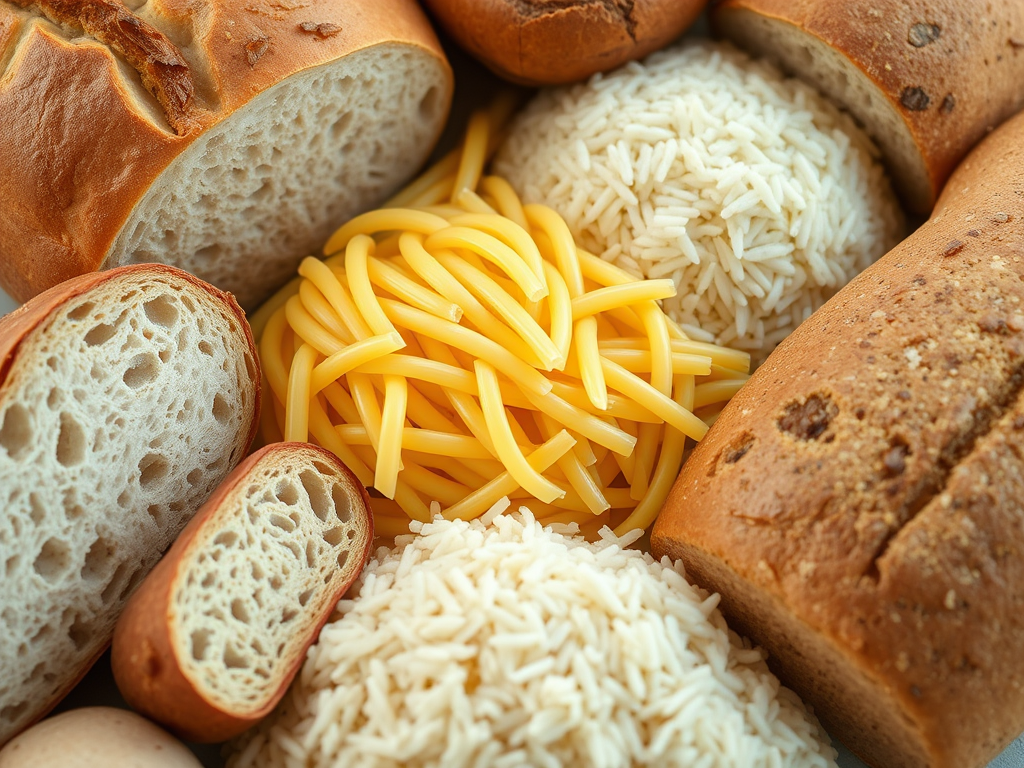
I get asked quite often “if I need carbohydrates, how come when I just eat fat and protein I can still function?”
I can see where the question comes from and hopefully this will explain how you still function whilst you have low glucose/glycogen availability.
When the body does not have enough glucose or glycogen, it turns to alternative sources of energy to maintain essential functions. Here’s how it adapts:
1. Gluconeogenesis (Converting Non-Carbohydrates to Glucose)
The body can produce glucose from non-carbohydrate sources through a process called gluconeogenesis, primarily in the liver (and to a lesser extent, the kidneys). The key substrates for gluconeogenesis include:
- Amino Acids (from Protein Breakdown):
- If glucose is scarce, the body starts breaking down muscle protein into amino acids like alanine and glutamine, which are then converted into glucose.
- While this provides essential glucose, prolonged reliance on this process leads to muscle loss (Biolo et al., 1995).
- Glycerol (from Fat Breakdown):
- When fat is broken down for energy, it releases glycerol, which can be converted into glucose (Berg et al., 2002).
- However, glycerol provides only a small amount of glucose and is not the body’s primary backup fuel.
- Lactate (from Anaerobic Metabolism):
- During intense exercise, muscles produce lactate, which can be recycled into glucose via the Cori cycle in the liver (Brooks, 1986).
2. Ketogenesis (Using Fats for Energy)
If carbohydrate stores are extremely low (such as during prolonged fasting, low-carb diets, or starvation), the body shifts to burning fat for energy. This process, called ketogenesis, occurs in the liver and produces ketone bodies, including:
- Beta-hydroxybutyrate (BHB)
- Acetoacetate
- Acetone
Ketones serve as an alternative fuel for the brain, muscles, and other tissues, reducing the reliance on glucose. This adaptation is the basis of ketogenic diets (Cahill & Owen, 1968).
3. Fat Oxidation (Using Fatty Acids for Energy)
Most tissues (except the brain and red blood cells) can use fatty acids directly for energy through beta-oxidation in the mitochondria. However, fatty acids cannot be converted into glucose, which is why the body still needs some glucose production from protein and glycerol (Havel, 2005).
Conclusion: The Body’s Adaptation to Low Glucose
- Short-term (hours to a day) → Uses glycogen stores.
- Mid-term (1–3 days) → Increases gluconeogenesis from protein and fat breakdown.
- Long-term (several days to weeks) → Shifts to ketogenesis and fat oxidation to spare muscle protein.
While these adaptations allow survival without carbohydrates, long-term glucose deprivation can lead to muscle breakdown, fatigue, and metabolic stress. Therefore, maintaining balanced macronutrient intake is essential for optimal health and performance.
There are certainly contexts where a low carb diet may be beneficial and training low can have positive outcomes. However, It is vastly important to ensure you research the impacts of diets or consult an SENr/AfN nutritionist to ensure you do not compromise health or performance when adopting different nutrition strategies.
References
Biolo, G., Fleming, R.Y.D., Maggi, S.P. and Wolfe, R.R., 1995. Nitrogen balance and protein turnover in humans. The American Journal of Physiology, 268(4), pp. E761-E767.
Berg, J.M., Tymoczko, J.L. and Stryer, L., 2002. Gluconeogenesis and glycolysis are reciprocally regulated. In Biochemistry (5th ed.). W.H. Freeman.
Brooks, G.A., 1986. The lactate shuttle during exercise and recovery. Medicine and Science in Sports and Exercise, 18(3), pp. 360-368.
Cahill, G.F. and Owen, O.E., 1968. Starvation and survival. Harvard University Press.
Havel, P.J., 2005. Control of energy homeostasis and insulin action by adipocyte hormones: Leptin, acylation stimulating protein, and adiponectin. Current Opinion in Lipidology, 16(3), pp. 233-239.








 CC_Nutrition