
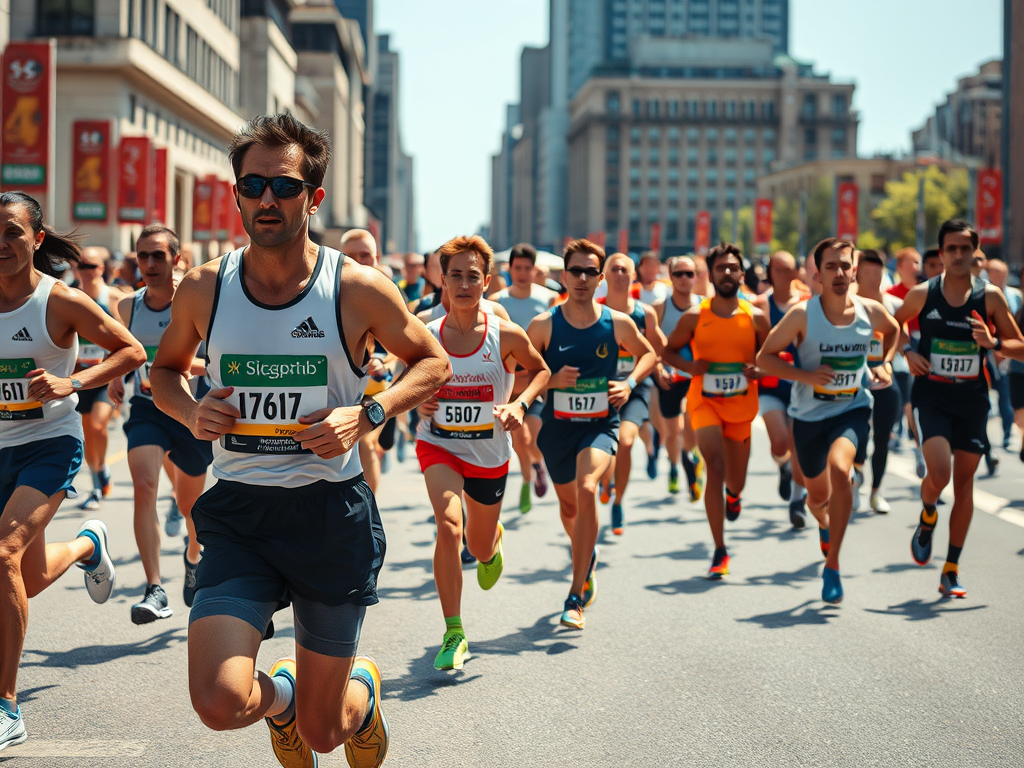
Running a marathon is as much a nutritional challenge as it is a physical one. Whether you’re a first-time runner or a seasoned athlete, your ability to complete 26.2 miles strongly depends on your nutrition before, during, and after the event. Scientific evidence supports targeted strategies like carbohydrate loading, glycogen sparing, optimal hydration, and post-race recovery to enhance performance and reduce fatigue. Here’s how to fuel your body like a pro.
1. Carbohydrate Loading: Topping Up Glycogen Stores
Carbohydrate loading is a well-established strategy used by endurance athletes to maximise glycogen storage in muscles. Glycogen is the primary fuel for prolonged moderate-to-high intensity exercise, and depletion is closely associated with fatigue and “hitting the wall” (Burke et al., 2011).
Traditionally, athletes would taper their training while increasing carbohydrate intake to 8–12 g/kg of body weight per day in the final 2–3 days before the race (Jeukendrup & Killer, 2010). This method has been shown to improve time to exhaustion and performance in events lasting longer than 90 minutes.
Practical tip: A 70 kg runner should aim for around 560–840g of carbohydrates per day in the 48 hours before the race. Choose high-GI foods like white rice, pasta, bananas, and sports drinks to maximise uptake.
High-carb meal plan examples:
- Breakfast: 2 large bagels with honey, banana, glass of orange juice (approx. 120g carbs)
- Lunch: White pasta with tomato sauce and lean chicken, 2 slices of garlic bread, fruit smoothie (approx. 150g carbs)
- Snacks: Rice cakes with jam, energy bars, dried mango
- Dinner: Basmati rice with sweet potato curry, naan bread, apple crumble with custard (approx. 180g carbs)
2. Glycogen Sparing: Training and Fueling Smarter
Glycogen sparing refers to the body’s ability to delay the use of glycogen by increasing the use of fat as a fuel source. Training adaptations such as long runs at a lower intensity, fasted-state training, and incorporating medium-chain triglycerides (MCTs) have been explored to encourage this shift (Spriet, 2014).
While some athletes use “train low” strategies (training with low carbohydrate availability), this should be approached with caution, as performance benefits are mixed and it may impair high-intensity training capacity (Impey et al., 2016).
Practical tip: Including some lower-carb, aerobic base runs in your training plan may help improve fat oxidation capacity—but don’t sacrifice carbs during race week or high-intensity sessions.
Food tips for fat-adapted sessions:
- Train in the morning before breakfast (fasted cardio)
- Small pre-run coffee (caffeine enhances fat oxidation—Spriet, 2014)
- Post-run meal should include balanced carbs and protein: e.g. scrambled eggs, oats with berries, Greek yogurt.
3. Race Day Nutrition: Fuelling Every Mile
Pre-Race Breakfast (2.5–3 hours before)
Should be high-carb, low-fat, moderate protein, and low in fibre.
Examples:
- 2 slices of white toast with jam + banana + isotonic sports drink (60–80g carbs)
- Porridge made with milk + honey + raisins + small coffee
- White rice with scrambled eggs and soy sauce (for savoury eaters)
Avoid: High-fat meals (e.g. bacon, croissants), high-fibre cereals (e.g. bran flakes), or spicy foods.
4. During the Race: Carbohydrate and Fluid Strategies
To maintain blood glucose and delay fatigue, carbohydrate intake during the marathon is crucial. The recommended intake is 30–60g of carbohydrates per hour, and up to 90g/hour may be tolerated when multiple transportable carbohydrates (e.g., glucose + fructose) are consumed (Jeukendrup, 2014).
Hydration is equally important. Dehydration exceeding 2% of body weight can impair performance, but overhydration may cause hyponatremia. The goal is to drink to thirst, ideally using sports drinks that supply both carbohydrates and electrolytes (Sawka et al., 2007).
Strategy:
- Start hydrated (urine should be pale yellow pre-race)
- Drink small sips at water stations
- Use electrolyte drinks if sweating heavily or conditions are hot
Drink examples:
- SIS GO Electrolyte
- Nuun tablets in 500ml water
- Coconut water with a pinch of salt and honey (DIY)
Practical tip: Use race rehearsals to test your nutrition strategy. Opt for gels, chews, or isotonic drinks that deliver glucose and electrolytes without causing GI distress.
5. Caffeine: A Legal Performance Booster
Caffeine is a well-supported ergogenic aid that can improve endurance performance by reducing perceived exertion and enhancing fat oxidation (Spriet, 2014). Doses of 3–6 mg/kg body weight, consumed ~60 minutes before exercise, are considered effective.
Food examples:
- 1 strong coffee (~100–150mg caffeine)
- Caffeinated gel (e.g. 75mg per gel – check label)
- Matcha green tea shot or caffeine tablets (with caution)
Practical tip: A 70 kg athlete may benefit from 210–420 mg of caffeine before or during the race—but individual tolerance varies, so trial it in training first. Caution: Too much may cause jitters or GI upset.
6. Post-Marathon Recovery: Rehydrate, Rebuild, Replenish
Recovery nutrition should focus on the three R’s:
- Rehydrate: Replace lost fluids with water and electrolytes.
- Replenish: Consume carbohydrates (~1.0–1.2 g/kg/hour for the first 4 hours) to restore glycogen.
- Rebuild: Include 20–25g of high-quality protein to stimulate muscle repair (Thomas et al., 2016).
Recovery meal/snack ideas:
Quick snack: Chocolate milk + flapjack or sports recovery bar
Smoothie: Banana, oats, whey protein, almond butter, milk (60g carbs, 25g protein)
Post-race meal: Chicken wrap with hummus + sweet potato fries + fruit yogurt
References
- Burke, L. M., Hawley, J. A., Wong, S. H. S., & Jeukendrup, A. E. (2011). Carbohydrates for training and competition. Journal of Sports Sciences, 29(sup1), S17–S27.
- Impey, S. G., Hearris, M. A., Hammond, K. M., Bartlett, J. D., Louis, J., Close, G. L., & Morton, J. P. (2016). Fuel for the work required: a theoretical framework for carbohydrate periodization and the glycogen threshold hypothesis. Sports Medicine, 48(5), 1031–1048.
- Jeukendrup, A. E., & Killer, S. C. (2010). The myths surrounding pre-exercise carbohydrate feeding. International Journal of Sport Nutrition and Exercise Metabolism, 20(1), 1–7.
- Jeukendrup, A. E. (2014). A step towards personalized sports nutrition: carbohydrate intake during exercise. Sports Medicine, 44(Suppl 1), S25–S33.
- Sawka, M. N., Burke, L. M., Eichner, E. R., Maughan, R. J., Montain, S. J., & Stachenfeld, N. S. (2007). American College of Sports Medicine position stand. Exercise and fluid replacement. Medicine & Science in Sports & Exercise, 39(2), 377–390.
- Spriet, L. L. (2014). Exercise and sport performance with low doses of caffeine. Sports Medicine, 44(2), 175–184.
- Thomas, D. T., Erdman, K. A., & Burke, L. M. (2016). Position of the Academy of Nutrition and Dietetics, Dietitians of Canada, and the American College of Sports Medicine: Nutrition and athletic performance. Journal of the Academy of Nutrition and Dietetics, 116(3), 501–528.
 CC_Nutrition