“Informed By Science”

Tag: performance

  • Behaviour Change and Nutrition: The Key to Consistency

    Whether you’re aiming to build muscle, lose fat, or enhance performance, your nutrition habits are just as important as your training program. But sticking to a diet plan whether it’s a bulking phase, a cutting cycle, or performance nutrition can be harder than hitting a heavy squat. The real challenge isn’t knowing what to eat; it’s changing your behaviour to make it happen consistently.

    This is where behaviour change science comes in. Grounded in psychology, behaviour change strategies can help gym goers, athletes and well honestly, anyone! overcome common barriers like poor planning, low motivation, and decision fatigue turning good intentions into real results.

    Why Motivation Alone Isn’t Enough

    You might start a new meal plan feeling motivated and ready. But motivation fluctuates. To stay consistent long-term, you need more than willpower you need systems and strategies.

    According to the COM-B model, behaviour is driven by three things: Capability, Opportunity, and Motivation (Michie et al., 2011). In a gym context, this might look like:

    Capability: Do you have the cooking skills and nutrition knowledge? Opportunity: Is your environment helping or hindering your eating goals? Motivation: Are you clear on why you’re doing this?

    Addressing all three areas sets you up for long-term adherence not just short-term compliance.

    Habit Formation and Meal Consistency

    For athletes and recreational lifters, habit formation is key. The Health Action Process Approach (HAPA) highlights the difference between intention and action. You might plan to prep meals or hit your macros but without planning, tracking, and adjusting, those intentions often fall flat (Schwarzer, 2008).

    Using tools like MyFitnessPal (or other apps), food scales, and prep routines helps build consistency. Research shows that self-monitoring—tracking what you eat—is one of the most powerful predictors of success in fat loss and muscle gain (Chen et al., 2023).

    Digital Tools for Diet Adherence

    A 2023 meta-analysis confirmed that using nutrition tracking apps significantly improves dietary behaviours and outcomes in people aiming to lose fat or gain lean mass (Chen et al., 2023). These tools don’t just count calories they give real-time feedback, help you spot trends, and reinforce accountability.

    Other behaviour change techniques (BCTs) proven to support gym-related goals include:

    SMART goal-setting (Specific, Measurable, Achievable, Relevant, Time-bound)

    If then planning (e.g., “If I get hungry post-workout, then I’ll have a protein shake”)

    Social support (training partners or online communities)

    Why Most Meal Plans Fail (And How to Fix It)

    Many people fall off their meal plans not because they’re “lazy” or “undisciplined,” but because their approach doesn’t match their lifestyle or values. According to the Theory of Planned Behaviour (TPB), intentions alone aren’t enough people must also believe they have control over their environment and the ability to follow through (Ajzen, 1991).

    That’s why environmental restructuring like prepping meals in advance, keeping snacks out of sight, or having protein options ready post-training is critical. Your environment should make the right choice the easy choice.

    The Bigger Picture: Stress, Sleep, and Social Support

    Behaviour change science also reminds us that diet doesn’t happen in isolation. Poor sleep, stress, or a lack of social support can derail even the best plan. The Science of Behavior Change (SOBC) program by NIH highlights how self-regulation, stress management, and habit loops can be modified to enhance results (NIH, 2023).

    In other words, you don’t need to grind harder you need to train smarter, eat smarter, and structure your environment and mindset for success.

    Conclusion

    If you’ve ever struggled to stay consistent with your nutrition while training hard, you’re not alone and you’re not lacking discipline. You’re just missing the behaviour change strategies that align your habits with your goals.

    By applying science-based models like COM-B, HAPA, and TPB, and using tools like tracking apps, habit systems, and structured planning, you can finally bridge the gap between training and nutrition and unlock your full potential in the gym.

    References

    Ajzen, I., 1991. The theory of planned behavior. Organizational Behavior and Human Decision Processes, 50(2), pp.179–211.

    Chen, J., Cade, J.E. and Allman-Farinelli, M., 2023. The effectiveness of nutrition apps in improving dietary behaviours and health outcomes: a systematic review and meta-analysis. Public Health Nutrition, 26(1), pp.1–12.

    Greaves, C.J., Sheppard, K.E., Abraham, C., Hardeman, W., Roden, M., Evans, P.H. and Schwarz, P., 2011. Systematic review of reviews of intervention components associated with increased effectiveness in dietary and physical activity interventions. BMC Public Health, 11(1), p.119.

    Lee, R.M., Fischer, C., Caballero, P., and Andersson, E., 2022. Behaviour change nutrition interventions and their effectiveness: a systematic review of global public health outcomes. PLOS Global Public Health, 2(9), p.e0000401.

    Michie, S., Atkins, L., and West, R., 2014. The Behaviour Change Wheel: A Guide to Designing Interventions. London: Silverback Publishing.

    Michie, S., van Stralen, M.M. and West, R., 2011. The behaviour change wheel: A new method for characterising and designing behaviour change interventions. Implementation Science, 6(1), p.42.

    NIH Common Fund, 2023. Science of Behavior Change (SOBC). [online] Available at: https://commonfund.nih.gov/science-behavior-change-sobc [Accessed 18 May 2025].

    Schwarzer, R., 2008. Modeling health behavior change: How to predict and modify the adoption and maintenance of health behaviors. Applied Psychology, 57(1), pp.1–29.

  • Citrulline Malate and Performance: The Science Behind the Pump

    By Chris Clayton, PhD, SENr, Performance Nutritionist.

    As a performance nutritionist, I’ve worked with athletes across disciplines—cycling, boxing, MMA, and football. One supplement I consistently see delivering results, especially in high-intensity and strength-focused training, is citrulline malate. Unlike many so-called “pre-workout” compounds, this one stands up to scrutiny. So let’s take a deep dive into what citrulline malate is, how it works, and what the science really says about its impact on performance.

    What Is Citrulline Malate?

    Citrulline malate is a combination of two compounds:

    L-Citrulline: A non-essential amino acid that’s a precursor to L-arginine. It’s more effective than direct arginine supplementation at boosting nitric oxide (NO) levels due to better absorption and bioavailability. Malate (Malic Acid): A key intermediate in the tricarboxylic acid (TCA) cycle, also known as the Krebs cycle, which plays a central role in energy production.

    Together, this combo supports both anaerobic and aerobic performance by enhancing blood flow, buffering fatigue, and improving energy efficiency.

    Mechanisms of Action: How It Works

    Here’s how citrulline malate contributes to performance:

    Nitric Oxide Boost via Arginine Pathway: Supplementing with citrulline increases plasma L-arginine and nitric oxide more effectively than arginine itself (Schwedhelm et al., 2008). Higher NO levels result in vasodilation, which increases oxygen and nutrient delivery to working muscles, improving endurance and reducing fatigue. Ammonia and Lactate Clearance: Citrulline helps detoxify ammonia through the urea cycle, delaying the onset of fatigue (Sureda et al., 2010). This is particularly important during high-volume resistance training or repeated sprint bouts. Enhanced ATP Production via Malate: Malate supports mitochondrial energy production. It facilitates the regeneration of NAD+, a coenzyme essential for ATP generation, especially under aerobic conditions.

    What the Research Says

    1. Strength and Resistance Training

    Pérez-Guisado & Jakeman (2010): In this double-blind, placebo-controlled study, 8g of citrulline malate taken 1 hour before upper-body resistance training significantly increased the number of repetitions completed (by ~52.92%) and reduced muscle soreness at 24 and 48 hours post-training. Wax et al. (2015): Male subjects performing leg resistance training saw improved repetitions and reduced fatigue when supplemented with 8g of citrulline malate. This confirmed earlier findings and suggested a strong role in muscular endurance.

    2. Endurance Performance

    Bailey et al. (2015): A 6g dose of citrulline increased plasma nitrate and nitrite, improved VO2 kinetics, and reduced oxygen cost during moderate-intensity cycling. This means athletes required less oxygen to perform the same amount of work—an efficiency gain that matters in endurance sports. Glenn et al. (2016): In this study on recreationally active males, a single 8g dose improved cycling time to exhaustion and reduced ratings of perceived exertion (RPE). Athletes felt they were working less hard to achieve the same output.

    3. Recovery and Muscle Soreness

    Gonzalez et al. (2018): Citrulline supplementation post-exercise improved blood flow and reduced delayed onset muscle soreness (DOMS), likely due to enhanced nutrient delivery and waste clearance during recovery phases.

    Practical Recommendations: How I Use It with Athletes

    Here’s how I typically program citrulline malate use:

    Dosage: 6–8g taken 30–60 minutes before training. This is the most evidence-backed range. Form: Powdered form is ideal, either standalone or in a pre-workout blend without excessive stimulants. Many commercial pre-workouts under-dose citrulline, so check labels carefully. Timing: Take on an empty stomach pre-training for better absorption. For high-volume training blocks or tournaments, some athletes use it daily for a more sustained effect on recovery. Cycling: While not strictly necessary, I may cycle usage (e.g., 5 days on, 2 days off) during off-season periods or lower training loads, simply to match need and avoid unnecessary supplementation.

    Safety and Side Effects

    Citrulline malate has a strong safety profile. No serious adverse effects have been reported at doses up to 10g per day. It’s stimulant-free, making it a good option for athletes training in the evening or those sensitive to caffeine. Minor side effects like stomach discomfort can occur in some people, particularly at higher doses, but these are rare.

    Final Thoughts

    From the lab to the gym floor, citrulline malate has earned its place as one of the few supplements that actually does what it claims. Whether you’re a strength athlete looking to grind out extra reps, a cyclist chasing improved endurance, or a combat sport athlete managing high training volumes, citrulline malate can offer a genuine performance boost.

    Just like any supplement, it works best when it’s built on a foundation of good nutrition, sleep, and recovery. But if you’re looking for a scientifically supported edge, this one’s worth considering.

    This is a good option that is informed sport so you can be sure it is free from banned substances

    Applied Nutrition Citrulline Malate 2:1

    Key References:

    Pérez-Guisado, J., & Jakeman, P. M. (2010). Citrulline malate enhances athletic anaerobic performance and relieves muscle soreness. Journal of Strength and Conditioning Research, 24(5), 1215–1222. Wax, B., et al. (2015). Effects of supplemental citrulline malate ingestion during repeated bouts of lower-body exercise. European Journal of Sport Science, 15(1), 45–52. Bailey, S. J., et al. (2015). Dietary nitrate supplementation reduces the O2 cost of low-intensity exercise and enhances tolerance to high-intensity exercise in humans. Journal of Applied Physiology, 107(4), 1144–1155. Glenn, J. M., et al. (2016). Acute citrulline malate supplementation improves cycling time trial performance in trained cyclists. Journal of Strength and Conditioning Research, 30(4), 1097–1103. Sureda, A., et al. (2010). L-Citrulline-malate influence over branched chain amino acid utilization during exercise. European Journal of Applied Physiology, 110(2), 341–351. Gonzalez, A. M., et al. (2018). Effects of citrulline supplementation on exercise performance in humans: A review of the current literature. Journal of Strength and Conditioning Research, 32(2), 385–391.

  • The Foundations of Performance Nutrition: Why Timing, Type, and Total Matter

    When it comes to enhancing performance—whether in sport, exercise, or day-to-day energy demands—nutrition is far more than just “eating healthy.” It’s a science-driven approach that focuses on fuelling the body in a strategic way to optimise energy, recovery, strength, and endurance. At the core of performance nutrition lies three crucial pillars: timing, type, and total intake. When these elements are aligned, they create a powerful framework to support physical performance and recovery. Let’s break each of these down.

    1. Timing: When You Eat Matters

    Nutrient timing is all about when you eat in relation to training or activity. Eating the right foods at the right times can enhance energy availability, reduce fatigue, and accelerate recovery.

    Pre-training: Fuel up with a mix of carbohydrates and a small amount of protein 1–3 hours before exercise to ensure glycogen stores are topped up and muscles are primed. During training: For longer sessions (especially over 60–90 minutes), intra-workout nutrition like simple carbs and fluids can help maintain energy and hydration. Post-training: Recovery nutrition is vital. Consuming carbs and protein within 30–60 minutes post-exercise helps replenish glycogen stores and kickstarts muscle repair.

    Ignoring nutrient timing can lead to under-fuelling, sluggish sessions, and prolonged recovery.

    2. Type: What You Eat Matters

    All calories are not created equal—especially when it comes to performance. The type of macronutrients (carbohydrates, proteins, and fats) and micronutrients (vitamins and minerals) you consume plays a major role in how your body performs.

    Carbohydrates are the body’s preferred source of energy during high-intensity activity. Think whole grains, fruits, starchy veg, and sports-specific fuel like energy gels when needed. Protein is essential for muscle repair, growth, and overall recovery. Aim for lean protein sources like poultry, eggs, dairy, legumes, and plant-based alternatives. Fats, while often overlooked, are key for long-lasting energy and hormone function—especially in endurance athletes. Prioritise healthy fats like avocado, nuts, seeds, and oily fish. Hydration and electrolytes are just as important as food—without them, energy and focus can quickly drop.

    Matching the type of food to your activity and goals helps the body perform efficiently and recover faster.

    3. Total: How Much You Eat Matters

    Even with perfect timing and the right types of food, performance can still suffer if you’re under-fuelling or over-fuelling. Your total intake—the quantity of calories and nutrients—needs to align with your energy output and individual goals.

    Under-eating can lead to low energy availability, poor recovery, fatigue, and increased injury risk. Over-eating may cause sluggishness, weight gain, and reduced performance in sports that require speed or agility. Individual needs vary depending on training intensity, frequency, body composition goals, and metabolic rate—there’s no one-size-fits-all.

    Working with a nutritionist or using tracking tools can help athletes find the sweet spot that meets their specific energy demands.

    Final Thoughts: The Big Picture

    Performance nutrition isn’t just about what you eat—it’s a strategic combination of when, what, and how much you eat. These three pillars—timing, type, and total—are the backbone of effective fuelling for performance. Whether you’re training for a marathon, lifting heavy in the gym, or simply looking to feel more energised and focused in your daily life, getting these fundamentals right is essential.

    By fine-tuning these elements, you’re not just eating—you’re fuelling with purpose.

  • Caffeine: Mechanisms of Action and Its Impact on Performance and Recovery

    Introduction

    Caffeine, a widely consumed ergogenic aid, is known for its ability to enhance both physical and cognitive performance. Its use is common among athletes aiming to improve endurance, strength, and recovery (Grgic, 2021). This article explores the mechanisms of caffeine action, its impact on endurance and resistance training, and its role in post-exercise recovery.

    Mechanisms of Action

    Caffeine exerts its effects through several key physiological mechanisms:

    Adenosine Receptor Antagonism:

    Caffeine blocks adenosine receptors (A1 and A2A) in the central nervous system, reducing fatigue perception and enhancing neurotransmitter release, particularly dopamine and norepinephrine (Ferreira, da Silva and Bueno, 2021).

    Calcium Mobilization:

    Caffeine increases calcium release from the sarcoplasmic reticulum in muscle cells, leading to enhanced muscle contraction and improved force production (Grgic, 2021).

    Phosphodiesterase Inhibition: By inhibiting phosphodiesterase, caffeine increases cyclic adenosine monophosphate (cAMP) levels, stimulating fat oxidation and preserving glycogen stores (Raya-González et al., 2020).

    Impact on Endurance Performance

    Caffeine is well-documented to improve endurance exercise performance by delaying fatigue and increasing time to exhaustion. Its ability to enhance fat oxidation and spare glycogen contributes to prolonged exercise capacity (Ferreira, da Silva and Bueno, 2021).

    Impact on Resistance Training

    Caffeine also has notable effects on resistance training:

    Muscular Strength:

    Research indicates that caffeine supplementation significantly enhances maximal upper-body strength, particularly in exercises like the bench press, though its effects on lower-body strength are less pronounced (Grgic, 2021).

    Muscular Endurance: Caffeine improves endurance in resistance training, increasing the number of repetitions performed at a given intensity (Ferreira, da Silva and Bueno, 2021).

    Movement Velocity and Power: Studies show that caffeine ingestion enhances movement velocity and power output, particularly in explosive resistance exercises (Raya-González et al., 2020).

    Impact on Recovery

    Caffeine’s influence on recovery is multifaceted:

    Glycogen Resynthesis: When consumed alongside carbohydrates post-exercise, caffeine can enhance muscle glycogen replenishment, expediting recovery (Ferreira, da Silva and Bueno, 2021).

    Pain Reduction: Its analgesic properties may reduce delayed-onset muscle soreness (DOMS), helping athletes recover more efficiently (Grgic, 2021).

    Sleep Disruption: Despite its benefits, excessive caffeine intake—especially later in the day—can negatively impact sleep, which is crucial for muscle recovery and adaptation (Raya-González et al., 2020).

    Conclusion

    Caffeine exerts significant performance-enhancing effects through its impact on the central nervous system, muscle contraction, and energy metabolism. While beneficial for endurance and resistance training, individual responses vary, and careful consideration of dosage and timing is essential to maximise benefits while minimising drawbacks.

    References

    Ferreira, T.T., da Silva, J.V.F. and Bueno, N.B. (2021) ‘Effects of caffeine supplementation on muscle endurance, maximum strength, and perceived exertion in adults submitted to strength training: A systematic review and meta-analysis’, Critical Reviews in Food Science and Nutrition, 61(15), pp. 2587–2600. https://doi.org/10.1080/10408398.2020.1781051. Grgic, J. (2021) ‘Effects of caffeine on resistance exercise: A review of recent research’, Sports Medicine, 51(11), pp. 2281–2298. https://doi.org/10.1007/s40279-021-01493-9. Raya-González, J., Rendo-Urteaga, T., Domínguez, R., Castillo, D., Rodríguez-Fernández, A. and Grgic, J. (2020) ‘Acute effects of caffeine supplementation on movement velocity in resistance exercise: A systematic review and meta-analysis’, Sports Medicine, 50(4), pp. 717–729. https://doi.org/10.1007/s40279-019-01211-9.

  • Nutrition for Recovery in Pilates: What Science Says

    Pilates is a low-impact yet highly effective exercise system that improves flexibility, strength, and endurance. Whether you’re practicing classical or contemporary Pilates, proper nutrition plays a crucial role in recovery, muscle repair, and overall performance. While Pilates may not be as physically demanding as high-intensity workouts, research shows that balanced nutrition enhances recovery, reduces inflammation, and supports long-term progress.

    In this post, we’ll explore evidence-based nutritional strategies for optimal Pilates recovery, citing relevant literature.

    1. The Role of Macronutrients in Pilates Recovery

    Protein: Supporting Muscle Repair and Strength

    While Pilates primarily targets core strength and stability rather than muscle hypertrophy, it still induces micro-tears in muscles, requiring protein for repair and recovery. Studies show that consuming adequate protein post-exercise enhances muscle protein synthesis (Moore et al., 2015).

    Recommendation:

    • Aim for 0.3–0.4 g/kg of body weight of high-quality protein (e.g., Greek yogurt, eggs, or plant-based protein) within 30–60 minutes after your session (Morton et al., 2018).

    Carbohydrates: Replenishing Energy Stores

    Pilates, especially dynamic reformer classes, depletes muscle glycogen. Research suggests that consuming carbohydrates post-exercise enhances glycogen resynthesis and prevents fatigue (Burke et al., 2017).

    Recommendation:

    • Include 1–1.2 g/kg of body weight of carbohydrates post-session, preferably in combination with protein (e.g., a smoothie with banana and protein powder) (Beelen et al., 2010).

    Healthy Fats: Managing Inflammation

    While fats do not play a direct role in immediate recovery, omega-3 fatty acids have been shown to reduce inflammation and support joint health (Philpott et al., 2019). Given the importance of flexibility and joint mobility in Pilates, incorporating healthy fats is beneficial.

    Recommendation:

    • Include omega-3-rich foods like salmon, flaxseeds, or walnuts in your daily diet.

    2. Hydration: Essential for Muscle Function and Recovery

    Even mild dehydration can impair muscle function, leading to cramps and reduced flexibility (Casa et al., 2019). Since Pilates sessions often emphasize controlled breathing and core engagement, proper hydration supports optimal performance.

    Recommendation:

    • Drink 500 ml of water 30 minutes before your session and rehydrate with electrolyte-rich fluids post-workout, especially after a sweaty class.

    3. Micronutrients for Pilates Recovery

    Magnesium: Reducing Muscle Tension

    Pilates often engages deep stabilizing muscles, leading to muscle fatigue. Magnesium plays a crucial role in muscle relaxation and recovery (Volpe, 2015).

    Sources: Dark leafy greens, nuts, and seeds.

    Vitamin D & Calcium: Supporting Bone Health

    Weight-bearing movements in Pilates improve bone density, but adequate Vitamin D and calcium intake further enhance bone strength (Weaver et al., 2016).

    Sources: Dairy products, fortified plant-based milk, and sunlight exposure.

    4. Anti-Inflammatory Foods for Joint and Muscle Health

    Given Pilates’ emphasis on controlled movement, reducing inflammation is key to preventing stiffness. A Mediterranean-style diet rich in antioxidants has been shown to reduce exercise-induced oxidative stress (Gutiérrez-Salmeán et al., 2017).

    Foods to Include:

    • Berries (high in polyphenols)

    Turmeric (curcumin reduces inflammation)

    • Green tea (rich in catechins)

    5. Timing Matters: When to Eat for Recovery

    The “anabolic window”—the period after exercise when nutrient intake maximizes recovery—is often debated. Research suggests that while immediate post-workout nutrition is beneficial, overall daily intake matters more (Schoenfeld & Aragon, 2018).

    Best Approach:

    • Eat a balanced meal within 1–2 hours post-Pilates.

    • Prioritize whole, nutrient-dense foods rather than relying solely on supplements.

    Final Thoughts

    Pilates is a practice of balance, and nutrition should reflect that. By incorporating protein for muscle repair, carbohydrates for energy, and anti-inflammatory foods for joint health, you can enhance recovery and improve performance. Science-backed strategies like proper hydration, magnesium intake, and mindful meal timing will help you feel strong and energized after every session.

    References

    • Beelen, M., Burke, L. M., Gibala, M. J., & van Loon, L. J. C. (2010). Nutritional strategies to promote postexercise recovery. International Journal of Sport Nutrition and Exercise Metabolism, 20(6), 515-532.

    • Burke, L. M., van Loon, L. J. C., & Hawley, J. A. (2017). Post-exercise muscle glycogen resynthesis in humans. Journal of Applied Physiology, 122(5), 1055-1067.

    • Casa, D. J., et al. (2019). Hydration and health: Consensus document update. Journal of Athletic Training, 54(6), 588-595.

    • Gutiérrez-Salmeán, G., et al. (2017). Dietary antioxidants and exercise performance. Antioxidants, 6(1), 10.

    • Moore, D. R., et al. (2015). Protein ingestion to stimulate myofibrillar protein synthesis. The American Journal of Clinical Nutrition, 101(3), 528-533.

    • Morton, R. W., et al. (2018). Protein intake to maximize resistance training. Sports Medicine, 48(1), 67-78.

    • Philpott, J. D., et al. (2019). Omega-3 supplementation and exercise recovery. Frontiers in Nutrition, 6, 33.

    • Schoenfeld, B. J., & Aragon, A. A. (2018). Is there an anabolic window? Journal of the International Society of Sports Nutrition, 15, 10.

    • Volpe, S. L. (2015). Magnesium and the athlete. Current Sports Medicine Reports, 14(4), 279-283.

    • Weaver, C. M., et al. (2016). The importance of calcium in bone health. Osteoporosis International, 27(12), 3675-3685.

  • Tart Cherry….a game changer for athletes?

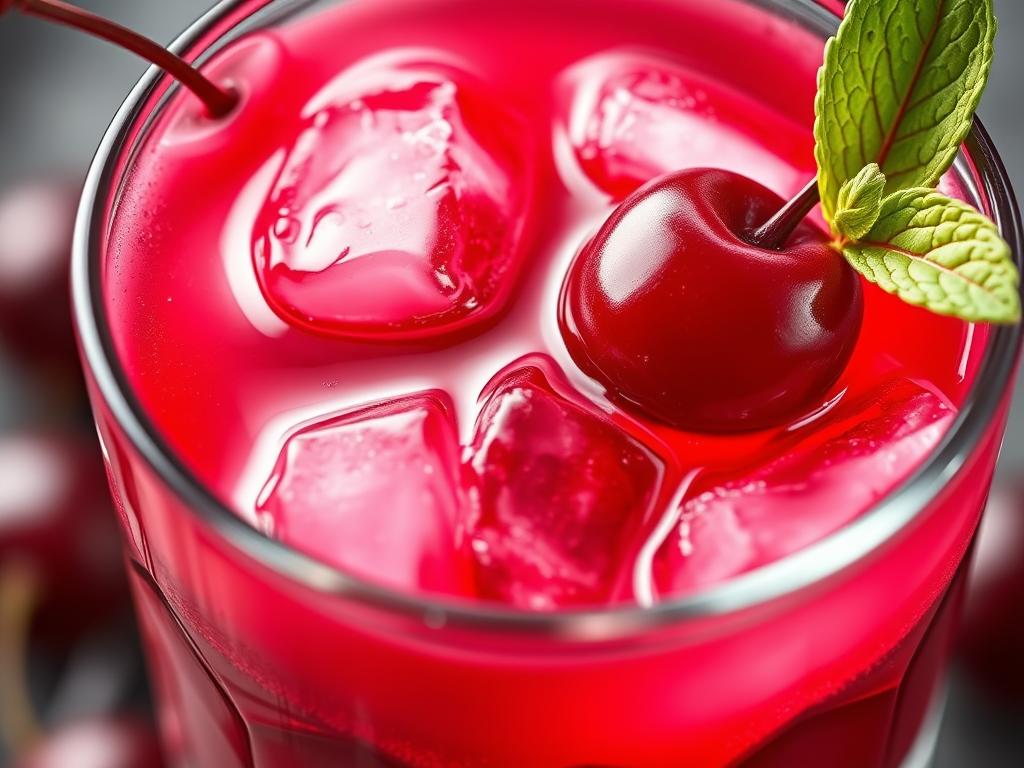
    I thought about this after being asked if tart cherry is worth it….in my opinion based on the research available i think it certainly has a place in the athletic world. However, I think the context and the correct protocol are vital……A single dose post training may not be enough. Hopefully after reading this you may be best equipped to include tart cherry into your nutrition strategy.

    Tart Cherry for Performance and Recovery: A Science-Backed Approach?

    Athletes and fitness enthusiasts are constantly seeking natural ways to enhance performance and accelerate recovery. One food that has gained attention in recent years is tart cherry (Prunus cerasus). Rich in antioxidants, polyphenols, and anthocyanins, tart cherry has been studied for its potential benefits in muscle recovery, inflammation reduction, and overall exercise performance. This post explores the science behind tart cherry supplementation and its implications for athletic performance and recovery.

    The Science Behind Tart Cherry

    Tart cherries, particularly Montmorency cherries, contain high levels of anthocyanins, which possess potent anti-inflammatory and antioxidant properties (Bell et al., 2014). These bioactive compounds help mitigate oxidative stress and muscle damage caused by intense exercise. The consumption of tart cherry juice or supplements has been linked to reductions in markers of muscle damage, such as creatine kinase (CK) and lactate dehydrogenase (LDH), following strenuous exercise (Connolly et al., 2006).

    Performance Enhancement

    Research suggests that tart cherry supplementation can enhance endurance performance. A study by Levers et al. (2016) found that athletes who consumed tart cherry powder experienced improved aerobic endurance, reduced muscle soreness, and increased time to exhaustion compared to a placebo group. The potential mechanisms include improved blood flow, reduced oxidative stress, and enhanced mitochondrial function.

    Additionally, tart cherry has been shown to reduce muscle pain and soreness after high-intensity exercise. In a study by Howatson et al. (2010), marathon runners who consumed tart cherry juice experienced significantly less post-race muscle pain compared to those who did not. This suggests that tart cherry may support better performance by minimizing exercise-induced muscle damage and inflammation.

    Accelerated Recovery and Reduced Inflammation

    One of the key benefits of tart cherry for athletes is its ability to speed up muscle recovery. A study by Bowtell et al. (2011) demonstrated that tart cherry supplementation reduced muscle strength loss and improved recovery in well-trained individuals. The anti-inflammatory properties of tart cherry are particularly beneficial in reducing delayed onset muscle soreness (DOMS) and facilitating a quicker return to training.

    Moreover, tart cherry has been shown to positively influence sleep quality, which is crucial for recovery. The natural melatonin content in tart cherries may help regulate sleep cycles and improve overall sleep duration and quality (Losso et al., 2018).

    How to Incorporate Tart Cherry Into Your Routine

    For athletes and active individuals looking to incorporate tart cherry into their regimen, research suggests the following guidelines:

    • Tart Cherry Juice: Consuming 8–12 ounces (240–355 mL) of tart cherry juice twice daily for 4–7 days before and after intense exercise can optimize recovery benefits (Howatson et al., 2010).
    • Tart Cherry Capsules/Powder: Taking 480 mg of tart cherry extract or powder daily has been found to provide similar benefits (Levers et al., 2016).
    • Whole Cherries: Eating fresh or dried tart cherries can also provide a natural source of beneficial compounds, although juice and extracts may offer more concentrated effects.

    Conclusion

    Tart cherry supplementation is a promising natural strategy for improving athletic performance, reducing muscle soreness, and accelerating recovery. The antioxidant and anti-inflammatory properties of tart cherries have been well-documented in scientific literature, making them an excellent addition to an athlete’s nutrition plan. Whether consumed as juice, powder, or whole fruit, tart cherry offers a range of benefits that can support endurance, strength, and overall recovery.

    References

    • Bell, P. G., Stevenson, E., Davison, G. W., & Howatson, G. (2014). The role of cherries in exercise and health. Scandinavian Journal of Medicine & Science in Sports, 24(3), 477-490.
    • Bowtell, J. L., Sumners, D. P., Dyer, A., Fox, P., & Mileva, K. N. (2011). Montmorency cherry juice reduces muscle damage caused by intensive strength exercise. Medicine and Science in Sports and Exercise, 43(8), 1544-1551.
    • Connolly, D. A. J., McHugh, M. P., & Padilla-Zakour, O. I. (2006). Efficacy of a tart cherry juice blend in preventing symptoms of muscle damage. British Journal of Sports Medicine, 40(8), 679-683.
    • Howatson, G., McHugh, M. P., Hill, J. A., Brouner, J., Jewell, A. P., Van Someren, K. A., … & Howatson, S. A. (2010). Influence of tart cherry juice on indices of recovery following marathon running. Scandinavian Journal of Medicine & Science in Sports, 20(6), 843-852.
    • Levers, K., Dalton, R., Galvan, E., Goodenough, C., O’Connor, A., Simbo, S., … & Kreider, R. B. (2016). Effects of powdered Montmorency tart cherry supplementation on an acute bout of intense lower body strength exercise in resistance trained males. Journal of the International Society of Sports Nutrition, 13(1), 22.
    • Losso, J. N., Finley, J. W., Karki, N., Liu, A. G., Prudente, A., Tipton, R., & Yu, Y. (2018). Pilot study of the Tart Cherry Juice for the treatment of insomnia and investigation of mechanisms. American Journal of Therapeutics, 25(2), e194-e201.