

CrossFit competitions demand a combination of strength, endurance, agility, and mental focus, pushing athletes to their physical limits. After a grueling day (or days) of intense physical activity, proper nutrition is essential to promote recovery, restore energy, and prevent injury. This blog post will outline the critical role of nutrition in post-competition recovery, with evidence-based recommendations to help you recover faster and more effectively.
Why Recovery Nutrition Matters
After a CrossFit competition, your body undergoes a series of processes to repair muscle damage, replenish glycogen stores, and rehydrate. The nutrition you provide during the recovery period is vital in optimising these processes. Here’s why:
- Muscle Repair and Protein Synthesis: Intense physical activity, such as CrossFit, causes microscopic tears in muscle fibers. Protein is crucial for muscle repair and recovery, as it provides the building blocks needed for muscle protein synthesis (MPS).
- Glycogen Replenishment: CrossFit relies heavily on glycolysis for energy, which depletes muscle glycogen stores. Consuming carbohydrates post-competition helps replenish glycogen, enabling the muscles to recover and prepare for future training sessions.
- Hydration: During a competition, athletes lose fluids and electrolytes through sweat, which must be replenished to prevent dehydration and maintain optimal performance.
- Inflammation Reduction: Intense exercise also induces inflammation in the body. Consuming anti-inflammatory foods and nutrients can help reduce this inflammation and alleviate muscle soreness.
Key Nutrients for Recovery
Based on current scientific literature, there are several key nutrients that should be prioritised in your recovery nutrition:
1. Protein
Protein intake is critical for muscle repair and recovery. Research shows that consuming 20-40 grams of high-quality protein within 30 minutes to two hours after exercise maximises muscle protein synthesis (Schoenfeld et al., 2013). Whey protein, lean meats, fish, eggs, and plant-based proteins like soy and legumes are excellent sources. Aim for around 1.2–1.7 grams of protein per kilogram of body weight per day during the recovery phase, as suggested by the International Society of Sports Nutrition (Jäger et al., 2017).
2. Carbohydrates
Carbohydrates are essential for replenishing glycogen stores. CrossFit competitions deplete muscle glycogen, and consuming 1.0–1.2 grams of carbohydrates per kilogram of body weight within the first hour after intense exercise has been shown to accelerate glycogen resynthesis (Ivy, 2004). This will ensure that your energy stores are replenished for your next training session. Examples of carbohydrate-rich foods include fruits, whole grains, and starchy vegetables.
3. Electrolytes and Fluids
Rehydration is critical after CrossFit, especially if the competition involved long, sweaty workouts. Electrolytes like sodium, potassium, and magnesium are lost through sweat and must be replaced to avoid cramps and fatigue. Studies suggest that drinking beverages containing both fluids and electrolytes can improve rehydration and maintain performance during recovery (Maughan & Shirreffs, 2010).
You can replenish electrolytes with sports drinks, coconut water, or electrolyte tablets. Water is still your primary hydration source, but it’s essential to include electrolytes when you’ve had a significant loss of fluids.
4. Fats
While fats are not the primary energy source during recovery, consuming healthy fats can help modulate inflammation and improve overall recovery. Omega-3 fatty acids, found in foods like salmon, walnuts, and chia seeds, have anti-inflammatory effects that may reduce muscle soreness and improve joint recovery (Philippou et al., 2017).
5. Antioxidants
Antioxidants help combat oxidative stress, which is an inevitable result of intense exercise. Incorporating fruits and vegetables high in antioxidants, such as berries, spinach, and kale, can reduce muscle damage and inflammation. Some research suggests that antioxidant supplementation (like vitamin C and E) can support muscle recovery, although results are mixed and whole food sources are generally recommended (Ferguson-Stegall et al., 2011).
6. Caffeine
Though commonly known for its stimulant effects, caffeine also plays a role in recovery. It has been shown to enhance glycogen re-synthesis when consumed alongside carbohydrates post-exercise, which can further accelerate the recovery process (Graham et al., 2007). So, a small cup of coffee or green tea may be beneficial for some athletes after a competition. Do not compromise sleep if your recovery starts late PM.
Supplements for Recovery
While whole foods should always be prioritised, some athletes may benefit from additional supplements to further enhance recovery. Here are some key supplements that may help:
1. Branched-Chain Amino Acids (BCAAs)
BCAAs—leucine, isoleucine, and valine—are essential amino acids that play a significant role in muscle recovery. Research suggests that BCAAs can reduce muscle soreness, decrease muscle damage, and stimulate muscle protein synthesis after exercise (Jackman et al., 2010). If you struggle to meet your protein needs from food alone, BCAAs might be a helpful addition to your recovery protocol.
2. Creatine
Creatine is a well-researched supplement known for enhancing strength and power during exercise. While it is typically used during training to increase performance, some studies suggest that creatine supplementation post-exercise may help with muscle repair by reducing inflammation and promoting cell recovery (Rawson & Volek, 2003). A typical dose is 3-5 grams per day, and creatine can be taken post-competition to help with long-term muscle recovery.
3. Glutamine
Glutamine is an amino acid that plays a critical role in immune function and muscle repair. During periods of intense physical stress, such as after CrossFit competitions, glutamine levels may decrease. Supplementing with glutamine can help to prevent muscle breakdown, improve immune function, and support gut health (Kreider et al., 2010).
4. Fish Oil (Omega-3 Fatty Acids)
As mentioned earlier, omega-3 fatty acids have anti-inflammatory effects, which are especially beneficial for muscle recovery. Omega-3 supplementation (around 1–3 grams per day) has been shown to reduce muscle soreness and improve recovery after intense exercise (Philippou et al., 2017). Fish oil is an excellent supplement if you don’t regularly consume fatty fish like salmon.
5. Tart Cherry Juice
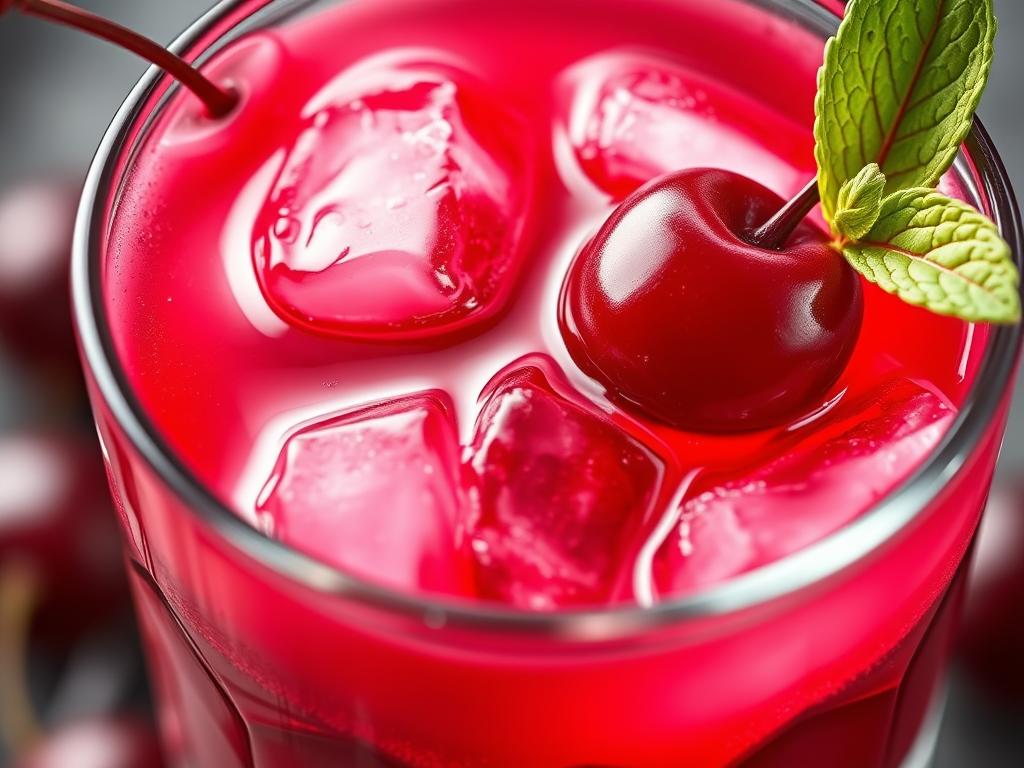
Tart cherry juice has gained attention for its potential to reduce muscle soreness and inflammation. Studies have shown that consuming tart cherry juice before and after intense physical activity can decrease muscle damage, oxidative stress, and inflammation, ultimately aiding in recovery (Howatson et al., 2010). A typical dose is about 230ml of tart cherry juice or equivalent concentrated powder.
6. Vitamin D
Vitamin D is vital for bone health, immune function, and muscle function. Some studies suggest that vitamin D deficiency may impair muscle recovery and increase the risk of injury. Supplementing with vitamin D, especially in athletes who train indoors or in regions with limited sunlight, may improve recovery and overall performance (Close et al., 2013). A typical dose is 1000-2000 IU per day, but it’s important to have your vitamin D levels checked by a healthcare provider to determine the correct dose.
Recovery Nutrition Timeline
The window for post-workout nutrition, often called the “anabolic window,” is typically the first 30-60 minutes post-exercise. During this period, your body is primed to absorb nutrients and initiate the recovery processes. Ideally, your post-competition meal should include a combination of protein, carbohydrates, and fluids. Here’s a sample recovery meal:
- Protein source: 25-30 grams of lean protein (e.g., chicken, turkey, or plant-based protein powder)
- Carb source: 50-75 grams of carbohydrates (e.g., sweet potato, quinoa, or fruit)
- Healthy fat source: A handful of nuts or a tablespoon of olive oil
- Fluids: 500-700 ml of water or an electrolyte-rich sports drink
Additional Recovery Strategies
While nutrition plays a vital role in recovery, it’s important to combine it with other recovery strategies, such as:
- Sleep: Aim for 7-9 hours of sleep per night. During sleep, the body’s repair and growth processes are most active.
- Active Recovery: Engage in light exercises, like walking or yoga, the day after the competition to promote blood flow and reduce soreness.
- Stretching and Foam Rolling: To prevent tight muscles and increase mobility, incorporate stretching and foam rolling into your recovery routine.
Conclusion
Post-competition recovery is an essential aspect of maintaining performance and reducing the risk of injury. By focusing on protein for muscle repair, carbohydrates for glycogen replenishment, proper hydration with electrolytes, and inflammation-reducing foods, you can set your body up for optimal recovery. Supplements like BCAAs, creatine, omega-3s, and tart cherry juice can further support your recovery. Remember, recovery doesn’t end the day of the competition—consistent attention to nutrition, sleep, and recovery strategies over the next few days will maximise your results.
For more info like this follow my Instagram page chrisclayton14
References:
- Schoenfeld, B. J., Aragon, A. A., & Krieger, J. W. (2013). The effect of protein timing on muscle strength and hypertrophy: A meta-analysis. Journal of the International Society of Sports Nutrition, 10(1), 53.
- Jäger, R., Purpura, M., & Kerksick, C. (2017). International Society of Sports Nutrition Position Stand: Protein and exercise. Journal of the International Society of Sports Nutrition, 14(1), 20.
- Ivy, J. L. (2004). Dietary strategies to promote glycogen synthesis after exercise. Canadian Journal of Applied Physiology, 29(3), 306-317.
- Maughan, R. J., & Shirreffs, S. M. (2010). Rehydration and recovery after exercise. Nutrition Reviews, 68(2), 80-90.
- Philippou, A., Vassiliou, E., & Nicolaides, N. C. (2017). The role of omega-3 fatty acids in the recovery from exercise-induced muscle damage: A systematic review and meta-analysis. Sports Medicine, 47(4), 669-683.
- Ferguson-Stegall, L., Pollock, R. D., & Stone, M. H. (2011). The effects of antioxidants on exercise-induced muscle damage. International Journal of Sport Nutrition and Exercise Metabolism, 21(6), 468-476.
- Graham, T. E., Wright, D. C., & Bunn, J. (2007). Caffeine ingestion and muscle glycogen use during prolonged exercise in humans. European Journal of Applied Physiology, 100(5), 415-423.
- Jackman, S. R., et al. (2010). Branched-chain amino acids and muscle protein synthesis in humans: Myth or reality? Journal of the International Society of Sports Nutrition, 7(1), 1-9.
- Rawson, E. S., & Volek, J. S. (2003). Effects of creatine supplementation and resistance exercise on muscle strength and weightlifting performance. Journal of Strength and Conditioning Research, 17(4), 822-831.
- Kreider, R. B., et al. (2010). Glutamine: A potentially useful supplement for exercise recovery. Journal of Sports Science & Medicine, 9(3), 401-406.
- Howatson, G., et al. (2010). The effects of tart cherry juice on recovery following prolonged endurance exercise. Journal of the International Society of Sports Nutrition, 7(1), 17.
- Close, G. L., et al. (2013). The influence of vitamin D status on athletic performance and recovery. Sports Medicine, 43(9), 1307-1319.
 CC_Nutrition