“Informed By Science”

Tag: weight-loss

  • The Importance of Nutrition for Game Day Minus One: A Football Player’s Key to Peak Performance

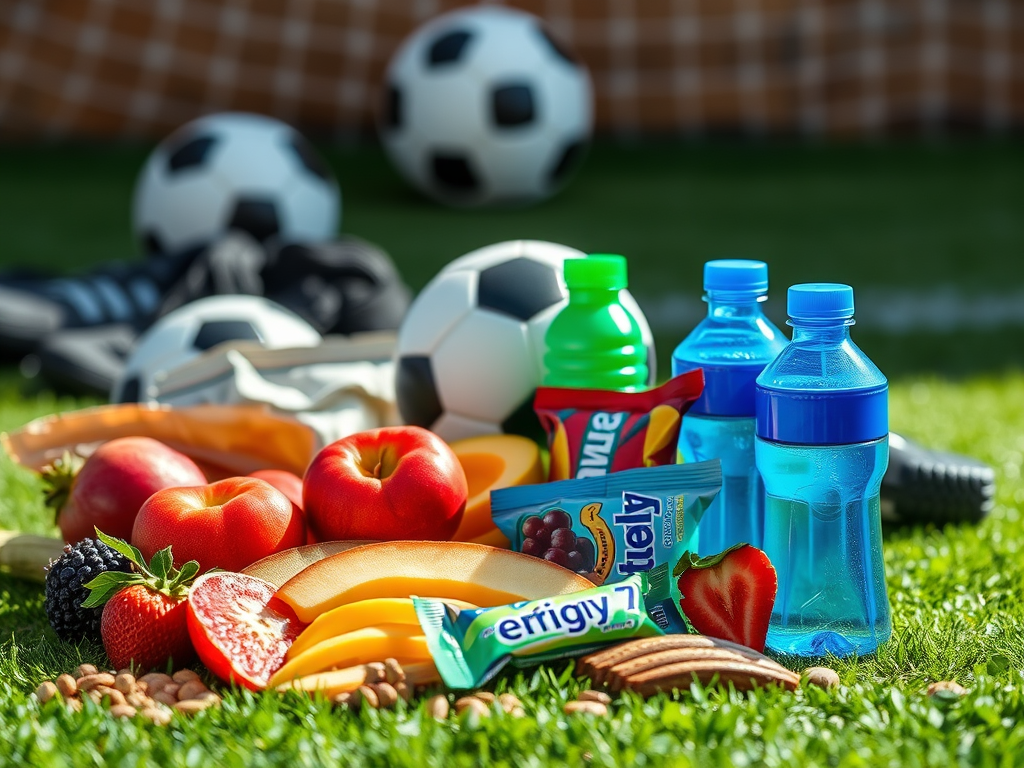
    As the big game approaches, football players are focused on refining their skills, finalizing tactics, and psyching themselves up for the win. However, one key aspect that can often be overlooked is nutrition—specifically, how players fuel themselves in the day leading up to the game. Nutrition on “game day minus one” (the day before the match) plays a crucial role in ensuring that athletes are physically prepared to perform at their peak. This blog post will explore why nutrition on the day before the game matters and provide evidence-based strategies for soccer players to optimise their energy, hydration, and recovery.

    Why Nutrition on Game Day Minus One Matters

    The human body operates as a finely tuned machine, and much like any machine, it requires the right fuel to function at its best. The day before a soccer match, players are looking to maximise glycogen stores (the body’s stored form of carbohydrate), maintain hydration levels, and promote recovery from previous training sessions.

    Here’s why nutrition on the day before the match is crucial:

    1. Glycogen Storage for Endurance Glycogen, the primary source of energy for athletes during high-intensity exercise, is stored in the muscles and liver. Football, with its high intensity, requires significant energy expenditure, especially during sprints, changes in direction, and bursts of activity. Ensuring that the body has sufficient glycogen stores is essential for endurance, focus, and strength on the field. Research suggests that carbohydrate loading, or increasing carbohydrate intake in the 24-48 hours prior to an event, enhances performance in endurance sports like soccer (Jeukendrup & Killer, 2010). On game day minus one, athletes should aim to consume complex carbohydrates like whole grains, pasta, rice, and potatoes, which provide a slow and sustained release of energy.
    2. Hydration for Optimal Performance Hydration is another pivotal factor in maximising performance. Dehydration can lead to decreased physical performance, reduced cognitive function, and an increased risk of injury. Studies show that even mild dehydration can impair performance, especially in sports that involve aerobic activity and intermittent sprints, such as soccer (Maughan & Shirreffs, 2010). On the day before the game, players should focus on staying hydrated throughout the day. A good rule of thumb is to drink water consistently throughout the day, starting early in the morning and continuing until evening. For some athletes, electrolyte-enhanced beverages may be beneficial, especially if training sessions leading up to the game have been intense.
    3. Promoting Recovery and Reducing Inflammation The training sessions leading up to the game can leave muscles fatigued and inflamed. Proper nutrition supports muscle recovery and minimises inflammation, helping players feel fresh and strong on match day. Protein, in particular, is essential for muscle repair, and it should be consumed at regular intervals throughout the day. A balanced intake of protein and fats is key for recovery. Sources of high-quality protein include whey, chicken, turkey, lean beef, fish, eggs, and plant-based options like tofu and lentils. Omega-3 fatty acids, found in fatty fish (like salmon), flaxseeds, and walnuts, are particularly beneficial for reducing inflammation (Mickleborough et al., 2011).
    4. Mental Focus and Cognitive Function A player’s mental clarity and focus are just as important as their physical condition when it comes to performing well on game day. The foods consumed the day before can influence cognitive function, decision-making speed, and focus. Foods rich in antioxidants, such as berries, spinach, and nuts, are helpful for reducing oxidative stress and maintaining mental sharpness (McLeay et al., 2013). Additionally, vitamin B-rich foods, such as whole grains and leafy vegetables, play a key role in the nervous system’s function.

    Practical Tips for Nutrition on Game Day Minus One

    Breakfast: A balanced breakfast should focus on providing carbohydrates, moderate protein, and a small amount of healthy fats. An example could be oatmeal topped with fruit, nuts, and a scoop of protein powder or Greek yogurt.

    Lunch: This meal should aim to increase glycogen stores further. A whole grain sandwich or wrap with lean protein (chicken or turkey), vegetables, and a side of fruit or a whole grain salad is a great option.

    Dinner: The final meal of the day should still prioritize carbohydrates, but with a slight emphasis on protein to aid recovery. A plate of whole grain pasta with lean protein (such as chicken) and a tomato-based sauce, alongside a large serving of vegetables, would provide a good balance.

    Snacks: Snacks throughout the day should be light but effective. A small bowl of mixed nuts, a banana with almond butter, or whole-grain crackers with cheese can maintain energy levels.

    Hydration: Drink plenty of water throughout the day. A good target is 3-4 liters for an average adult male, adjusting based on the player’s size, activity level, and environmental conditions.

    Foods to Avoid on Game Day Minus One

    While focusing on nutrition, it is just as important to avoid foods that may hinder performance. Players should steer clear of foods high in refined sugars or overly fatty foods, as they can cause blood sugar fluctuations and sluggishness. Additionally, heavy, rich foods (like greasy fast food) may lead to discomfort or gastrointestinal issues on match day.

    Conclusion

    Nutrition on game day minus one is a powerful tool that can directly influence a soccer player’s performance. By focusing on proper glycogen storage, hydration, recovery, and cognitive function, athletes can ensure that they are ready to perform at their best when the whistle blows. With the right strategies and meal planning, football players can fuel their bodies for success and give themselves the best possible chance of performing to their best.

    References

    • Jeukendrup, A., & Killer, S. C. (2010). The application of carbohydrate periodization in sport. Sports Science Exchange, 23(3), 1-6.
    • Maughan, R. J., & Shirreffs, S. M. (2010). Dehydration and rehydration in competitive sport. Scandinavian Journal of Medicine & Science in Sports, 20(Suppl 3), 40-47.
    • Mickleborough, T. D., Murray, R. L., & Ionescu, A. A. (2011). Omega-3 fatty acids and exercise-induced oxidative stress: A critical review. Journal of Sports Sciences, 29(5), 457-467.
    • McLeay, Y., Mullen, S., & Rattray, B. (2013). Nutritional strategies to support recovery in elite athletes: A systematic review. Journal of Sports Sciences, 31(9), 888-903.

  • Contraceptives and Weight Gain in Women: What Does the Science Say?

    Introduction

    The relationship between contraceptive use and weight gain has been a topic of debate for decades. Many women report weight changes after starting hormonal contraceptives, but is there scientific evidence to support this? This blog post reviews the current literature on how different types of contraceptives may influence body weight and composition.

    Types of Contraceptives and Their Potential Impact on Weight

    1. Combined Oral Contraceptives (COCs)

    COCs contain both estrogen and progestin and are one of the most commonly used contraceptive methods. Early versions of the pill contained high doses of estrogen, which were linked to water retention and weight gain (Lopez et al., 2016). However, modern low-dose formulations appear to have minimal effects on weight. A Cochrane review analyzing 49 trials found no significant evidence that COCs cause clinically meaningful weight gain (Lopez et al., 2016).

    2. Progestin-Only Pills (POPs)

    Progestin-only pills (also called the “mini-pill”) are sometimes preferred for women who cannot take estrogen. Limited evidence suggests that POPs do not significantly contribute to weight gain. However, some studies report increased appetite as a side effect, which could indirectly influence weight (Berenson et al., 2009).

    3. Injectable Contraceptives (Depo-Provera)

    Depot medroxyprogesterone acetate (DMPA), commonly known as Depo-Provera, has the strongest link to weight gain. Studies show that women using DMPA for a year or longer tend to gain an average of 2–3 kg, with some individuals experiencing even greater increases (Berenson et al., 2009). This weight gain is likely due to increased appetite and fat accumulation rather than water retention.

    4. Hormonal Implants and IUDs

    Implants (e.g., Nexplanon) and hormonal intrauterine devices (IUDs) release progestin over an extended period. Some research indicates that implants may lead to modest weight gain, whereas hormonal IUDs generally do not cause significant changes (Modesto et al., 2015). However, individual responses vary.

    5. Non-Hormonal Contraceptives

    Barrier methods (e.g., condoms, diaphragms) and copper IUDs do not influence hormones and therefore do not contribute to weight changes.

    Potential Mechanisms Behind Contraceptive-Related Weight Gain

    Several theories explain why some women experience weight gain while using hormonal contraceptives:

    • Increased appetite: Some progestins can stimulate appetite, leading to higher caloric intake.
    • Fluid retention: Estrogen can cause mild water retention, but this is typically temporary.
    • Changes in metabolism: Some evidence suggests that contraceptives might slightly alter metabolism and fat distribution.

    Individual Variability and Lifestyle Factors

    It’s important to recognize that weight gain while using contraceptives is not universal. Lifestyle factors, including diet, exercise, and genetics, play a significant role in weight changes. Some women may gain weight due to life-stage factors rather than the contraceptive itself.

    Conclusion

    The belief that all contraceptives cause weight gain is a common misconception. While some methods, particularly DMPA injections, have been linked to increased weight, others (such as COCs and IUDs) show minimal or no significant effects in most women. Women concerned about weight changes should discuss contraceptive options with their healthcare provider to find a method that best suits their needs.

    References

    • Berenson, A. B., Rahman, M., & Wilkinson, G. S. (2009). Weight gain among adolescents using depot medroxyprogesterone acetate versus oral contraceptives. Pediatrics, 124(2), e281-e289.
    • Lopez, L. M., Edelman, A., Chen, M., & Otterness, C. (2016). Progestin‐only contraceptives: effects on weight. Cochrane Database of Systematic Reviews, 2016(8).
    • Modesto, W., de Nazaré Silva dos Santos, P., Correia, V. M., Borges, J. C., Bahamondes, L., & Bahamondes, M. V. (2015). Body weight and composition in users of levonorgestrel-releasing intrauterine system. Contraception, 91(6), 495-500.
  • Nutrition for Recovery After a CrossFit Competition: Fuelling Your Body for Optimal Repair

    CrossFit competitions demand a combination of strength, endurance, agility, and mental focus, pushing athletes to their physical limits. After a grueling day (or days) of intense physical activity, proper nutrition is essential to promote recovery, restore energy, and prevent injury. This blog post will outline the critical role of nutrition in post-competition recovery, with evidence-based recommendations to help you recover faster and more effectively.

    Why Recovery Nutrition Matters

    After a CrossFit competition, your body undergoes a series of processes to repair muscle damage, replenish glycogen stores, and rehydrate. The nutrition you provide during the recovery period is vital in optimising these processes. Here’s why:

    1. Muscle Repair and Protein Synthesis: Intense physical activity, such as CrossFit, causes microscopic tears in muscle fibers. Protein is crucial for muscle repair and recovery, as it provides the building blocks needed for muscle protein synthesis (MPS).
    2. Glycogen Replenishment: CrossFit relies heavily on glycolysis for energy, which depletes muscle glycogen stores. Consuming carbohydrates post-competition helps replenish glycogen, enabling the muscles to recover and prepare for future training sessions.
    3. Hydration: During a competition, athletes lose fluids and electrolytes through sweat, which must be replenished to prevent dehydration and maintain optimal performance.
    4. Inflammation Reduction: Intense exercise also induces inflammation in the body. Consuming anti-inflammatory foods and nutrients can help reduce this inflammation and alleviate muscle soreness.

    Key Nutrients for Recovery

    Based on current scientific literature, there are several key nutrients that should be prioritised in your recovery nutrition:

    1. Protein

    Protein intake is critical for muscle repair and recovery. Research shows that consuming 20-40 grams of high-quality protein within 30 minutes to two hours after exercise maximises muscle protein synthesis (Schoenfeld et al., 2013). Whey protein, lean meats, fish, eggs, and plant-based proteins like soy and legumes are excellent sources. Aim for around 1.2–1.7 grams of protein per kilogram of body weight per day during the recovery phase, as suggested by the International Society of Sports Nutrition (Jäger et al., 2017).

    2. Carbohydrates

    Carbohydrates are essential for replenishing glycogen stores. CrossFit competitions deplete muscle glycogen, and consuming 1.0–1.2 grams of carbohydrates per kilogram of body weight within the first hour after intense exercise has been shown to accelerate glycogen resynthesis (Ivy, 2004). This will ensure that your energy stores are replenished for your next training session. Examples of carbohydrate-rich foods include fruits, whole grains, and starchy vegetables.

    3. Electrolytes and Fluids

    Rehydration is critical after CrossFit, especially if the competition involved long, sweaty workouts. Electrolytes like sodium, potassium, and magnesium are lost through sweat and must be replaced to avoid cramps and fatigue. Studies suggest that drinking beverages containing both fluids and electrolytes can improve rehydration and maintain performance during recovery (Maughan & Shirreffs, 2010).

    You can replenish electrolytes with sports drinks, coconut water, or electrolyte tablets. Water is still your primary hydration source, but it’s essential to include electrolytes when you’ve had a significant loss of fluids.

    4. Fats

    While fats are not the primary energy source during recovery, consuming healthy fats can help modulate inflammation and improve overall recovery. Omega-3 fatty acids, found in foods like salmon, walnuts, and chia seeds, have anti-inflammatory effects that may reduce muscle soreness and improve joint recovery (Philippou et al., 2017).

    5. Antioxidants

    Antioxidants help combat oxidative stress, which is an inevitable result of intense exercise. Incorporating fruits and vegetables high in antioxidants, such as berries, spinach, and kale, can reduce muscle damage and inflammation. Some research suggests that antioxidant supplementation (like vitamin C and E) can support muscle recovery, although results are mixed and whole food sources are generally recommended (Ferguson-Stegall et al., 2011).

    6. Caffeine

    Though commonly known for its stimulant effects, caffeine also plays a role in recovery. It has been shown to enhance glycogen re-synthesis when consumed alongside carbohydrates post-exercise, which can further accelerate the recovery process (Graham et al., 2007). So, a small cup of coffee or green tea may be beneficial for some athletes after a competition. Do not compromise sleep if your recovery starts late PM.

    Supplements for Recovery

    While whole foods should always be prioritised, some athletes may benefit from additional supplements to further enhance recovery. Here are some key supplements that may help:

    1. Branched-Chain Amino Acids (BCAAs)

    BCAAs—leucine, isoleucine, and valine—are essential amino acids that play a significant role in muscle recovery. Research suggests that BCAAs can reduce muscle soreness, decrease muscle damage, and stimulate muscle protein synthesis after exercise (Jackman et al., 2010). If you struggle to meet your protein needs from food alone, BCAAs might be a helpful addition to your recovery protocol.

    2. Creatine

    Creatine is a well-researched supplement known for enhancing strength and power during exercise. While it is typically used during training to increase performance, some studies suggest that creatine supplementation post-exercise may help with muscle repair by reducing inflammation and promoting cell recovery (Rawson & Volek, 2003). A typical dose is 3-5 grams per day, and creatine can be taken post-competition to help with long-term muscle recovery.

    3. Glutamine

    Glutamine is an amino acid that plays a critical role in immune function and muscle repair. During periods of intense physical stress, such as after CrossFit competitions, glutamine levels may decrease. Supplementing with glutamine can help to prevent muscle breakdown, improve immune function, and support gut health (Kreider et al., 2010).

    4. Fish Oil (Omega-3 Fatty Acids)

    As mentioned earlier, omega-3 fatty acids have anti-inflammatory effects, which are especially beneficial for muscle recovery. Omega-3 supplementation (around 1–3 grams per day) has been shown to reduce muscle soreness and improve recovery after intense exercise (Philippou et al., 2017). Fish oil is an excellent supplement if you don’t regularly consume fatty fish like salmon.

    5. Tart Cherry Juice

    Tart cherry juice has gained attention for its potential to reduce muscle soreness and inflammation. Studies have shown that consuming tart cherry juice before and after intense physical activity can decrease muscle damage, oxidative stress, and inflammation, ultimately aiding in recovery (Howatson et al., 2010). A typical dose is about 230ml of tart cherry juice or equivalent concentrated powder.

    6. Vitamin D

    Vitamin D is vital for bone health, immune function, and muscle function. Some studies suggest that vitamin D deficiency may impair muscle recovery and increase the risk of injury. Supplementing with vitamin D, especially in athletes who train indoors or in regions with limited sunlight, may improve recovery and overall performance (Close et al., 2013). A typical dose is 1000-2000 IU per day, but it’s important to have your vitamin D levels checked by a healthcare provider to determine the correct dose.

    Recovery Nutrition Timeline

    The window for post-workout nutrition, often called the “anabolic window,” is typically the first 30-60 minutes post-exercise. During this period, your body is primed to absorb nutrients and initiate the recovery processes. Ideally, your post-competition meal should include a combination of protein, carbohydrates, and fluids. Here’s a sample recovery meal:

    • Protein source: 25-30 grams of lean protein (e.g., chicken, turkey, or plant-based protein powder)
    • Carb source: 50-75 grams of carbohydrates (e.g., sweet potato, quinoa, or fruit)
    • Healthy fat source: A handful of nuts or a tablespoon of olive oil
    • Fluids: 500-700 ml of water or an electrolyte-rich sports drink

    Additional Recovery Strategies

    While nutrition plays a vital role in recovery, it’s important to combine it with other recovery strategies, such as:

    • Sleep: Aim for 7-9 hours of sleep per night. During sleep, the body’s repair and growth processes are most active.
    • Active Recovery: Engage in light exercises, like walking or yoga, the day after the competition to promote blood flow and reduce soreness.
    • Stretching and Foam Rolling: To prevent tight muscles and increase mobility, incorporate stretching and foam rolling into your recovery routine.

    Conclusion

    Post-competition recovery is an essential aspect of maintaining performance and reducing the risk of injury. By focusing on protein for muscle repair, carbohydrates for glycogen replenishment, proper hydration with electrolytes, and inflammation-reducing foods, you can set your body up for optimal recovery. Supplements like BCAAs, creatine, omega-3s, and tart cherry juice can further support your recovery. Remember, recovery doesn’t end the day of the competition—consistent attention to nutrition, sleep, and recovery strategies over the next few days will maximise your results.

    For more info like this follow my Instagram page chrisclayton14

    References:

    1. Schoenfeld, B. J., Aragon, A. A., & Krieger, J. W. (2013). The effect of protein timing on muscle strength and hypertrophy: A meta-analysis. Journal of the International Society of Sports Nutrition, 10(1), 53.
    2. Jäger, R., Purpura, M., & Kerksick, C. (2017). International Society of Sports Nutrition Position Stand: Protein and exercise. Journal of the International Society of Sports Nutrition, 14(1), 20.
    3. Ivy, J. L. (2004). Dietary strategies to promote glycogen synthesis after exercise. Canadian Journal of Applied Physiology, 29(3), 306-317.
    4. Maughan, R. J., & Shirreffs, S. M. (2010). Rehydration and recovery after exercise. Nutrition Reviews, 68(2), 80-90.
    5. Philippou, A., Vassiliou, E., & Nicolaides, N. C. (2017). The role of omega-3 fatty acids in the recovery from exercise-induced muscle damage: A systematic review and meta-analysis. Sports Medicine, 47(4), 669-683.
    6. Ferguson-Stegall, L., Pollock, R. D., & Stone, M. H. (2011). The effects of antioxidants on exercise-induced muscle damage. International Journal of Sport Nutrition and Exercise Metabolism, 21(6), 468-476.
    7. Graham, T. E., Wright, D. C., & Bunn, J. (2007). Caffeine ingestion and muscle glycogen use during prolonged exercise in humans. European Journal of Applied Physiology, 100(5), 415-423.
    8. Jackman, S. R., et al. (2010). Branched-chain amino acids and muscle protein synthesis in humans: Myth or reality? Journal of the International Society of Sports Nutrition, 7(1), 1-9.
    9. Rawson, E. S., & Volek, J. S. (2003). Effects of creatine supplementation and resistance exercise on muscle strength and weightlifting performance. Journal of Strength and Conditioning Research, 17(4), 822-831.
    10. Kreider, R. B., et al. (2010). Glutamine: A potentially useful supplement for exercise recovery. Journal of Sports Science & Medicine, 9(3), 401-406.
    11. Howatson, G., et al. (2010). The effects of tart cherry juice on recovery following prolonged endurance exercise. Journal of the International Society of Sports Nutrition, 7(1), 17.
    12. Close, G. L., et al. (2013). The influence of vitamin D status on athletic performance and recovery. Sports Medicine, 43(9), 1307-1319.
  • Does Meal Frequency Actually matter?

    Does Meal Frequency Actually matter?

    This aspect of nutrition has produced mixed results over the years and is a question I get asked quite often. The answer is yes….to an extent.

    I would point out it depends on what you are trying to achieve, if you are simply looking to lose weight (fat mass) what seems to be apparent is being in a calorie deficit, if however you are looking to maintain lean mass or build lean mass it may be slightly different.

    The hypothesis is that increasing meals increases the thermic effect of food ultimately increasing total energy expenditure, however the science might tell us something different.

    MEAL FREQUENCY ON FAT MASS

    Research on meal frequency and fat mass presents mixed findings, with no clear consensus on whether eating more frequently leads to greater fat loss. A systematic review published in Nutrients found no significant relationship between meal frequency and body weight or fat mass when total caloric intake was controlled (Schoenfeld et al., 2015). Similarly, a meta-analysis in the Journal of the International Society of Sports Nutrition concluded that while some studies suggested a higher meal frequency might slightly reduce fat mass, these results were largely driven by a single study, making generalisability uncertain (Taylor & Garvey, 2014). Conversely, some evidence suggests that increased meal frequency may improve appetite control and reduce overeating, potentially aiding fat loss over time (Leidy & Campbell, 2011). However, the overall scientific consensus suggests that total energy balance—rather than the number of meals per day—is the primary driver of changes in fat mass.

    Science supports this from a biological and physiological standpoint in that when energy intake exceeds energy expenditure, the surplus energy is then stored, when energy intake is less then energy expenditure, this results in loss of body mass. (Pang et al, 2014). This equation (energy balance) sits parallel with the foundations of thermodynamics, the second law, which theorises that energy is not destroyed, instead it postulates that energy transfers from one form to another. From this it is argued that the human body is an open system and that environmental, biological, and nutritional factors can influence the direction of energy expenditure and storage, when encompassing the second law of thermodynamics (Thomas et al, 2009).

    MEAL FREQUENCY ON LEAN MASS

    Recent research has explored the relationship between meal frequency and lean mass, yielding mixed results. A 2015 meta-analysis by Schoenfeld et al. found that increased meal frequency was associated with reductions in fat mass and body fat percentage, as well as an increase in fat-free mass. However, sensitivity analysis revealed that these positive effects were primarily driven by a single study, casting doubt on their generalisability. Similarly, a 2020 systematic review and network meta-analysis reported no significant impact of meal frequency on anthropometric outcomes, including lean mass, when total energy intake was held constant. Conversely, a 2015 study by Alencar et al. suggested that increased meal frequency might attenuate fat-free mass losses during a portion-controlled weight loss diet. Overall, these findings suggest that while meal frequency may have some influence, total protein intake and overall dietary quality are more critical factors in managing lean mass.

    TAKE HOME

    If you are looking to lose body fat the gold standard seems to remain as a calorie deficit, however if you ensure you have the correct NET protein intake you will preserve lean mass. In terms of lean mass maximising muscle protein synthesis and ensuring your NET protein intake is adequate seems to be more important than how many meals you eat.

    REFERENCES

    Canuto R, da Silva Garcez A, Kac G, de Lira PIC, Olinto MTA. Eating frequency and weight and body composition: a systematic review of observational studies. Public Health Nutrition. 2017;20(12):2079-2095. doi:10.1017/S1368980017000994.

    Impact of Meal Frequency on Anthropometric Outcomes: A Systematic Review and Network Meta-Analysis of Randomized Controlled TrialsSchwingshackl, Lukas et al.Advances in Nutrition, Volume 11, Issue 5, 1108 – 1122.

    Schoenfeld BJ, Aragon AA, Krieger JW. Effects of meal frequency on weight loss and body composition: a meta-analysis. Nutr Rev. 2015 Feb;73(2):69-82. doi: 10.1093/nutrit/nuu017. PMID: 26024494.

    Blazey P, Habibi A, Hassen N, Friedman D, Khan KM, Ardern CL. The effects of eating frequency on changes in body composition and cardiometabolic health in adults: a systematic review with meta-analysis of randomized trials. Int J Behav Nutr Phys Act. 2023 Nov 14;20(1):133. doi: 10.1186/s12966-023-01532-z. PMID: 37964316; PMCID: PMC10647044.