
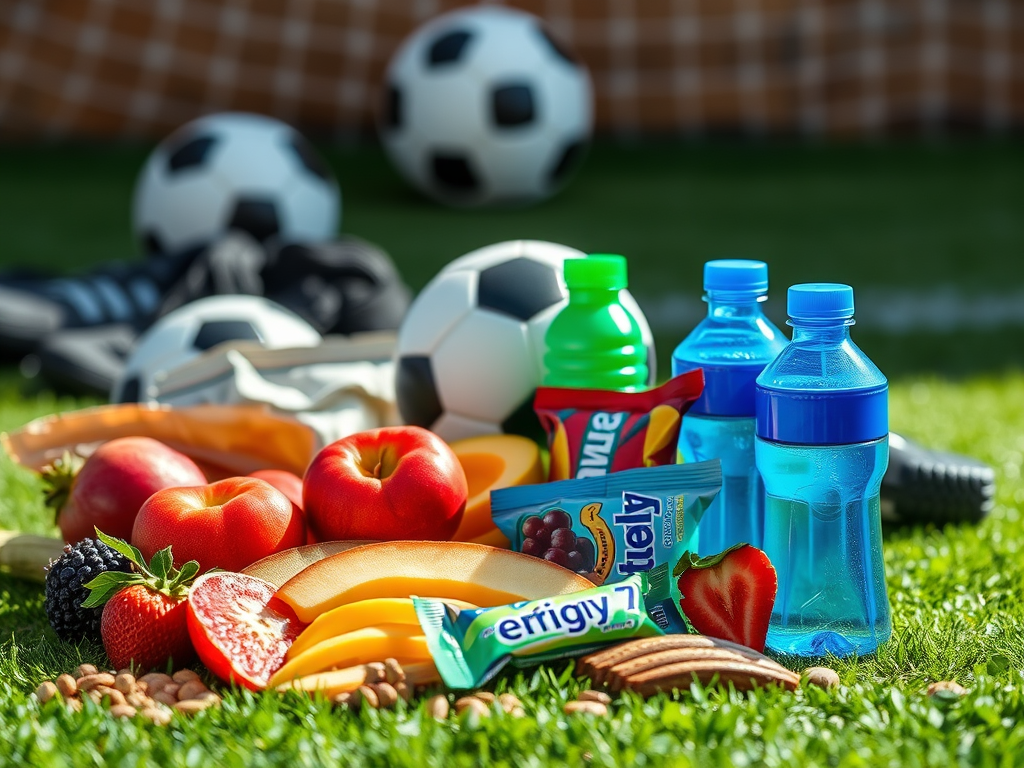
As the big game approaches, football players are focused on refining their skills, finalizing tactics, and psyching themselves up for the win. However, one key aspect that can often be overlooked is nutrition—specifically, how players fuel themselves in the day leading up to the game. Nutrition on “game day minus one” (the day before the match) plays a crucial role in ensuring that athletes are physically prepared to perform at their peak. This blog post will explore why nutrition on the day before the game matters and provide evidence-based strategies for soccer players to optimise their energy, hydration, and recovery.
Why Nutrition on Game Day Minus One Matters
The human body operates as a finely tuned machine, and much like any machine, it requires the right fuel to function at its best. The day before a soccer match, players are looking to maximise glycogen stores (the body’s stored form of carbohydrate), maintain hydration levels, and promote recovery from previous training sessions.
Here’s why nutrition on the day before the match is crucial:
- Glycogen Storage for Endurance Glycogen, the primary source of energy for athletes during high-intensity exercise, is stored in the muscles and liver. Football, with its high intensity, requires significant energy expenditure, especially during sprints, changes in direction, and bursts of activity. Ensuring that the body has sufficient glycogen stores is essential for endurance, focus, and strength on the field. Research suggests that carbohydrate loading, or increasing carbohydrate intake in the 24-48 hours prior to an event, enhances performance in endurance sports like soccer (Jeukendrup & Killer, 2010). On game day minus one, athletes should aim to consume complex carbohydrates like whole grains, pasta, rice, and potatoes, which provide a slow and sustained release of energy.
- Hydration for Optimal Performance Hydration is another pivotal factor in maximising performance. Dehydration can lead to decreased physical performance, reduced cognitive function, and an increased risk of injury. Studies show that even mild dehydration can impair performance, especially in sports that involve aerobic activity and intermittent sprints, such as soccer (Maughan & Shirreffs, 2010). On the day before the game, players should focus on staying hydrated throughout the day. A good rule of thumb is to drink water consistently throughout the day, starting early in the morning and continuing until evening. For some athletes, electrolyte-enhanced beverages may be beneficial, especially if training sessions leading up to the game have been intense.
- Promoting Recovery and Reducing Inflammation The training sessions leading up to the game can leave muscles fatigued and inflamed. Proper nutrition supports muscle recovery and minimises inflammation, helping players feel fresh and strong on match day. Protein, in particular, is essential for muscle repair, and it should be consumed at regular intervals throughout the day. A balanced intake of protein and fats is key for recovery. Sources of high-quality protein include whey, chicken, turkey, lean beef, fish, eggs, and plant-based options like tofu and lentils. Omega-3 fatty acids, found in fatty fish (like salmon), flaxseeds, and walnuts, are particularly beneficial for reducing inflammation (Mickleborough et al., 2011).
- Mental Focus and Cognitive Function A player’s mental clarity and focus are just as important as their physical condition when it comes to performing well on game day. The foods consumed the day before can influence cognitive function, decision-making speed, and focus. Foods rich in antioxidants, such as berries, spinach, and nuts, are helpful for reducing oxidative stress and maintaining mental sharpness (McLeay et al., 2013). Additionally, vitamin B-rich foods, such as whole grains and leafy vegetables, play a key role in the nervous system’s function.
Practical Tips for Nutrition on Game Day Minus One
Breakfast: A balanced breakfast should focus on providing carbohydrates, moderate protein, and a small amount of healthy fats. An example could be oatmeal topped with fruit, nuts, and a scoop of protein powder or Greek yogurt.
Lunch: This meal should aim to increase glycogen stores further. A whole grain sandwich or wrap with lean protein (chicken or turkey), vegetables, and a side of fruit or a whole grain salad is a great option.
Dinner: The final meal of the day should still prioritize carbohydrates, but with a slight emphasis on protein to aid recovery. A plate of whole grain pasta with lean protein (such as chicken) and a tomato-based sauce, alongside a large serving of vegetables, would provide a good balance.
Snacks: Snacks throughout the day should be light but effective. A small bowl of mixed nuts, a banana with almond butter, or whole-grain crackers with cheese can maintain energy levels.
Hydration: Drink plenty of water throughout the day. A good target is 3-4 liters for an average adult male, adjusting based on the player’s size, activity level, and environmental conditions.
Foods to Avoid on Game Day Minus One
While focusing on nutrition, it is just as important to avoid foods that may hinder performance. Players should steer clear of foods high in refined sugars or overly fatty foods, as they can cause blood sugar fluctuations and sluggishness. Additionally, heavy, rich foods (like greasy fast food) may lead to discomfort or gastrointestinal issues on match day.
Conclusion
Nutrition on game day minus one is a powerful tool that can directly influence a soccer player’s performance. By focusing on proper glycogen storage, hydration, recovery, and cognitive function, athletes can ensure that they are ready to perform at their best when the whistle blows. With the right strategies and meal planning, football players can fuel their bodies for success and give themselves the best possible chance of performing to their best.
References
- Jeukendrup, A., & Killer, S. C. (2010). The application of carbohydrate periodization in sport. Sports Science Exchange, 23(3), 1-6.
- Maughan, R. J., & Shirreffs, S. M. (2010). Dehydration and rehydration in competitive sport. Scandinavian Journal of Medicine & Science in Sports, 20(Suppl 3), 40-47.
- Mickleborough, T. D., Murray, R. L., & Ionescu, A. A. (2011). Omega-3 fatty acids and exercise-induced oxidative stress: A critical review. Journal of Sports Sciences, 29(5), 457-467.
- McLeay, Y., Mullen, S., & Rattray, B. (2013). Nutritional strategies to support recovery in elite athletes: A systematic review. Journal of Sports Sciences, 31(9), 888-903.
 CC_Nutrition
Leave a comment