Tag: protein

  • Nutrition for the Menstrual Cycle: Physiology-Based Fueling Strategies for Female Athletes

    Introduction: Why the Menstrual Cycle Matters in Sports Nutrition

    The menstrual cycle is a complex endocrine rhythm governed by the hypothalamic–pituitary–ovarian (HPO) axis. It produces cyclical fluctuations in oestrogen and progesterone that influence nearly every physiological system relevant to sport:

    • Substrate utilisation (fat vs carbohydrate oxidation)
    • Glycogen storage and insulin sensitivity
    • Thermoregulation and heat tolerance
    • Fluid balance and plasma volume
    • Neuromuscular function and connective tissue properties
    • Mood, appetite regulation, and central nervous system drive

    Despite this, the scientific literature consistently highlights that performance effects across the cycle are small, variable, and highly individual, largely due to methodological limitations in cycle tracking and hormone verification (Elliott-Sale et al., 2021).

    Therefore, the most effective approach is not rigid “cycle syncing”, but physiology-led, flexible nutrition periodisation.

    Endocrine Overview: What is Actually Changing?

    The menstrual cycle is typically 21–35 days and is divided into follicular and luteal phases, with ovulation occurring mid-cycle.

    Key hormones and their roles

    Oestrogen (17β-oestradiol)

    • Increases fat oxidation during submaximal exercise
    • Enhances insulin sensitivity
    • Supports endothelial function and blood flow
    • Influences neuromuscular efficiency and central fatigue tolerance

    Progesterone

    • Thermogenic effect (raises core temperature)
    • Increases ventilation (respiratory drive)
    • May increase protein catabolism and glycogen utilisation
    • Can reduce gastrointestinal motility

    (Oosthuyse and Bosch, 2010)

    Menstrual Phase (Day 1–5): Low Hormones, High Inflammatory Activity

    Physiology in detail

    The menstrual phase begins with endometrial shedding, triggered by a sharp decline in both oestrogen and progesterone. This withdrawal leads to:

    Inflammatory cascade

    • Increased prostaglandin production
    • Uterine smooth muscle contraction (cramping)
    • Elevated local inflammatory signalling

    Systemic effects

    • Reduced circulating oestradiol
    • Lower resting core temperature
    • Potential transient reductions in plasma volume
    • Increased perceived fatigue in some individuals

    Importantly, iron loss is the most nutritionally significant factor, especially in athletes with heavy menstrual bleeding or low ferritin status.

    Performance implications

    • No consistent reduction in maximal strength or aerobic capacity in controlled studies
    • Higher inter-individual variability in perceived exertion
    • Pain and fatigue can indirectly reduce training output

    (Elliott-Sale et al., 2021)

    Nutrition strategy (mechanistic focus)

    1. Iron restoration and oxygen transport support

    Menstrual bleeding increases iron turnover, and iron is essential for:

    • Haemoglobin (oxygen transport)
    • Myoglobin (muscle oxygen storage)
    • Mitochondrial electron transport chain enzymes

    Strategy:

    • Heme iron: red meat, liver, poultry
    • Non-heme iron: legumes, spinach, fortified grains
    • Combine with vitamin C to enhance ferric → ferrous conversion

    (Beard and Tobin, 2000)

    Performance rationale:
    Low ferritin reduces VO₂max, increases fatigue, and impairs endurance efficiency.

    2. Prostaglandin and inflammation modulation

    • Omega-3 fatty acids reduce inflammatory eicosanoid production
    • Polyphenols may reduce oxidative stress and perceived pain

    3. Energy stability

    • Maintain carbohydrate intake to support serotonin synthesis
    • Prevent hypoglycaemia-related fatigue amplification

    Follicular Phase (Day 1–13): Rising Oestrogen and Increasing Metabolic Efficiency

    Physiology in detail

    The follicular phase begins with menstruation and continues until ovulation. It is characterised by:

    • Gradual rise in oestradiol
    • Low progesterone
    • Improved insulin sensitivity
    • Increased glucose uptake efficiency in muscle tissue

    Oestrogen also enhances:

    • Lipolysis (fat mobilisation)
    • Glycogen sparing during submaximal exercise
    • Vascular dilation and blood flow

    (Oosthuyse and Bosch, 2010)

    Performance implications

    This phase is often associated (not universally) with:

    • Better tolerance to high-intensity training
    • Improved training adaptation potential
    • Lower perceived exertion in some athletes

    However, meta-analytical evidence shows no consistent performance advantage when hormone confirmation is used (McNulty et al., 2020).

    Nutrition strategy (performance periodisation model)

    1. Carbohydrate periodisation (key lever)

    Improved insulin sensitivity supports:

    • Higher glycogen synthesis rates
    • More efficient glucose uptake (GLUT-4 activity)

    Application:

    • Higher carbohydrate availability around key training sessions
    • Fuel harder sessions more aggressively

    2. Protein synthesis optimisation

    Muscle protein synthesis is not cycle-dependent in a clinically meaningful way, but adequate intake remains essential:

    • 1.6–2.2 g/kg/day protein
    • 0.3–0.4 g/kg per meal

    (Phillips and Van Loon, 2011)

    3. Training adaptation window

    This phase may be optimal for:

    • Strength development blocks
    • High-intensity interval training
    • Volume progression phases

    Ovulatory Phase (Day ~12–16): Hormonal Peak and Transition Stress Point

    Physiology in detail

    Ovulation is triggered by an LH surge, preceded by peak oestradiol levels. This results in:

    • Follicle rupture and oocyte release
    • Short-term inflammatory response
    • Rapid hormonal transition (oestrogen → progesterone shift begins)
    • Slight thermoregulatory variability

    (Oosthuyse and Bosch, 2010)

    Performance considerations

    Research findings are mixed:

    • Some studies show small improvements in power output
    • Others show no meaningful change
    • Variability is largely due to individual response differences

    (Elliott-Sale et al., 2021)

    Nutrition strategy

    1. Oxidative stress buffering

    Hormonal peaks may increase reactive oxygen species in some contexts:

    • Polyphenols (berries, green tea, cocoa)
    • Omega-3 fatty acids

    2. Hydration and plasma stability

    • Maintain sodium and fluid balance
    • Support cardiovascular stability during training

    3. Energy consistency

    Avoid under-fuelling during hormonal transition phases due to:

    • Increased physiological variability
    • Potential appetite fluctuations

    Luteal Phase (Day 16–28): Elevated Metabolic Demand and Thermoregulatory Stress

    Physiology in detail

    The luteal phase is dominated by progesterone, which drives:

    Metabolic effects

    • Increased resting metabolic rate (~2–10%)
    • Increased oxygen consumption at rest
    • Greater carbohydrate oxidation during exercise

    Thermoregulatory effects

    • Increased core temperature (~0.3–0.5°C)
    • Reduced heat dissipation efficiency
    • Increased sweat rate variability

    Neurometabolic effects

    • Increased ventilation rate
    • Higher perceived exertion
    • Potential serotonin fluctuations influencing appetite

    (Smith and Steege, 2003)

    Performance implications

    • Increased strain in hot environments
    • Higher carbohydrate dependency during exercise
    • Greater perception of effort at same workload

    However, when energy intake is matched, performance decrements are not consistently observed (McNulty et al., 2020).

    Nutrition strategy (key performance phase)

    1. Energy availability adjustment (critical)

    Due to increased metabolic rate:

    • +90–300 kcal/day (individualised)
    • Prioritise energy availability for recovery and adaptation

    2. Carbohydrate emphasis (glycogen reliance increases)

    Progesterone increases glucose utilisation during exercise:

    • Maintain consistent carbohydrate intake
    • Prioritise pre- and post-training fuelling

    3. Micronutrient and neurotransmitter support

    Magnesium

    • Muscle relaxation
    • Sleep quality
    • Neuromuscular regulation

    Vitamin B6

    • Neurotransmitter synthesis (serotonin, dopamine pathways)
    • Mood regulation support

    4. Gastrointestinal management

    Progesterone slows GI transit:

    • Reduce excessive fibre pre-training
    • Choose low-FODMAP carbohydrate sources if needed
    • Avoid large high-fat meals close to exercise

    5. Thermoregulation strategy

    • Increased fluid and sodium intake in hot conditions
    • Cooling strategies for endurance sessions

    Critical Scientific Perspective: What the Evidence Actually Shows

    Despite strong physiological mechanisms, the current consensus is:

    Menstrual cycle phase effects on performance are small, inconsistent, and highly individual when rigorous study designs are used (Elliott-Sale et al., 2021).

    Key limitations in research

    • Lack of hormone confirmation (many studies rely on calendar tracking)
    • Small sample sizes
    • High inter-individual variability
    • Confounding from training status, nutrition, and sleep

    Applied Summary

    Menstrual phase

    Focus: iron + inflammation + energy stability

    Follicular phase

    Focus: carbohydrate availability + training progression

    Ovulation

    Focus: hydration + antioxidant support + consistency

    Luteal phase

    Focus: increased energy intake + carb support + thermoregulation

    Conclusion

    The menstrual cycle is best understood not as a limitation, but as a dynamic physiological framework influencing metabolism and recovery capacity.

    The strongest applied nutrition model is:

    • Maintain energy availability across all phases
    • Adjust carbohydrate intake to metabolic demand
    • Support iron status and micronutrient needs
    • Individualise based on symptoms and training load

    This approach aligns with current sports science consensus and avoids overinterpretation of cycle-based performance claims.

    References

    Beard, J.L. and Tobin, B. (2000) ‘Iron status and exercise’, The American Journal of Clinical Nutrition, 72(2), pp. 594S–597S.

    Elliott-Sale, K.J., McNulty, K.L., Ansdell, P., et al. (2021) ‘Methodological considerations for studies in the menstrual cycle in female athletes’, Sports Medicine, 51(4), pp. 843–861.

    McNulty, K.L., Elliott-Sale, K.J., Dolan, E., et al. (2020) ‘The effects of menstrual cycle phase on exercise performance in eumenorrheic women: a systematic review and meta-analysis’, Sports Medicine, 50, pp. 1813–1827.

    Oosthuyse, T. and Bosch, A.N. (2010) ‘The effect of the menstrual cycle on exercise metabolism: implications for exercise performance in eumenorrheic women’, Sports Medicine, 40(3), pp. 207–227.

    Phillips, S.M. and Van Loon, L.J.C. (2011) ‘Dietary protein for athletes: from requirements to optimum adaptation’, Journal of Sports Sciences, 29(S1), pp. S29–S38.

    Smith, R.L. and Steege, J.F. (2003) ‘The menstrual cycle and exercise performance’, Clinical Sports Medicine, 22(3), pp. 351–372.

  • Recovery Nutrition After CrossFit Competitions: What Actually Matters (Evidence-Based Guide)

    CrossFit competitions place extreme physiological demands on athletes, combining high-intensity efforts, strength, and repeated bouts of work over hours or multiple days. Effective recovery is therefore not about rapid refuelling alone, but about systematically restoring the body to its pre-competition physiological state over the following 24–72 hours.

    This article outlines what current peer-reviewed evidence tells us about recovery nutrition and how athletes can prioritise strategies that truly influence performance.

    Why Recovery Nutrition Matters

    Following competition, the body is left in a significantly disrupted state, characterised by:

    • Reduced muscle glycogen stores
    • Fluid and electrolyte deficits
    • Elevated muscle protein breakdown
    • Increased inflammation and neuromuscular fatigue

    To optimise subsequent performance and reduce injury risk, it is critical to restore these systems as close as possible to baseline.

    Restoring Pre-Competition Physiological Status

    Glycogen Restoration

    CrossFit relies heavily on glycolytic energy pathways, resulting in substantial glycogen depletion.

    In the early recovery phase (0–4 hours), muscle is highly sensitive to carbohydrate intake. Consuming approximately 1.0–1.2 g/kg/h can maximise glycogen resynthesis rates (Burke et al., 2017). Over longer recovery periods, total carbohydrate intake becomes the primary determinant, rather than precise timing (Burke et al., 2017).

    Implications:
    Incomplete glycogen replenishment is associated with reduced work capacity and impaired high-intensity performance.

    Muscle Protein Turnover

    Muscle protein synthesis (MPS) remains elevated for an extended period following exercise.

    • Muscle remains responsive to protein intake for at least 24 hours post-exercise (Witard & Tipton, 2014)

    Adequate daily protein intake is therefore more important than immediate post-exercise consumption.

    Implications:
    Inadequate protein intake may prolong muscle damage and delay recovery of strength and neuromuscular function.

    Hydration and Electrolyte Balance

    Sweat losses during competition can significantly impair performance if not corrected.

    Even small levels of dehydration (~2% body mass) are associated with reduced physiological function. Effective recovery requires replacing 125–150% of fluid losses, alongside sodium to improve retention.

    Neuromuscular and Central Fatigue

    Beyond peripheral fatigue, high-intensity competition induces central nervous system fatigue, reducing force production and coordination.

    Recovery of these systems is dependent on:

    • Adequate carbohydrate availability
    • Sufficient energy intake
    • Sleep

    Inflammation and Oxidative Stress

    Exercise-induced inflammation is part of the adaptation process, but excessive or prolonged responses can delay recovery.

    Whole-food nutrition rich in antioxidants may support recovery, whereas excessive supplementation may interfere with training adaptations.

    Key Insight

    Recovery is constrained more by what is not restored over the following 24–48 hours than by what is consumed immediately post-exercise.

    Missing an immediate post-exercise meal has minimal long-term impact, whereas failing to restore glycogen, hydration, and overall energy intake significantly impairs recovery.

    Debunking the ‘Anabolic Window

    The concept of a narrow 30–60 minute anabolic window is not supported by current evidence.

    • Muscle protein synthesis remains elevated for ≥24 hours post-exercise (Witard & Tipton, 2014)
    • Meta-analyses show no meaningful differences in muscle adaptations based purely on protein timing when total intake is sufficient (Casuso & Goossens, 2025)

    A more accurate interpretation is that the “window” is broad (several hours), not immediate.

    Recovery Timeline

    0–4 Hours Post-Competition

    This phase is most relevant when recovery time is limited.

    • Carbohydrates: ~1.0–1.2 g/kg/h if rapid recovery is required (Burke et al., 2017)
    • Protein: 20–40 g within a few hours
    • Fluids: Begin rehydration strategy

    4–24 Hours Post

    This period accounts for the majority of recovery:

    • Glycogen restoration driven by total carbohydrate intake
    • Protein intake distributed every 3–5 hours
    • Sleep and total energy intake are critical

    24–72 Hours Post

    • Continued muscle repair and neuromuscular recovery
    • Maintain:
      • Protein: ~1.6–2.2 g/kg/day
      • Adequate caloric intake

    Key Nutrients for Recovery

    Protein

    • 1.6–2.2 g/kg/day
    • Distributed across meals
    • Total intake more important than timing

    Carbohydrates

    • Essential for glycogen restoration
    • Timing only critical when recovery is short
    • Total daily intake is key (Burke et al., 2017)

    Hydration

    • Replace fluid and electrolyte losses
    • Individualised based on sweat rate

    Fats

    • Support overall dietary adequacy
    • Not a priority immediately post-exercise

    Antioxidants

    • Whole-food sources preferred
    • High-dose supplementation should be used cautiously

    Supplements: Evidence-Based Perspective

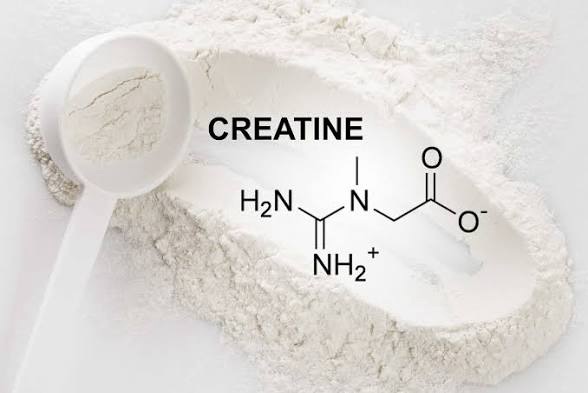
    Creatine

    • Well-supported for performance and recovery
    • 3–5 g/day

    BCAAs

    BCAAs may reduce muscle soreness and markers of damage, but do not significantly improve performance recovery when protein intake is sufficient (Jackman et al., 2010).

    Omega-3 Fatty Acids

    Evidence indicates small reductions in soreness, though effects may not be clinically meaningful (Lv et al., 2020).

    Tart Cherry Juice

    May improve some recovery markers (e.g., inflammation, strength recovery), though findings remain inconsistent (Daab et al., 2026).

    Lower-Value Supplements

    • Glutamine: limited evidence in well-fed athletes
    • High-dose antioxidants: may blunt adaptation

    Practical Recovery Strategy

    Within a Few Hours

    • Protein: 25–40 g
    • Carbohydrates: 1–1.5 g/kg (if rapid recovery required)
    • Fluids + electrolytes

    Across the Day

    • Regular meals every 3–5 hours
    • Prioritise carbohydrate availability and total energy intake
    • Maintain hydration

    Beyond Nutrition

    The most important recovery drivers include:

    • Sleep: 7–9 hours
    • Energy intake: avoiding low energy availability
    • Active recovery: light activity
    • Stress management

    Key Takeaways

    • Recovery is about restoring baseline physiology
    • The anabolic window is wide, not narrow
    • Total intake is more important than timing
    • Carbohydrate needs depend on competition demands
    • Supplements provide marginal benefits
    • Recovery occurs across 24–72 hours, not minutes

    Conclusion

    Recovery from CrossFit competition is not defined by immediate nutrient timing, but by how effectively an athlete restores glycogen, hydration, and overall energy balance over the following days.

    Focusing on complete recovery rather than rapid recovery ensures optimal performance, reduced injury risk, and long-term progression.

    Reference List.

    Burke, L.M. et al. (2017) ‘Postexercise muscle glycogen resynthesis in humans’, Journal of Applied Physiology, 122(5), pp. 1055–1067.

    Casuso, R.A. & Goossens, L. (2025) ‘Does protein ingestion timing affect exercise-induced adaptations? A systematic review with meta-analysis’, Nutrients, 17(13), 2070.

    Daab, W. et al. (2026) ‘Effects of tart cherry juice supplementation on recovery from exercise-induced muscle damage in athletes: A systematic review and meta-analysis’, Sports Medicine – Open.

    Jackman, S.R. et al. (2010) ‘Branched-chain amino acid ingestion can ameliorate soreness from eccentric exercise’, Medicine & Science in Sports & Exercise, 42(5), pp. 962–970.

    Lv, Z.T. et al. (2020) ‘Omega-3 polyunsaturated fatty acid supplementation for reducing muscle soreness after exercise: A systematic review and meta-analysis’, BioMed Research International, 2020.

    Witard, O.C. & Tipton, K.D. (2014) ‘Defining the anabolic window of opportunity following exercise’, Journal of the International Society of Sports Nutrition.

  • Collagen: The Supplement Everyone Buys… But Should You?

    Photo by Correxiko Collagen on Pexels.com

    A Science‑Backed Reality Check.

    Collagen has become the wellness world’s favourite shiny object. It’s in powders, gummies, coffees, creamers, bars, and probably soon in petrol stations next to the scratch cards. People swear it makes their skin glow, their joints youthful, and their performance superhuman.

    But here’s the uncomfortable truth: some of you are absolutely wasting your money. Not because collagen doesn’t work it does, in specific ways but because people buy it expecting miracles. If you think collagen is going to turn you into a Greek statue, you’d be better off spending that money on a decent pair of running shoes.

    So let’s cut through the hype and look at what actual peer‑reviewed science says about collagen’s benefits for health and performance.

    1. Skin Health: Yes, It Works But It Won’t Make You 20 Again

    A 2026 umbrella review found that collagen supplementation improves skin elasticity, hydration, and dermal structure across multiple RCTs (Ravindran et al., 2026). That’s real science, not backstreet science.

    But here’s the catch: These improvements are modest, not magical. Think “better texture and hydration,” not “Benjamin Button”.

    If you’re expecting collagen to erase a decade of sunbeds and late night kebabs and sambucas, you’re setting yourself up for disappointment.

    2. Musculoskeletal Performance: Surprisingly Solid Evidence

    A 2024 systematic review and meta‑analysis found that collagen peptide supplementation improves musculoskeletal performance, including strength and functional capacity, in active adults (Kirmse et al., 2024). These improvements are linked to enhanced connective tissue integrity and tendon stiffness basically making your body’s “hardware” more robust.

    A separate 2024 systematic review in Current Issues in Sport Science found that collagen supplementation combined with resistance training leads to significant increases in muscle mass and maximal strength compared with training alone (Kirmse & Platen, 2024).

    Translation: If you lift weights, collagen can help your connective tissues keep up with your muscles. If you don’t lift weights, collagen is basically expensive flavoured water.

    3. Bone Health: One of Collagen’s Most Underrated Benefits

    Bone health doesn’t usually get the spotlight in the supplement world. Nobody’s rushing to Instagram to brag about their improved lumbar spine density. But if there’s one area where collagen quietly pulls its weight, it’s this one. A 2025 meta‑analysis in Frontiers in Nutrition showed that collagen peptides especially when paired with vitamin D and calcium can meaningfully improve bone mineral density and markers of bone turnover (Sun et al., 2025). That’s not hype; that’s your skeleton literally getting stronger.

    And here’s the thing most people don’t realise: These benefits aren’t just for older adults. Anyone who trains hard, jumps, runs, or lifts heavy is putting repeated stress on their bones. Collagen helps reinforce the scaffolding that keeps those bones resilient. Think of it as strengthening the beams in your house before they start creaking.

    However….. and this is where expectations need a reality check, collagen is not a quick fix. You can’t take a scoop today and expect your bones to magically fortify themselves by the weekend. Bone remodelling is slow. Painfully slow. We’re talking months to years, not days. If you’re the impatient type who expects instant gratification, you’d honestly get more immediate benefit from buying a decent shoe. At least the shoe supports your bones today. Collagen is more like a long‑term investment the pension plan of supplements. Not exciting, but very smart.

    And if you’re someone who:

    • avoids dairy
    • rarely gets sunlight
    • trains hard or does impact sports
    • is peri‑ or post‑menopausal
    • or just wants to avoid turning into a human breadstick later in life

    …then collagen + vitamin D + calcium is a trio worth taking seriously.

    It won’t give you glowing skin overnight. It won’t build muscle on its own. But it will help keep your skeleton from filing a formal complaint in 10 years.

    4. Joint Pain & Osteoarthritis: Strong Evidence, Real Relief

    Joint pain is one of those things people love to ignore until it becomes impossible to pretend everything’s fine. Suddenly every staircase feels like a boss battle, and getting out of a chair becomes a full‑body event. This is where collagen actually steps up.

    A 2024 systematic review and meta‑analysis found that collagen supplementation significantly reduces knee osteoarthritis pain and improves functional outcomes (Simental‑Mendía et al., 2024). Not “sort of helps” — significantly. This is one of the most consistent findings in the entire collagen research landscape.

    And here’s the part people don’t want to hear: Collagen works best when your joints are already under regular, healthy load. If your knees hurt because you haven’t exercised since Fragle rock was released, collagen isn’t going to swoop in like some molecular superhero. It’s not a substitute for movement it’s a support system for it.

    Think of collagen as the WD‑40 for your cartilage. It doesn’t rebuild your joints from scratch, but it helps the machinery run smoother. It supports the collagen matrix in your cartilage, reduces inflammation, and may help slow the degenerative process. But it can’t undo years of inactivity, poor diet, or pretending stretching is “optional”.

    And if you’re someone who:

    • runs, jumps, or lifts regularly
    • has early‑stage osteoarthritis
    • feels “creaky” during warm‑ups
    • or wants to keep training without your joints staging a rebellion

    …then collagen is a smart addition to your routine.

    But if you’re expecting collagen to fix pain caused by sitting 10 hours a day, skipping leg day, and treating mobility work like a personal insult, you’d honestly be better off trying to kick yourself in the head.

    Collagen helps the science is clear. But it helps most when you’re already helping yourself.

    5. Bones, Muscles & Joints: Collagen Is Supportive — But Not a Muscle Builder

    Collagen often gets thrown into the “muscle recovery” conversation, usually by people who haven’t looked at a single amino acid profile in their life. So let’s clear this up properly.

    A 2025 systematic review found that Type I collagen hydrolysate supports bone, muscle, and joint health across multiple populations (Brueckheimer et al., 2025). But here’s the nuance: collagen supports the structures around your muscles not the muscles themselves.

    Why? Because collagen is terrible at stimulating muscle protein synthesis. It’s missing the key amino acid leucine, the one that actually flips the switch on muscle building. If whey protein is a light switch, collagen is a candle in a power cut.

    So no, collagen won’t help you recover from a heavy squat session the way whey, soy, or even a chicken breast will. It won’t spike MPS. It won’t build muscle tissue. It won’t repair the contractile fibres that actually produce force.

    What it will do is support the connective tissues that hold everything together:

    • Tendons
    • Ligaments
    • Fascia
    • Joint capsules
    • Cartilage matrix

    These tissues adapt slowly and are often the limiting factor in training. Muscles get stronger fast; tendons don’t. That’s where collagen earns its keep.

    Think of it like this:

    • Leucine rich protein repairs the engine.
    • Collagen maintains the bolts, belts, and suspension.

    Both matter, however, they do completely different jobs.

    And if you’re someone who:

    • lifts heavy
    • does CrossFit or HIIT
    • runs long distances
    • plays impact sports
    • or is constantly dealing with niggles, tightness, or tendon irritation

    …collagen can help keep the “support structures” functioning so your training doesn’t grind you into dust.

    But if you’re taking collagen instead of Leucine rich protein and expecting better recovery, you’re basically trying to fix a car engine with moisturiser. Wrong tool, wrong job.

    Collagen is structural support, not a muscle‑building supplement. Use it for what it’s good at and stop expecting it to do what it physically can’t.

    Where Collagen Does Not Have Strong Evidence

    Here’s where we need to get brutally honest, because this is the part supplement companies hope you never read. Collagen gets slapped on every wellness claim under the sun, but for several of the most popular ones, the science is either weak, inconsistent, or straight‑up nonexistent.

    Let’s break down the biggest myths — and why you shouldn’t waste your money chasing them.

    Gut Healing — The Marketing Is Stronger Than the Evidence

    You’ve probably heard someone swear collagen “heals the gut lining” or “fixes leaky gut”. Sounds great. Very holistic. Very Instagram‑friendly.

    But here’s the reality: There are no high‑quality human trials showing collagen repairs the gut lining or improves digestive health in any meaningful way. Most of the claims come from:

    • rodent studies
    • mechanistic speculation
    • or people who think “gelatin” and “gut health” rhyme, so it must be true

    If you’re buying collagen to fix your digestion, you’d honestly be better off buying a fibre supplement and drinking some water.

    Hair Growth — Mostly Hype, Not Science

    Collagen is often marketed as the secret to thick, luscious hair. But the evidence? Pretty thin, unlike the hair it supposedly gives you.

    There are no robust, peer‑reviewed human trials showing collagen meaningfully improves hair growth, density, or thickness. If your hair is thinning, collagen isn’t the cavalry. You’re better off looking at:

    • protein intake
    • iron levels
    • stress
    • thyroid function
    • or actual evidence‑based treatments

    Collagen won’t hurt but it’s not going to turn you into a shampoo advert.

    Nail Strength: Inconsistent and Overstated

    Some small studies suggest collagen might help brittle nails, but the research is:

    • tiny
    • inconsistent
    • often industry‑funded
    • and nowhere near the level of evidence we have for skin or joint health

    If your nails are weak, collagen is a gamble. A cheap multivitamin and adequate protein will probably do more.

    Weight Loss — Absolutely Not

    This one needs to dissappear immediately.

    Collagen does not:

    • boost metabolism
    • burn fat
    • suppress appetite
    • or magically lean you out

    If collagen helped with weight loss, every nutritionist on earth would be out of a job.

    If you’re buying collagen to lose weight, you’d get better results staring at a wall. Collagen is a protein supplement and not even a particularly good one. It’s low in leucine, low in essential amino acids, and low in satiety impact compared to whey or whole foods.

    It’s a supplement, not a fat burner.

    Dosage: What Actually Works (And What Type You Should Use)

    Most studies showing real benefits don’t just use “collagen” in the vague sense. They use specific types and specific doses and if you’re not matching that, you’re basically sprinkling expensive dust into your coffee.

    Here’s what the research actually uses:

    For Skin (Type I Hydrolysed Collagen Peptides)

    • 2.5–10 g/day
    • Duration: 8–12 weeks This is the form used in nearly all skin‑focused RCTs. Type I is the main collagen in skin, so it makes sense biologically and clinically.

    For Joint Pain & Osteoarthritis (Type II Undenatured Collagen OR Hydrolysed Collagen Blend)

    Two different forms are used in the literature:

    • Undenatured Type II collagen (UC‑II): 40 mg/day Tiny dose, big effect this is the form used in many OA trials.
    • Hydrolysed collagen peptides (Type I/II blend): 5–10 g/day Also effective, but requires a higher dose.

    For Tendons, Ligaments & Connective Tissue (Type I Hydrolysed Collagen Peptides)

    • 10–15 g/day
    • Often taken 30–60 minutes before training with 50–100 mg vitamin C This combo supports collagen synthesis in connective tissues the protocol used in tendon‑focused research.

    For Bone Health (Type I Collagen Peptides)

    • 5–15 g/day
    • Duration: 6–12+ months Bone remodelling is slow, so this is a long‑term play. Most studies pair collagen with vitamin D + calcium.

    For Muscle Recovery

    Forget it. Collagen is low in leucine, so it does not stimulate muscle protein synthesis. Use whey, soy, or a complete protein for actual recovery.

    If You’re Taking Gummies

    You’re eating sweets. Most contain 1–2 g of collagen far below any clinically effective dose.

    So… Should You Buy Collagen or Something Else Entirely?

    If you’re taking collagen expecting it to magically transform your body, you’d honestly get more immediate results buying a giant inflatable flamingo, sitting on it, and contemplating your life choices. At least the flamingo provides emotional support. Collagen won’t.

    Based on everything we’ve covered, collagen does have real, evidence‑backed benefits just not the ones people often imagine. It can improve skin hydration and elasticity, support joint comfort, strengthen bones over time, and help the connective tissues that keep your body from falling apart when you train. What it won’t do is build muscle, burn fat, fix your digestion, or replace actual protein.

    Collagen is a tool, not a transformation. It works best when it’s part of a bigger picture: consistent training, enough high‑quality protein, decent sleep, sunlight, and generally treating your body like something you plan to keep using for a while. On its own, it’s not going to change your life but used properly, it can support the parts of you that do the heavy lifting.

    References

    Brueckheimer, P.J., Costa Silva, T., Rodrigues, L., Zague, V. & Isaia Filho, C. (2025) The Effects of Type I Collagen Hydrolysate Supplementation on Bones, Muscles, and Joints: A Systematic Review. Orthopedic Reviews, 17. doi:10.52965/001c.129086.

    Kirmse, M., Hein, V., Schäfer, R. & Platen, P. (2024) Collagen Peptide Supplementation and Musculoskeletal Performance: A Systematic Review and Meta-Analysis. Dtsch Z Sportmed, 75, pp.179–188. doi:10.5960/dzsm.2024.605.

    Kirmse, M. & Platen, P. (2024) Effects of Collagen Peptide Supplementation on Muscle Mass and Strength in Combination with Resistance Training: A Systematic Review. Current Issues in Sport Science, 9, pp.1–12. doi:10.15203/CISS_2024.101.

    Ravindran, R. et al. (2026) Collagen Supplementation for Skin and Musculoskeletal Health: An Umbrella Review of Meta-Analyses on Elasticity, Hydration, and Structural Outcomes. Aesthetic Surgery Journal Open Forum, 8. doi:10.1093/asjof/ojag018.

    Simental‑Mendía, M. et al. (2024) Effect of Collagen Supplementation on Knee Osteoarthritis: An Updated Systematic Review and Meta-Analysis of Randomised Controlled Trials. Clinical and Experimental Rheumatology, 43(1), pp.126–134. doi:10.55563/clinexprheumatol/kflfr5.

    Sun, C. et al. (2025) Efficacy of Collagen Peptide Supplementation on Bone and Muscle Health: A Meta-Analysis. Frontiers in Nutrition, 12. doi:10.3389/fnut.2025.1646090.

  • Behaviour Change and Nutrition: The Key to Consistency

    Whether you’re aiming to build muscle, lose fat, or enhance performance, your nutrition habits are just as important as your training program. But sticking to a diet plan whether it’s a bulking phase, a cutting cycle, or performance nutrition can be harder than hitting a heavy squat. The real challenge isn’t knowing what to eat; it’s changing your behaviour to make it happen consistently.

    This is where behaviour change science comes in. Grounded in psychology, behaviour change strategies can help gym goers, athletes and well honestly, anyone! overcome common barriers like poor planning, low motivation, and decision fatigue turning good intentions into real results.

    Why Motivation Alone Isn’t Enough

    You might start a new meal plan feeling motivated and ready. But motivation fluctuates. To stay consistent long-term, you need more than willpower you need systems and strategies.

    According to the COM-B model, behaviour is driven by three things: Capability, Opportunity, and Motivation (Michie et al., 2011). In a gym context, this might look like:

    Capability: Do you have the cooking skills and nutrition knowledge? Opportunity: Is your environment helping or hindering your eating goals? Motivation: Are you clear on why you’re doing this?

    Addressing all three areas sets you up for long-term adherence not just short-term compliance.

    Habit Formation and Meal Consistency

    For athletes and recreational lifters, habit formation is key. The Health Action Process Approach (HAPA) highlights the difference between intention and action. You might plan to prep meals or hit your macros but without planning, tracking, and adjusting, those intentions often fall flat (Schwarzer, 2008).

    Using tools like MyFitnessPal (or other apps), food scales, and prep routines helps build consistency. Research shows that self-monitoring—tracking what you eat—is one of the most powerful predictors of success in fat loss and muscle gain (Chen et al., 2023).

    Digital Tools for Diet Adherence

    A 2023 meta-analysis confirmed that using nutrition tracking apps significantly improves dietary behaviours and outcomes in people aiming to lose fat or gain lean mass (Chen et al., 2023). These tools don’t just count calories they give real-time feedback, help you spot trends, and reinforce accountability.

    Other behaviour change techniques (BCTs) proven to support gym-related goals include:

    SMART goal-setting (Specific, Measurable, Achievable, Relevant, Time-bound)

    If then planning (e.g., “If I get hungry post-workout, then I’ll have a protein shake”)

    Social support (training partners or online communities)

    Why Most Meal Plans Fail (And How to Fix It)

    Many people fall off their meal plans not because they’re “lazy” or “undisciplined,” but because their approach doesn’t match their lifestyle or values. According to the Theory of Planned Behaviour (TPB), intentions alone aren’t enough people must also believe they have control over their environment and the ability to follow through (Ajzen, 1991).

    That’s why environmental restructuring like prepping meals in advance, keeping snacks out of sight, or having protein options ready post-training is critical. Your environment should make the right choice the easy choice.

    The Bigger Picture: Stress, Sleep, and Social Support

    Behaviour change science also reminds us that diet doesn’t happen in isolation. Poor sleep, stress, or a lack of social support can derail even the best plan. The Science of Behavior Change (SOBC) program by NIH highlights how self-regulation, stress management, and habit loops can be modified to enhance results (NIH, 2023).

    In other words, you don’t need to grind harder you need to train smarter, eat smarter, and structure your environment and mindset for success.

    Conclusion

    If you’ve ever struggled to stay consistent with your nutrition while training hard, you’re not alone and you’re not lacking discipline. You’re just missing the behaviour change strategies that align your habits with your goals.

    By applying science-based models like COM-B, HAPA, and TPB, and using tools like tracking apps, habit systems, and structured planning, you can finally bridge the gap between training and nutrition and unlock your full potential in the gym.

    If you want structured support to improve nutrition behaviour change and long term performance, get in touch

    References

    Ajzen, I., 1991. The theory of planned behavior. Organizational Behavior and Human Decision Processes, 50(2), pp.179–211.

    Chen, J., Cade, J.E. and Allman-Farinelli, M., 2023. The effectiveness of nutrition apps in improving dietary behaviours and health outcomes: a systematic review and meta-analysis. Public Health Nutrition, 26(1), pp.1–12.

    Greaves, C.J., Sheppard, K.E., Abraham, C., Hardeman, W., Roden, M., Evans, P.H. and Schwarz, P., 2011. Systematic review of reviews of intervention components associated with increased effectiveness in dietary and physical activity interventions. BMC Public Health, 11(1), p.119.

    Lee, R.M., Fischer, C., Caballero, P., and Andersson, E., 2022. Behaviour change nutrition interventions and their effectiveness: a systematic review of global public health outcomes. PLOS Global Public Health, 2(9), p.e0000401.

    Michie, S., Atkins, L., and West, R., 2014. The Behaviour Change Wheel: A Guide to Designing Interventions. London: Silverback Publishing.

    Michie, S., van Stralen, M.M. and West, R., 2011. The behaviour change wheel: A new method for characterising and designing behaviour change interventions. Implementation Science, 6(1), p.42.

    NIH Common Fund, 2023. Science of Behavior Change (SOBC). [online] Available at: https://commonfund.nih.gov/science-behavior-change-sobc [Accessed 18 May 2025].

    Schwarzer, R., 2008. Modeling health behavior change: How to predict and modify the adoption and maintenance of health behaviors. Applied Psychology, 57(1), pp.1–29.

  • Citrulline Malate and Performance: The Science Behind the Pump

    By Chris Clayton, PhD, SENr, Performance Nutritionist.

    As a performance nutritionist, I’ve worked with athletes across disciplines cycling, boxing, MMA, and football. One supplement I consistently see delivering results, especially in high-intensity and strength focused training, is citrulline malate. Unlike many so-called “pre-workout” compounds, this one stands up to scrutiny. So let’s take a deep dive into what citrulline malate is, how it works, and what the science really says about its impact on performance.

    What Is Citrulline Malate?

    Citrulline malate is a combination of two compounds:

    L-Citrulline: A non-essential amino acid that’s a precursor to L-arginine. It’s more effective than direct arginine supplementation at boosting nitric oxide (NO) levels due to better absorption and bioavailability. Malate (Malic Acid): A key intermediate in the tricarboxylic acid (TCA) cycle, also known as the Krebs cycle, which plays a central role in energy production.

    Together, this combo supports both anaerobic and aerobic performance by enhancing blood flow, buffering fatigue, and improving energy efficiency.

    Mechanisms of Action: How It Works

    Here’s how citrulline malate contributes to performance:

    Nitric Oxide Boost via Arginine Pathway: Supplementing with citrulline increases plasma L-arginine and nitric oxide more effectively than arginine itself (Schwedhelm et al., 2008). Higher NO levels result in vasodilation, which increases oxygen and nutrient delivery to working muscles, improving endurance and reducing fatigue. Ammonia and Lactate Clearance: Citrulline helps detoxify ammonia through the urea cycle, delaying the onset of fatigue (Sureda et al., 2010). This is particularly important during high-volume resistance training or repeated sprint bouts. Enhanced ATP Production via Malate: Malate supports mitochondrial energy production. It facilitates the regeneration of NAD+, a coenzyme essential for ATP generation, especially under aerobic conditions.

    What the Research Says

    1. Strength and Resistance Training

    Pérez-Guisado & Jakeman (2010): In this double-blind, placebo-controlled study, 8g of citrulline malate taken 1 hour before upper-body resistance training significantly increased the number of repetitions completed (by ~52.92%) and reduced muscle soreness at 24 and 48 hours post-training. Wax et al. (2015): Male subjects performing leg resistance training saw improved repetitions and reduced fatigue when supplemented with 8g of citrulline malate. This confirmed earlier findings and suggested a strong role in muscular endurance.

    2. Endurance Performance

    Bailey et al. (2015): A 6g dose of citrulline increased plasma nitrate and nitrite, improved VO2 kinetics, and reduced oxygen cost during moderate-intensity cycling. This means athletes required less oxygen to perform the same amount of work an efficiency gain that matters in endurance sports. Glenn et al. (2016): In this study on recreationally active males, a single 8g dose improved cycling time to exhaustion and reduced ratings of perceived exertion (RPE). Athletes felt they were working less hard to achieve the same output.

    3. Recovery and Muscle Soreness

    Gonzalez et al. (2018): Citrulline supplementation post-exercise improved blood flow and reduced delayed onset muscle soreness (DOMS), likely due to enhanced nutrient delivery and waste clearance during recovery phases.

    Practical Recommendations: How I Use It with Athletes

    Here’s how I typically program citrulline malate use:

    Dosage: 6–8g taken 30–60 minutes before training. This is the most evidence-backed range. Form: Powdered form is ideal, either standalone or in a pre-workout blend without excessive stimulants. Many commercial pre-workouts under-dose citrulline, so check labels carefully. Timing: Take on an empty stomach pre-training for better absorption. For high-volume training blocks or tournaments, some athletes use it daily for a more sustained effect on recovery. Cycling: While not strictly necessary, I may cycle usage (e.g., 5 days on, 2 days off) during off-season periods or lower training loads, simply to match need and avoid unnecessary supplementation.

    Safety and Side Effects

    Citrulline malate has a strong safety profile. No serious adverse effects have been reported at doses up to 10g per day. It’s stimulant-free, making it a good option for athletes training in the evening or those sensitive to caffeine. Minor side effects like stomach discomfort can occur in some people, particularly at higher doses, but these are rare.

    Final Thoughts

    From the lab to the gym floor, citrulline malate has earned its place as one of the few supplements that actually does what it claims. Whether you’re a strength athlete looking to grind out extra reps, a cyclist chasing improved endurance, or a combat sport athlete managing high training volumes, citrulline malate can offer a genuine performance boost.

    Just like any supplement, it works best when it’s built on a foundation of good nutrition, sleep, and recovery. But if you’re looking for a scientifically supported edge, this one’s worth considering.

    This is a good option that is informed sport so you can be sure it is free from banned substances

    Applied Nutrition Citrulline Malate 2:1

    Key References:

    Pérez-Guisado, J., & Jakeman, P. M. (2010). Citrulline malate enhances athletic anaerobic performance and relieves muscle soreness. Journal of Strength and Conditioning Research, 24(5), 1215–1222. Wax, B., et al. (2015). Effects of supplemental citrulline malate ingestion during repeated bouts of lower-body exercise. European Journal of Sport Science, 15(1), 45–52. Bailey, S. J., et al. (2015). Dietary nitrate supplementation reduces the O2 cost of low-intensity exercise and enhances tolerance to high-intensity exercise in humans. Journal of Applied Physiology, 107(4), 1144–1155. Glenn, J. M., et al. (2016). Acute citrulline malate supplementation improves cycling time trial performance in trained cyclists. Journal of Strength and Conditioning Research, 30(4), 1097–1103. Sureda, A., et al. (2010). L-Citrulline-malate influence over branched chain amino acid utilization during exercise. European Journal of Applied Physiology, 110(2), 341–351. Gonzalez, A. M., et al. (2018). Effects of citrulline supplementation on exercise performance in humans: A review of the current literature. Journal of Strength and Conditioning Research, 32(2), 385–391.

  • The Foundations of Performance Nutrition: Why Timing, Type, and Total Matter

    When it comes to enhancing performance whether in sport, exercise, or day-to-day energy demands nutrition is far more than just “eating healthy.” It’s a science-driven approach that focuses on fuelling the body in a strategic way to optimise energy, recovery, strength, and endurance. At the core of performance nutrition lies three crucial pillars: timing, type, and total intake. When these elements are aligned, they create a powerful framework to support physical performance and recovery. Let’s break each of these down.

    1. Timing: When You Eat Matters

    Nutrient timing is all about when you eat in relation to training or activity. Eating the right foods at the right times can enhance energy availability, reduce fatigue, and accelerate recovery.

    Pre-training: Fuel up with a mix of carbohydrates and a small amount of protein 1–3 hours before exercise to ensure glycogen stores are topped up and muscles are primed. During training: For longer sessions (especially over 60–90 minutes), intra-workout nutrition like simple carbs and fluids can help maintain energy and hydration. Post-training: Recovery nutrition is vital. Consuming carbs and protein within 30–60 minutes post-exercise helps replenish glycogen stores and kickstarts muscle repair.

    Ignoring nutrient timing can lead to under-fuelling, sluggish sessions, and prolonged recovery.

    2. Type: What You Eat Matters

    All calories are not created equal especially when it comes to performance. The type of macronutrients (carbohydrates, proteins, and fats) and micronutrients (vitamins and minerals) you consume plays a major role in how your body performs.

    Carbohydrates are the body’s preferred source of energy during high-intensity activity. Think whole grains, fruits, starchy veg, and sports-specific fuel like energy gels when needed. Protein is essential for muscle repair, growth, and overall recovery. Aim for lean protein sources like poultry, eggs, dairy, legumes, and plant-based alternatives. Fats, while often overlooked, are key for long-lasting energy and hormone function especially in endurance athletes. Prioritise healthy fats like avocado, nuts, seeds, and oily fish. Hydration and electrolytes are just as important as food without them, energy and focus can quickly drop.

    Matching the type of food to your activity and goals helps the body perform efficiently and recover faster.

    3. Total: How Much You Eat Matters

    Even with perfect timing and the right types of food, performance can still suffer if you’re under-fuelling or over-fuelling. Your total intake the quantity of calories and nutrients needs to align with your energy output and individual goals.

    Under-eating can lead to low energy availability, poor recovery, fatigue, and increased injury risk. Over-eating may cause sluggishness, weight gain, and reduced performance in sports that require speed or agility. Individual needs vary depending on training intensity, frequency, body composition goals, and metabolic rate there’s no one-size-fits-all.

    Working with a nutritionist or using tracking tools can help athletes find the sweet spot that meets their specific energy demands.

    Final Thoughts: The Big Picture

    Performance nutrition isn’t just about what you eat it’s a strategic combination of when, what, and how much you eat. These three pillars timing, type, and total are the backbone of effective fuelling for performance. Whether you’re training for a marathon, lifting heavy in the gym, or simply looking to feel more energised and focused in your daily life, getting these fundamentals right is essential.

    By fine-tuning these elements, you’re not just eating you’re fuelling with purpose.

  • Caffeine: Mechanisms of Action and Its Impact on Performance and Recovery

    Introduction

    Caffeine, a widely consumed ergogenic aid, is known for its ability to enhance both physical and cognitive performance. Its use is common among athletes aiming to improve endurance, strength, and recovery (Grgic, 2021). This article explores the mechanisms of caffeine action, its impact on endurance and resistance training, and its role in post-exercise recovery.

    Mechanisms of Action

    Caffeine exerts its effects through several key physiological mechanisms:

    Adenosine Receptor Antagonism:

    Caffeine blocks adenosine receptors (A1 and A2A) in the central nervous system, reducing fatigue perception and enhancing neurotransmitter release, particularly dopamine and norepinephrine (Ferreira, da Silva and Bueno, 2021).

    Calcium Mobilization:

    Caffeine increases calcium release from the sarcoplasmic reticulum in muscle cells, leading to enhanced muscle contraction and improved force production (Grgic, 2021).

    Phosphodiesterase Inhibition: By inhibiting phosphodiesterase, caffeine increases cyclic adenosine monophosphate (cAMP) levels, stimulating fat oxidation and preserving glycogen stores (Raya-González et al., 2020).

    Impact on Endurance Performance

    Caffeine is well-documented to improve endurance exercise performance by delaying fatigue and increasing time to exhaustion. Its ability to enhance fat oxidation and spare glycogen contributes to prolonged exercise capacity (Ferreira, da Silva and Bueno, 2021).

    Impact on Resistance Training

    Caffeine also has notable effects on resistance training:

    Muscular Strength:

    Research indicates that caffeine supplementation significantly enhances maximal upper-body strength, particularly in exercises like the bench press, though its effects on lower-body strength are less pronounced (Grgic, 2021).

    Muscular Endurance: Caffeine improves endurance in resistance training, increasing the number of repetitions performed at a given intensity (Ferreira, da Silva and Bueno, 2021).

    Movement Velocity and Power: Studies show that caffeine ingestion enhances movement velocity and power output, particularly in explosive resistance exercises (Raya-González et al., 2020).

    Impact on Recovery

    Caffeine’s influence on recovery is multifaceted:

    Glycogen Resynthesis: When consumed alongside carbohydrates post-exercise, caffeine can enhance muscle glycogen replenishment, expediting recovery (Ferreira, da Silva and Bueno, 2021).

    Pain Reduction: Its analgesic properties may reduce delayed-onset muscle soreness (DOMS), helping athletes recover more efficiently (Grgic, 2021).

    Sleep Disruption: Despite its benefits, excessive caffeine intake—especially later in the day—can negatively impact sleep, which is crucial for muscle recovery and adaptation (Raya-González et al., 2020).

    Conclusion

    Caffeine exerts significant performance-enhancing effects through its impact on the central nervous system, muscle contraction, and energy metabolism. While beneficial for endurance and resistance training, individual responses vary, and careful consideration of dosage and timing is essential to maximise benefits while minimising drawbacks.

    References

    Ferreira, T.T., da Silva, J.V.F. and Bueno, N.B. (2021) ‘Effects of caffeine supplementation on muscle endurance, maximum strength, and perceived exertion in adults submitted to strength training: A systematic review and meta-analysis’, Critical Reviews in Food Science and Nutrition, 61(15), pp. 2587–2600. https://doi.org/10.1080/10408398.2020.1781051. Grgic, J. (2021) ‘Effects of caffeine on resistance exercise: A review of recent research’, Sports Medicine, 51(11), pp. 2281–2298. https://doi.org/10.1007/s40279-021-01493-9. Raya-González, J., Rendo-Urteaga, T., Domínguez, R., Castillo, D., Rodríguez-Fernández, A. and Grgic, J. (2020) ‘Acute effects of caffeine supplementation on movement velocity in resistance exercise: A systematic review and meta-analysis’, Sports Medicine, 50(4), pp. 717–729. https://doi.org/10.1007/s40279-019-01211-9.

  • Understand HMB, Benefits, Mechanisms and Safety

    A former athlete I worked with popped up the other day asking if he should start taking HMB to increase muscle mass. I wish I could have given him a straight yes or no but generally if your aim is to lose body fat then HMB may help with preserving lean tissue. However, research is far from definitive in support of its efficacy.

    Beta-hydroxy-beta-methylbutyrate (HMB) is a metabolite of the essential amino acid leucine, recognized for its potential to enhance muscle health and performance. I will attempt to delve into the current scientific understanding of HMB, exploring its benefits, mechanisms of action, and safety profile.

    Benefits of HMB Supplementation

    1. Muscle Mass and Strength Enhancement

    Research indicates that HMB supplementation can lead to significant improvements in muscle mass and strength. An umbrella review of meta-analyses by Bideshki et al. (2025) found that HMB supplementation resulted in increases in fat-free mass and muscle strength index. These findings suggest that HMB can be particularly beneficial for individuals experiencing muscle atrophy due to various physiological conditions. 

    2. Attenuation of Muscle Loss in Clinical Conditions

    Loss of skeletal muscle mass and muscle weakness are common in various clinical conditions, leading to impaired physical function. A systematic review and meta-analysis by Rowlands et al. (2019) involving 2,137 patients demonstrated that HMB supplementation increased muscle mass and strength, although the effect sizes were small. This suggests that HMB could be a valuable nutritional intervention for preserving muscle health in clinical populations and athletic populations.

    3. Reduction of Exercise-Induced Muscle Damage

    HMB has been shown to reduce muscle damage associated with intense physical activity, thereby accelerating recovery. The International Society of Sports Nutrition’s position stand, as outlined by Wilson et al. (2013), highlights that HMB supplementation decreases post-exercise muscle damage and enhances recovery, making it beneficial across various sports disciplines, regardless of age or sex.  

    Mechanisms of Action

    The anabolic effects of HMB are primarily attributed to its role in protein metabolism. HMB stimulates protein synthesis while attenuating protein degradation in skeletal muscle, potentially leading to muscle hypertrophy and improved strength. Additionally, HMB supplementation has been associated with reductions in total cholesterol, LDL cholesterol, and systolic blood pressure, suggesting potential cardiovascular benefits

    Safety and Dosage

    HMB supplementation is generally considered safe for consumption. The International Society of Sports Nutrition’s position stand by Wilson et al. (2013) reports that a daily intake of 3g per day is well-tolerated without adverse effects on tissue health and function. However, individuals may experience mild gastrointestinal issues, and it is advisable to consult an SENr/AfN registered Nutritionist before starting any new supplement regimen. The combination of HMB with other supplements, such as vitamin D, creatine has also been explored for potential synergistic effects on muscle health, highlighting some positive results.

    Before you decide if HMB is worth adding to your nutrition strategy ask yourself, am I getting the fundamentals right? I.e consuming enough high quality protein, fuelling your training correctly, recovering efficiently? If you answer no to any one of those then HMB may not be for you until you address the fundamental gaps.

    Conclusion

    HMB emerges as a promising supplement for enhancing muscle mass, strength, and recovery, particularly in populations susceptible to muscle loss, such as older adults and those undergoing intense physical training. Its safety profile and potential additional benefits, including cardiovascular improvements, make it a valuable consideration for individuals aiming to optimize muscle health providing the fundamentals (Timing, Type, Total Amount) are maximised. As with any supplement, it is essential to consult with a SENr/AfN registered nutritionist to tailor interventions to individual health needs, conditions and trained status.

    References

    1. Bideshki, A., Bagheri, R., Rashidlamir, A., Motevalli, M. S., & Wong, A. (2025). Ergogenic Benefits of β-Hydroxy-β-Methyl Butyrate (HMB) Supplementation on Body Composition and Muscle Strength: An Umbrella Review of Meta-Analyses. Journal of Cachexia, Sarcopenia and Muscle, 16(2), 123-135. 

    2. Rowlands, D. S., Thomson, J. S., Timmons, B. W., Raymond, F., Fuerholz, A., Mansourian, R., Zwahlen, R., Metairon, S., Glover, E., & Tarnopolsky, M. A. (2019). β-Hydroxy-β-methylbutyrate and its impact on skeletal muscle mass and physical function in clinical practice: a systematic review and meta-analysis. The American Journal of Clinical Nutrition, 109(4), 1119-1132. 

    3. Wilson, J. M., Lowery, R. P., Joy, J. M., Andersen, J. C., Wilson, S. M., Stout, J. R., & Duncan, N. (2013). International Society of Sports Nutrition Position Stand: beta-hydroxy-beta-methylbutyrate (HMB). Journal of the International Society of Sports Nutrition, 10(1), 6. 

    4. Nissen, S. L., & Sharp, R. L. (2000). β-Hydroxy-β-methylbutyrate (HMB) supplementation in humans is safe and may decrease cardiovascular risk factors. The Journal of Nutrition, 130(8), 1937-1945.

  • Nutrition for Recovery in Pilates: What Science Says

    Pilates is a low-impact yet highly effective exercise system that improves flexibility, strength, and endurance. Whether you’re practicing classical or contemporary Pilates, proper nutrition plays a crucial role in recovery, muscle repair, and overall performance. While Pilates may not be as physically demanding as high-intensity workouts, research shows that balanced nutrition enhances recovery, reduces inflammation, and supports long-term progress.

    In this post, we’ll explore evidence-based nutritional strategies for optimal Pilates recovery, citing relevant literature.

    1. The Role of Macronutrients in Pilates Recovery

    Protein: Supporting Muscle Repair and Strength

    While Pilates primarily targets core strength and stability rather than muscle hypertrophy, it still induces micro-tears in muscles, requiring protein for repair and recovery. Studies show that consuming adequate protein post-exercise enhances muscle protein synthesis (Moore et al., 2015).

    Recommendation:

    • Aim for 0.3–0.4 g/kg of body weight of high-quality protein (e.g., Greek yogurt, eggs, or plant-based protein) within 30–60 minutes after your session (Morton et al., 2018).

    Carbohydrates: Replenishing Energy Stores

    Pilates, especially dynamic reformer classes, depletes muscle glycogen. Research suggests that consuming carbohydrates post-exercise enhances glycogen resynthesis and prevents fatigue (Burke et al., 2017).

    Recommendation:

    • Include 1–1.2 g/kg of body weight of carbohydrates post-session, preferably in combination with protein (e.g., a smoothie with banana and protein powder) (Beelen et al., 2010).

    Healthy Fats: Managing Inflammation

    While fats do not play a direct role in immediate recovery, omega-3 fatty acids have been shown to reduce inflammation and support joint health (Philpott et al., 2019). Given the importance of flexibility and joint mobility in Pilates, incorporating healthy fats is beneficial.

    Recommendation:

    • Include omega-3-rich foods like salmon, flaxseeds, or walnuts in your daily diet.

    2. Hydration: Essential for Muscle Function and Recovery

    Even mild dehydration can impair muscle function, leading to cramps and reduced flexibility (Casa et al., 2019). Since Pilates sessions often emphasize controlled breathing and core engagement, proper hydration supports optimal performance.

    Recommendation:

    • Drink 500 ml of water 30 minutes before your session and rehydrate with electrolyte-rich fluids post-workout, especially after a sweaty class.

    3. Micronutrients for Pilates Recovery

    Magnesium: Reducing Muscle Tension

    Pilates often engages deep stabilizing muscles, leading to muscle fatigue. Magnesium plays a crucial role in muscle relaxation and recovery (Volpe, 2015).

    Sources: Dark leafy greens, nuts, and seeds.

    Vitamin D & Calcium: Supporting Bone Health

    Weight-bearing movements in Pilates improve bone density, but adequate Vitamin D and calcium intake further enhance bone strength (Weaver et al., 2016).

    Sources: Dairy products, fortified plant-based milk, and sunlight exposure.

    4. Anti-Inflammatory Foods for Joint and Muscle Health

    Given Pilates’ emphasis on controlled movement, reducing inflammation is key to preventing stiffness. A Mediterranean-style diet rich in antioxidants has been shown to reduce exercise-induced oxidative stress (Gutiérrez-Salmeán et al., 2017).

    Foods to Include:

    • Berries (high in polyphenols)

    Turmeric (curcumin reduces inflammation)

    • Green tea (rich in catechins)

    5. Timing Matters: When to Eat for Recovery

    The “anabolic window”—the period after exercise when nutrient intake maximizes recovery—is often debated. Research suggests that while immediate post-workout nutrition is beneficial, overall daily intake matters more (Schoenfeld & Aragon, 2018).

    Best Approach:

    • Eat a balanced meal within 1–2 hours post-Pilates.

    • Prioritize whole, nutrient-dense foods rather than relying solely on supplements.

    Final Thoughts

    Pilates is a practice of balance, and nutrition should reflect that. By incorporating protein for muscle repair, carbohydrates for energy, and anti-inflammatory foods for joint health, you can enhance recovery and improve performance. Science-backed strategies like proper hydration, magnesium intake, and mindful meal timing will help you feel strong and energized after every session.

    References

    • Beelen, M., Burke, L. M., Gibala, M. J., & van Loon, L. J. C. (2010). Nutritional strategies to promote postexercise recovery. International Journal of Sport Nutrition and Exercise Metabolism, 20(6), 515-532.

    • Burke, L. M., van Loon, L. J. C., & Hawley, J. A. (2017). Post-exercise muscle glycogen resynthesis in humans. Journal of Applied Physiology, 122(5), 1055-1067.

    • Casa, D. J., et al. (2019). Hydration and health: Consensus document update. Journal of Athletic Training, 54(6), 588-595.

    • Gutiérrez-Salmeán, G., et al. (2017). Dietary antioxidants and exercise performance. Antioxidants, 6(1), 10.

    • Moore, D. R., et al. (2015). Protein ingestion to stimulate myofibrillar protein synthesis. The American Journal of Clinical Nutrition, 101(3), 528-533.

    • Morton, R. W., et al. (2018). Protein intake to maximize resistance training. Sports Medicine, 48(1), 67-78.

    • Philpott, J. D., et al. (2019). Omega-3 supplementation and exercise recovery. Frontiers in Nutrition, 6, 33.

    • Schoenfeld, B. J., & Aragon, A. A. (2018). Is there an anabolic window? Journal of the International Society of Sports Nutrition, 15, 10.

    • Volpe, S. L. (2015). Magnesium and the athlete. Current Sports Medicine Reports, 14(4), 279-283.

    • Weaver, C. M., et al. (2016). The importance of calcium in bone health. Osteoporosis International, 27(12), 3675-3685.

  • The Importance of Nutrition for Game Day Minus One: A Football Player’s Key to Peak Performance

    As the big game approaches, football players are focused on refining their skills, finalizing tactics, and psyching themselves up for the win. However, one key aspect that can often be overlooked is nutrition—specifically, how players fuel themselves in the day leading up to the game. Nutrition on “game day minus one” (the day before the match) plays a crucial role in ensuring that athletes are physically prepared to perform at their peak. This blog post will explore why nutrition on the day before the game matters and provide evidence-based strategies for soccer players to optimise their energy, hydration, and recovery.

    Why Nutrition on Game Day Minus One Matters

    The human body operates as a finely tuned machine, and much like any machine, it requires the right fuel to function at its best. The day before a soccer match, players are looking to maximise glycogen stores (the body’s stored form of carbohydrate), maintain hydration levels, and promote recovery from previous training sessions.

    Here’s why nutrition on the day before the match is crucial:

    1. Glycogen Storage for Endurance Glycogen, the primary source of energy for athletes during high-intensity exercise, is stored in the muscles and liver. Football, with its high intensity, requires significant energy expenditure, especially during sprints, changes in direction, and bursts of activity. Ensuring that the body has sufficient glycogen stores is essential for endurance, focus, and strength on the field. Research suggests that carbohydrate loading, or increasing carbohydrate intake in the 24-48 hours prior to an event, enhances performance in endurance sports like soccer (Jeukendrup & Killer, 2010). On game day minus one, athletes should aim to consume complex carbohydrates like whole grains, pasta, rice, and potatoes, which provide a slow and sustained release of energy.
    2. Hydration for Optimal Performance Hydration is another pivotal factor in maximising performance. Dehydration can lead to decreased physical performance, reduced cognitive function, and an increased risk of injury. Studies show that even mild dehydration can impair performance, especially in sports that involve aerobic activity and intermittent sprints, such as soccer (Maughan & Shirreffs, 2010). On the day before the game, players should focus on staying hydrated throughout the day. A good rule of thumb is to drink water consistently throughout the day, starting early in the morning and continuing until evening. For some athletes, electrolyte-enhanced beverages may be beneficial, especially if training sessions leading up to the game have been intense.
    3. Promoting Recovery and Reducing Inflammation The training sessions leading up to the game can leave muscles fatigued and inflamed. Proper nutrition supports muscle recovery and minimises inflammation, helping players feel fresh and strong on match day. Protein, in particular, is essential for muscle repair, and it should be consumed at regular intervals throughout the day. A balanced intake of protein and fats is key for recovery. Sources of high-quality protein include whey, chicken, turkey, lean beef, fish, eggs, and plant-based options like tofu and lentils. Omega-3 fatty acids, found in fatty fish (like salmon), flaxseeds, and walnuts, are particularly beneficial for reducing inflammation (Mickleborough et al., 2011).
    4. Mental Focus and Cognitive Function A player’s mental clarity and focus are just as important as their physical condition when it comes to performing well on game day. The foods consumed the day before can influence cognitive function, decision-making speed, and focus. Foods rich in antioxidants, such as berries, spinach, and nuts, are helpful for reducing oxidative stress and maintaining mental sharpness (McLeay et al., 2013). Additionally, vitamin B-rich foods, such as whole grains and leafy vegetables, play a key role in the nervous system’s function.

    Practical Tips for Nutrition on Game Day Minus One

    Breakfast: A balanced breakfast should focus on providing carbohydrates, moderate protein, and a small amount of healthy fats. An example could be oatmeal topped with fruit, nuts, and a scoop of protein powder or Greek yogurt.

    Lunch: This meal should aim to increase glycogen stores further. A whole grain sandwich or wrap with lean protein (chicken or turkey), vegetables, and a side of fruit or a whole grain salad is a great option.

    Dinner: The final meal of the day should still prioritize carbohydrates, but with a slight emphasis on protein to aid recovery. A plate of whole grain pasta with lean protein (such as chicken) and a tomato-based sauce, alongside a large serving of vegetables, would provide a good balance.

    Snacks: Snacks throughout the day should be light but effective. A small bowl of mixed nuts, a banana with almond butter, or whole-grain crackers with cheese can maintain energy levels.

    Hydration: Drink plenty of water throughout the day. A good target is 3-4 liters for an average adult male, adjusting based on the player’s size, activity level, and environmental conditions.

    Foods to Avoid on Game Day Minus One

    While focusing on nutrition, it is just as important to avoid foods that may hinder performance. Players should steer clear of foods high in refined sugars or overly fatty foods, as they can cause blood sugar fluctuations and sluggishness. Additionally, heavy, rich foods (like greasy fast food) may lead to discomfort or gastrointestinal issues on match day.

    Conclusion

    Nutrition on game day minus one is a powerful tool that can directly influence a soccer player’s performance. By focusing on proper glycogen storage, hydration, recovery, and cognitive function, athletes can ensure that they are ready to perform at their best when the whistle blows. With the right strategies and meal planning, football players can fuel their bodies for success and give themselves the best possible chance of performing to their best.

    References

    • Jeukendrup, A., & Killer, S. C. (2010). The application of carbohydrate periodization in sport. Sports Science Exchange, 23(3), 1-6.
    • Maughan, R. J., & Shirreffs, S. M. (2010). Dehydration and rehydration in competitive sport. Scandinavian Journal of Medicine & Science in Sports, 20(Suppl 3), 40-47.
    • Mickleborough, T. D., Murray, R. L., & Ionescu, A. A. (2011). Omega-3 fatty acids and exercise-induced oxidative stress: A critical review. Journal of Sports Sciences, 29(5), 457-467.
    • McLeay, Y., Mullen, S., & Rattray, B. (2013). Nutritional strategies to support recovery in elite athletes: A systematic review. Journal of Sports Sciences, 31(9), 888-903.