Tag: bone

  • Creatine Supplementation in Male and Female Athletes: An Evidence-Based Review of Mechanisms, Performance, Recovery and Sex-Specific Responses

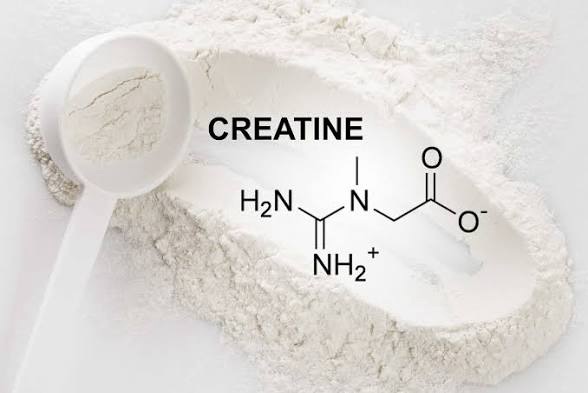
    Creatine Supplementation in Male and Female Athletes: An Evidence-Based Review of Mechanisms, Performance, Recovery and Sex-Specific Responses

    Introduction

    Creatine monohydrate is one of the most extensively researched and scientifically supported ergogenic aids in sport and exercise science. Contemporary consensus statements confirm that creatine is effective for improving high-intensity exercise performance, increasing lean mass and enhancing training adaptations across a wide range of populations (Kreider et al., 2022; Antonio et al., 2021). Unlike many supplements in sport, creatine has a consistently strong evidence base supported by systematic reviews and meta-analyses, particularly when combined with resistance training (Chilibeck et al., 2017; Candow et al., 2019; Forbes et al., 2021). Although the physiological mechanisms are similar between males and females, emerging evidence suggests sex-specific differences in creatine metabolism, baseline muscle creatine stores and hormonal regulation may influence responsiveness and practical application (Smith-Ryan et al., 2021; Delpino et al., 2022).

    Physiological Role and Mechanisms of Action

    Creatine functions primarily within the phosphagen energy system, supporting rapid ATP regeneration during high-intensity exercise. During maximal effort, ATP is rapidly depleted and resynthesised via phosphocreatine (PCr), catalysed by creatine kinase. Contemporary evidence confirms that creatine supplementation increases intramuscular total creatine and phosphocreatine stores, enhancing ATP resynthesis during repeated high-intensity efforts (Kreider et al., 2022; Forbes et al., 2021). Key physiological effects include increased phosphocreatine availability, enhanced sprint and resistance performance, improved training volume tolerance, intracellular hydration and upregulation of anabolic signalling pathways associated with hypertrophy (Kreider et al., 2022; Antonio et al., 2021). Cell swelling is considered an anabolic stimulus contributing to protein synthesis and reduced protein breakdown (Forbes et al., 2021).

    Creatine and Performance in Males

    Meta-analytical evidence consistently demonstrates creatine improves maximal strength, lean body mass, training volume and muscular hypertrophy when combined with resistance training (Chilibeck et al., 2017; Candow et al., 2019). A meta-analysis reported significantly greater increases in lean mass with creatine supplementation alongside resistance training compared with training alone (Chilibeck et al., 2017). More recent evidence confirms increases in lean body mass of approximately ~1 kg in trained and untrained populations (Delpino et al., 2022). Creatine also improves repeated sprint ability, peak power output and anaerobic performance capacity, making it highly relevant to team sports such as football, rugby and hockey (Kreider et al., 2022; Antonio et al., 2021).

    Creatine and Performance in Females

    Although historically underrepresented in research, recent systematic reviews demonstrate that females benefit from creatine supplementation in strength, high-intensity performance and lean mass adaptations (Smith-Ryan et al., 2021; Delpino et al., 2022). Females typically have lower baseline intramuscular creatine stores and dietary intake, which may influence responsiveness (Smith-Ryan et al., 2021). While absolute gains in lean mass are often smaller than in males, relative improvements are comparable when adjusted for baseline differences (Delpino et al., 2022). Evidence suggests creatine may be particularly relevant in female athletes due to hormonal influences on energy metabolism and creatine kinase activity across the menstrual cycle (Smith-Ryan et al., 2021).

    Creatine and the Menstrual Cycle

    Oestrogen and progesterone fluctuations influence substrate utilisation, neuromuscular performance, thermoregulation and fatigue perception. These hormonal changes may also influence creatine kinase activity and energy metabolism (Smith-Ryan et al., 2021). Although phase-specific intervention studies remain limited, creatine’s role in ATP resynthesis suggests potential benefits during phases of increased fatigue or reduced energy availability.

    Creatine, Recovery and Training Adaptation

    Creatine supplementation may enhance recovery between training sessions and improve tolerance to high training loads. Evidence suggests improvements in training volume capacity, reductions in muscle damage markers in some contexts and enhanced glycogen resynthesis when combined with carbohydrate intake (Antonio et al., 2021; Kreider et al., 2022). These effects are most pronounced when creatine is combined with structured resistance or high-intensity training programmes (Candow et al., 2019).

    Creatine and Cognitive Function

    Creatine plays a role in brain energy metabolism, and supplementation may improve working memory, processing speed and cognitive resilience under stress or sleep deprivation (Antonio et al., 2021; Kreider et al., 2022). These effects are most evident in conditions of metabolic stress, making creatine relevant for athletes experiencing travel, congestion, sleep disruption or high cognitive load. This may also be relevant for female athletes experiencing cyclical fatigue or hormonal fluctuations (Smith-Ryan et al., 2021).

    Creatine Across the Female Lifespan

    In adolescence, creatine supports strength and power development alongside training. During reproductive years, it supports high-intensity performance and recovery. In perimenopause and menopause, creatine combined with resistance training improves lean mass, strength and functional performance (Candow et al., 2019; Delpino et al., 2022). Bone health outcomes remain inconclusive, but functional improvements are consistently reported.

    Safety and Long-Term Use

    Consensus statements confirm creatine monohydrate is safe when used at recommended doses in healthy individuals (Kreider et al., 2022). Evidence does not support adverse effects on kidney function, liver function, hydration status or cramping risk (Antonio et al., 2021; Kreider et al., 2022). Long-term studies support its safety in both male and female populations.

    Practical Application

    Loading phase (optional): 20 g/day split into 4 doses for 5–7 days. Maintenance: 3–5 g/day. Alternatively, 3–5 g/day without loading achieves full saturation over ~3–4 weeks. Timing is not critical; total daily intake is the key factor (Antonio et al., 2021). Creatine monohydrate remains the gold standard due to its efficacy, safety, cost-effectiveness and evidence base (Kreider et al., 2022).

    Conclusion

    Creatine monohydrate is one of the most effective and well-supported supplements in sport science. Evidence demonstrates consistent benefits for strength, lean mass, high-intensity performance, recovery and cognition in both males and females. While males show greater absolute gains in lean mass, this is largely due to baseline physiological differences rather than differences in responsiveness. In females, creatine may have additional relevance due to hormonal fluctuations and lower baseline creatine stores. Overall, creatine should be considered a foundational evidence-based supplement for athletes across sexes and performance levels.


    References

    Antonio, J. et al. (2021) Journal of the International Society of Sports Nutrition, 18, pp.1–17.
    Candow, D.G. et al. (2019) Journal of Clinical Medicine, 8, 488.
    Chilibeck, P.D. et al. (2017) Open Access Journal of Sports Medicine, 8, pp.213–226.
    Delpino, F.M. et al. (2022) Nutrition, 103–104, 111791.
    Forbes, S.C. et al. (2021) Nutrients, 13(6), 1915.
    Kreider, R.B. et al. (2022) Journal of the International Society of Sports Nutrition, 19(1), pp.1–46.
    Smith-Ryan, A.E. et al. (2021) Nutrients, 13(3), 877.

  • Bone Health in Athletes: The Role of Energy Availability, Training Load and Stress Fracture Risk

    Bone Health in Athletes: The Role of Energy Availability, Training Load and Stress Fracture Risk

    Introduction

    Bone is a dynamic tissue that responds continuously to mechanical and metabolic stimuli. In athletic populations, bone health is determined by the interaction between mechanical loading, endocrine function, and energy availability rather than isolated nutrient intake alone (Turner, 1998; Tenforde and Fredericson, 2011).

    Although sports participation is generally associated with higher bone mineral density (BMD), certain training environments particularly those characterised by low energy availability are associated with impaired bone turnover and increased risk of stress injury (Mountjoy et al., 2018; Logue et al., 2020). This makes bone health a critical but often under-monitored determinant of long-term athletic performance and injury resilience.

    Bone Remodelling and Mechanotransduction in Sport

    Bone adapts to mechanical loading via remodelling, a process regulated by osteoblast and osteoclast activity. According to mechanostat theory, bone tissue responds to strain magnitude, rate, and frequency, increasing its structural strength when subjected to sufficient mechanical stress (Turner, 1998).

    High-impact, multidirectional loading sports stimulate osteogenesis more effectively than low-impact endurance activities. Evidence consistently shows higher BMD in athletes participating in sports involving jumping, sprinting, and rapid changes of direction compared with cycling or swimming (Tenforde and Fredericson, 2011).

    However, bone adaptation is not solely dependent on mechanical stimulus. Energy availability and endocrine function significantly modulate the remodelling response, with low energy availability attenuating bone formation despite mechanical loading exposure (Ihle and Loucks, 2004).

    Energy Availability as a Central Regulator of Bone Health

    Energy availability (EA), defined as dietary energy intake minus exercise energy expenditure relative to fat-free mass, is a primary determinant of physiological function in athletes (Loucks et al., 2011).

    Low energy availability impairs bone health through multiple mechanisms including suppression of bone formation markers such as osteocalcin and procollagen type 1 N-terminal propeptide (P1NP), alongside increased bone resorption markers such as C-terminal telopeptide (CTX) (Ihle and Loucks, 2004; Logue et al., 2020).

    Endocrine disruption is also central to this process. Low EA reduces insulin-like growth factor-1 (IGF-1), leptin, oestrogen, and testosterone, all of which are essential regulators of bone metabolism (Mountjoy et al., 2018). These hormonal changes shift bone turnover towards net resorption and impair recovery from microdamage accumulation.

    Stress Fractures and Bone Stress Injuries

    Bone stress injuries represent a continuum from periosteal oedema to cortical fracture and occur when repetitive submaximal loading exceeds the bone’s capacity for remodelling and repair (Warden et al., 2014).

    Key risk factors consistently identified in peer-reviewed literature include low energy availability, rapid increases in training load, prior stress fracture history, hormonal disturbances, and low bone mineral density (Mountjoy et al., 2018; Tenforde et al., 2015).

    Athletes with low energy availability exhibit significantly increased incidence of stress fractures due to impaired bone formation and delayed microdamage repair processes (Logue et al., 2020).

    Hormonal Regulation of Bone Metabolism in Athletes

    Bone remodelling is tightly regulated by endocrine signalling. Oestrogen and testosterone are critical for maintaining bone formation and inhibiting resorption (Mountjoy et al., 2018).

    In low energy availability states, oestrogen concentrations may decrease in female athletes, particularly in cases of functional hypothalamic amenorrhoea, while testosterone may also decline in male athletes. Insulin-like growth factor-1 (IGF-1) is suppressed, reducing osteoblastic activity, while cortisol may increase, promoting catabolic effects on bone tissue (Mountjoy et al., 2018).

    These endocrine changes collectively shift bone metabolism towards increased resorption and reduced formation.

    Mechanical Loading: Protective and Dose-Dependent Effects

    Mechanical loading remains one of the most potent stimuli for bone formation. High-impact loading generates strain-induced deformation and fluid flow within the bone matrix, triggering osteogenic responses (Turner, 1998).

    High-impact sports consistently demonstrate greater bone mineral density compared with low-impact endurance sports (Tenforde and Fredericson, 2011). Furthermore, plyometric and resistance training enhance site-specific bone strength adaptations (Tenforde et al., 2015).

    However, excessive repetitive loading without adequate recovery or energy availability results in microdamage accumulation and increased risk of bone stress injury (Warden et al., 2014).

    Nutrition and Bone Health: Beyond Calcium

    Energy availability is the primary nutritional determinant of bone health in athletes. Low energy availability suppresses bone formation even when calcium and vitamin D intake are adequate (Loucks et al., 2011; Mountjoy et al., 2018).

    Calcium plays a key role in bone mineralisation, but its effectiveness is dependent on hormonal status and energy balance. Vitamin D is essential for calcium absorption and bone metabolism, with deficiency associated with increased fracture risk in athletes (Close et al., 2013).

    Protein intake supports bone matrix formation and collagen synthesis. Evidence indicates that higher protein intakes do not negatively impact bone health when calcium intake is sufficient and may enhance IGF-1-mediated anabolic signalling (Shams-White et al., 2017).

    RED-S and Bone Health

    Relative Energy Deficiency in Sport (RED-S) describes impaired physiological function resulting from low energy availability. Bone health is one of the most significantly affected systems (Mountjoy et al., 2018).

    RED-S is associated with reduced bone formation markers, increased bone resorption, impaired attainment of peak bone mass, and increased stress fracture risk. Persistent low energy availability during key developmental periods may result in long-term deficits in bone mineral density (Mountjoy et al., 2018).

    Integration of Training Load and Energy Availability

    Bone adaptation is dependent on the interaction between mechanical loading and energy availability. Mechanical loading is only osteogenic when sufficient energy is available to support remodelling processes.

    When energy availability is low, the osteogenic response to loading is blunted, bone resorption exceeds formation, and adaptation to training is impaired. This explains the high incidence of bone stress injuries in athletes experiencing high training loads without adequate fuelling (Logue et al., 2020; Warden et al., 2014).

    Practical Implications for Athlete Management

    Optimising bone health in athletes requires a multi-factorial approach that includes maintaining adequate energy availability, structured mechanical loading, and appropriate nutritional support.

    Early identification of RED-S risk factors such as menstrual dysfunction, recurrent stress injury, fatigue, and rapid training load increases is essential for prevention (Mountjoy et al., 2018).

    Conclusion

    Bone health in athletes is governed primarily by the interaction between energy availability, endocrine function, and mechanical loading rather than isolated nutrient intake. Low energy availability is the most significant modifiable risk factor for impaired bone metabolism and stress injury development. Maintaining adequate energy availability alongside structured loading strategies is essential for optimal skeletal adaptation and injury prevention.

    References

    Close, G.L., Leckey, J., Patterson, M., et al. (2013) ‘Vitamin D and skeletal muscle strength in athletes’, Scandinavian Journal of Medicine & Science in Sports.

    Ihle, R. and Loucks, A.B. (2004) ‘Dose-response relationships between energy availability and bone turnover’, Journal of Bone and Mineral Research.

    Logue, D.M., Madigan, S.M., Melin, A., et al. (2020) ‘Low energy availability in athletes’, Sports Medicine.

    Loucks, A.B., Kiens, B. and Wright, H.H. (2011) ‘Energy availability in athletes’, Journal of Sports Sciences.

    Mountjoy, M., Sundgot-Borgen, J., Burke, L., et al. (2018) ‘IOC consensus statement on RED-S’, British Journal of Sports Medicine.

    Shams-White, M.M., Chung, M., et al. (2017) ‘Protein intake and bone health’, American Journal of Clinical Nutrition.

    Tenforde, A.S. and Fredericson, M. (2011) ‘Influence of sports participation on bone health’, Sports Health.

    Tenforde, A.S., et al. (2015) ‘Impact activity and bone density’, PM&R.

    Turner, C.H. (1998) ‘Three rules for bone adaptation’, Bone.

    Warden, S.J., Davis, I.S. and Fredericson, M. (2014) ‘Stress fracture biomechanics’, British Journal of Sports Medicine