Tag: menopause

  • Creatine Supplementation in Male and Female Athletes: An Evidence-Based Review of Mechanisms, Performance, Recovery and Sex-Specific Responses

    Creatine Supplementation in Male and Female Athletes: An Evidence-Based Review of Mechanisms, Performance, Recovery and Sex-Specific Responses

    Introduction

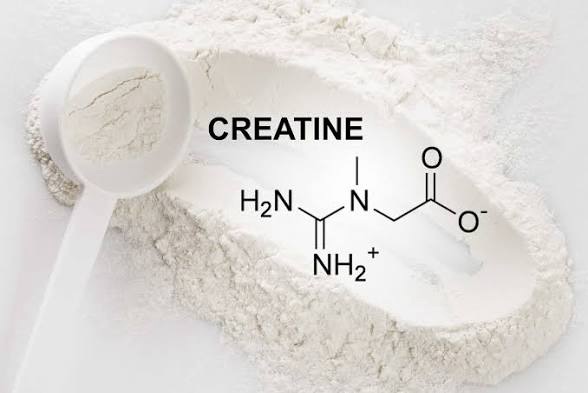
    Creatine monohydrate is one of the most extensively researched and scientifically supported ergogenic aids in sport and exercise science. Contemporary consensus statements confirm that creatine is effective for improving high-intensity exercise performance, increasing lean mass and enhancing training adaptations across a wide range of populations (Kreider et al., 2022; Antonio et al., 2021). Unlike many supplements in sport, creatine has a consistently strong evidence base supported by systematic reviews and meta-analyses, particularly when combined with resistance training (Chilibeck et al., 2017; Candow et al., 2019; Forbes et al., 2021). Although the physiological mechanisms are similar between males and females, emerging evidence suggests sex-specific differences in creatine metabolism, baseline muscle creatine stores and hormonal regulation may influence responsiveness and practical application (Smith-Ryan et al., 2021; Delpino et al., 2022).

    Physiological Role and Mechanisms of Action

    Creatine functions primarily within the phosphagen energy system, supporting rapid ATP regeneration during high-intensity exercise. During maximal effort, ATP is rapidly depleted and resynthesised via phosphocreatine (PCr), catalysed by creatine kinase. Contemporary evidence confirms that creatine supplementation increases intramuscular total creatine and phosphocreatine stores, enhancing ATP resynthesis during repeated high-intensity efforts (Kreider et al., 2022; Forbes et al., 2021). Key physiological effects include increased phosphocreatine availability, enhanced sprint and resistance performance, improved training volume tolerance, intracellular hydration and upregulation of anabolic signalling pathways associated with hypertrophy (Kreider et al., 2022; Antonio et al., 2021). Cell swelling is considered an anabolic stimulus contributing to protein synthesis and reduced protein breakdown (Forbes et al., 2021).

    Creatine and Performance in Males

    Meta-analytical evidence consistently demonstrates creatine improves maximal strength, lean body mass, training volume and muscular hypertrophy when combined with resistance training (Chilibeck et al., 2017; Candow et al., 2019). A meta-analysis reported significantly greater increases in lean mass with creatine supplementation alongside resistance training compared with training alone (Chilibeck et al., 2017). More recent evidence confirms increases in lean body mass of approximately ~1 kg in trained and untrained populations (Delpino et al., 2022). Creatine also improves repeated sprint ability, peak power output and anaerobic performance capacity, making it highly relevant to team sports such as football, rugby and hockey (Kreider et al., 2022; Antonio et al., 2021).

    Creatine and Performance in Females

    Although historically underrepresented in research, recent systematic reviews demonstrate that females benefit from creatine supplementation in strength, high-intensity performance and lean mass adaptations (Smith-Ryan et al., 2021; Delpino et al., 2022). Females typically have lower baseline intramuscular creatine stores and dietary intake, which may influence responsiveness (Smith-Ryan et al., 2021). While absolute gains in lean mass are often smaller than in males, relative improvements are comparable when adjusted for baseline differences (Delpino et al., 2022). Evidence suggests creatine may be particularly relevant in female athletes due to hormonal influences on energy metabolism and creatine kinase activity across the menstrual cycle (Smith-Ryan et al., 2021).

    Creatine and the Menstrual Cycle

    Oestrogen and progesterone fluctuations influence substrate utilisation, neuromuscular performance, thermoregulation and fatigue perception. These hormonal changes may also influence creatine kinase activity and energy metabolism (Smith-Ryan et al., 2021). Although phase-specific intervention studies remain limited, creatine’s role in ATP resynthesis suggests potential benefits during phases of increased fatigue or reduced energy availability.

    Creatine, Recovery and Training Adaptation

    Creatine supplementation may enhance recovery between training sessions and improve tolerance to high training loads. Evidence suggests improvements in training volume capacity, reductions in muscle damage markers in some contexts and enhanced glycogen resynthesis when combined with carbohydrate intake (Antonio et al., 2021; Kreider et al., 2022). These effects are most pronounced when creatine is combined with structured resistance or high-intensity training programmes (Candow et al., 2019).

    Creatine and Cognitive Function

    Creatine plays a role in brain energy metabolism, and supplementation may improve working memory, processing speed and cognitive resilience under stress or sleep deprivation (Antonio et al., 2021; Kreider et al., 2022). These effects are most evident in conditions of metabolic stress, making creatine relevant for athletes experiencing travel, congestion, sleep disruption or high cognitive load. This may also be relevant for female athletes experiencing cyclical fatigue or hormonal fluctuations (Smith-Ryan et al., 2021).

    Creatine Across the Female Lifespan

    In adolescence, creatine supports strength and power development alongside training. During reproductive years, it supports high-intensity performance and recovery. In perimenopause and menopause, creatine combined with resistance training improves lean mass, strength and functional performance (Candow et al., 2019; Delpino et al., 2022). Bone health outcomes remain inconclusive, but functional improvements are consistently reported.

    Safety and Long-Term Use

    Consensus statements confirm creatine monohydrate is safe when used at recommended doses in healthy individuals (Kreider et al., 2022). Evidence does not support adverse effects on kidney function, liver function, hydration status or cramping risk (Antonio et al., 2021; Kreider et al., 2022). Long-term studies support its safety in both male and female populations.

    Practical Application

    Loading phase (optional): 20 g/day split into 4 doses for 5–7 days. Maintenance: 3–5 g/day. Alternatively, 3–5 g/day without loading achieves full saturation over ~3–4 weeks. Timing is not critical; total daily intake is the key factor (Antonio et al., 2021). Creatine monohydrate remains the gold standard due to its efficacy, safety, cost-effectiveness and evidence base (Kreider et al., 2022).

    Conclusion

    Creatine monohydrate is one of the most effective and well-supported supplements in sport science. Evidence demonstrates consistent benefits for strength, lean mass, high-intensity performance, recovery and cognition in both males and females. While males show greater absolute gains in lean mass, this is largely due to baseline physiological differences rather than differences in responsiveness. In females, creatine may have additional relevance due to hormonal fluctuations and lower baseline creatine stores. Overall, creatine should be considered a foundational evidence-based supplement for athletes across sexes and performance levels.


    References

    Antonio, J. et al. (2021) Journal of the International Society of Sports Nutrition, 18, pp.1–17.
    Candow, D.G. et al. (2019) Journal of Clinical Medicine, 8, 488.
    Chilibeck, P.D. et al. (2017) Open Access Journal of Sports Medicine, 8, pp.213–226.
    Delpino, F.M. et al. (2022) Nutrition, 103–104, 111791.
    Forbes, S.C. et al. (2021) Nutrients, 13(6), 1915.
    Kreider, R.B. et al. (2022) Journal of the International Society of Sports Nutrition, 19(1), pp.1–46.
    Smith-Ryan, A.E. et al. (2021) Nutrients, 13(3), 877.

  • Bone Health in Athletes: The Role of Energy Availability, Training Load and Stress Fracture Risk

    Bone Health in Athletes: The Role of Energy Availability, Training Load and Stress Fracture Risk

    Introduction

    Bone is a dynamic tissue that responds continuously to mechanical and metabolic stimuli. In athletic populations, bone health is determined by the interaction between mechanical loading, endocrine function, and energy availability rather than isolated nutrient intake alone (Turner, 1998; Tenforde and Fredericson, 2011).

    Although sports participation is generally associated with higher bone mineral density (BMD), certain training environments particularly those characterised by low energy availability are associated with impaired bone turnover and increased risk of stress injury (Mountjoy et al., 2018; Logue et al., 2020). This makes bone health a critical but often under-monitored determinant of long-term athletic performance and injury resilience.

    Bone Remodelling and Mechanotransduction in Sport

    Bone adapts to mechanical loading via remodelling, a process regulated by osteoblast and osteoclast activity. According to mechanostat theory, bone tissue responds to strain magnitude, rate, and frequency, increasing its structural strength when subjected to sufficient mechanical stress (Turner, 1998).

    High-impact, multidirectional loading sports stimulate osteogenesis more effectively than low-impact endurance activities. Evidence consistently shows higher BMD in athletes participating in sports involving jumping, sprinting, and rapid changes of direction compared with cycling or swimming (Tenforde and Fredericson, 2011).

    However, bone adaptation is not solely dependent on mechanical stimulus. Energy availability and endocrine function significantly modulate the remodelling response, with low energy availability attenuating bone formation despite mechanical loading exposure (Ihle and Loucks, 2004).

    Energy Availability as a Central Regulator of Bone Health

    Energy availability (EA), defined as dietary energy intake minus exercise energy expenditure relative to fat-free mass, is a primary determinant of physiological function in athletes (Loucks et al., 2011).

    Low energy availability impairs bone health through multiple mechanisms including suppression of bone formation markers such as osteocalcin and procollagen type 1 N-terminal propeptide (P1NP), alongside increased bone resorption markers such as C-terminal telopeptide (CTX) (Ihle and Loucks, 2004; Logue et al., 2020).

    Endocrine disruption is also central to this process. Low EA reduces insulin-like growth factor-1 (IGF-1), leptin, oestrogen, and testosterone, all of which are essential regulators of bone metabolism (Mountjoy et al., 2018). These hormonal changes shift bone turnover towards net resorption and impair recovery from microdamage accumulation.

    Stress Fractures and Bone Stress Injuries

    Bone stress injuries represent a continuum from periosteal oedema to cortical fracture and occur when repetitive submaximal loading exceeds the bone’s capacity for remodelling and repair (Warden et al., 2014).

    Key risk factors consistently identified in peer-reviewed literature include low energy availability, rapid increases in training load, prior stress fracture history, hormonal disturbances, and low bone mineral density (Mountjoy et al., 2018; Tenforde et al., 2015).

    Athletes with low energy availability exhibit significantly increased incidence of stress fractures due to impaired bone formation and delayed microdamage repair processes (Logue et al., 2020).

    Hormonal Regulation of Bone Metabolism in Athletes

    Bone remodelling is tightly regulated by endocrine signalling. Oestrogen and testosterone are critical for maintaining bone formation and inhibiting resorption (Mountjoy et al., 2018).

    In low energy availability states, oestrogen concentrations may decrease in female athletes, particularly in cases of functional hypothalamic amenorrhoea, while testosterone may also decline in male athletes. Insulin-like growth factor-1 (IGF-1) is suppressed, reducing osteoblastic activity, while cortisol may increase, promoting catabolic effects on bone tissue (Mountjoy et al., 2018).

    These endocrine changes collectively shift bone metabolism towards increased resorption and reduced formation.

    Mechanical Loading: Protective and Dose-Dependent Effects

    Mechanical loading remains one of the most potent stimuli for bone formation. High-impact loading generates strain-induced deformation and fluid flow within the bone matrix, triggering osteogenic responses (Turner, 1998).

    High-impact sports consistently demonstrate greater bone mineral density compared with low-impact endurance sports (Tenforde and Fredericson, 2011). Furthermore, plyometric and resistance training enhance site-specific bone strength adaptations (Tenforde et al., 2015).

    However, excessive repetitive loading without adequate recovery or energy availability results in microdamage accumulation and increased risk of bone stress injury (Warden et al., 2014).

    Nutrition and Bone Health: Beyond Calcium

    Energy availability is the primary nutritional determinant of bone health in athletes. Low energy availability suppresses bone formation even when calcium and vitamin D intake are adequate (Loucks et al., 2011; Mountjoy et al., 2018).

    Calcium plays a key role in bone mineralisation, but its effectiveness is dependent on hormonal status and energy balance. Vitamin D is essential for calcium absorption and bone metabolism, with deficiency associated with increased fracture risk in athletes (Close et al., 2013).

    Protein intake supports bone matrix formation and collagen synthesis. Evidence indicates that higher protein intakes do not negatively impact bone health when calcium intake is sufficient and may enhance IGF-1-mediated anabolic signalling (Shams-White et al., 2017).

    RED-S and Bone Health

    Relative Energy Deficiency in Sport (RED-S) describes impaired physiological function resulting from low energy availability. Bone health is one of the most significantly affected systems (Mountjoy et al., 2018).

    RED-S is associated with reduced bone formation markers, increased bone resorption, impaired attainment of peak bone mass, and increased stress fracture risk. Persistent low energy availability during key developmental periods may result in long-term deficits in bone mineral density (Mountjoy et al., 2018).

    Integration of Training Load and Energy Availability

    Bone adaptation is dependent on the interaction between mechanical loading and energy availability. Mechanical loading is only osteogenic when sufficient energy is available to support remodelling processes.

    When energy availability is low, the osteogenic response to loading is blunted, bone resorption exceeds formation, and adaptation to training is impaired. This explains the high incidence of bone stress injuries in athletes experiencing high training loads without adequate fuelling (Logue et al., 2020; Warden et al., 2014).

    Practical Implications for Athlete Management

    Optimising bone health in athletes requires a multi-factorial approach that includes maintaining adequate energy availability, structured mechanical loading, and appropriate nutritional support.

    Early identification of RED-S risk factors such as menstrual dysfunction, recurrent stress injury, fatigue, and rapid training load increases is essential for prevention (Mountjoy et al., 2018).

    Conclusion

    Bone health in athletes is governed primarily by the interaction between energy availability, endocrine function, and mechanical loading rather than isolated nutrient intake. Low energy availability is the most significant modifiable risk factor for impaired bone metabolism and stress injury development. Maintaining adequate energy availability alongside structured loading strategies is essential for optimal skeletal adaptation and injury prevention.

    References

    Close, G.L., Leckey, J., Patterson, M., et al. (2013) ‘Vitamin D and skeletal muscle strength in athletes’, Scandinavian Journal of Medicine & Science in Sports.

    Ihle, R. and Loucks, A.B. (2004) ‘Dose-response relationships between energy availability and bone turnover’, Journal of Bone and Mineral Research.

    Logue, D.M., Madigan, S.M., Melin, A., et al. (2020) ‘Low energy availability in athletes’, Sports Medicine.

    Loucks, A.B., Kiens, B. and Wright, H.H. (2011) ‘Energy availability in athletes’, Journal of Sports Sciences.

    Mountjoy, M., Sundgot-Borgen, J., Burke, L., et al. (2018) ‘IOC consensus statement on RED-S’, British Journal of Sports Medicine.

    Shams-White, M.M., Chung, M., et al. (2017) ‘Protein intake and bone health’, American Journal of Clinical Nutrition.

    Tenforde, A.S. and Fredericson, M. (2011) ‘Influence of sports participation on bone health’, Sports Health.

    Tenforde, A.S., et al. (2015) ‘Impact activity and bone density’, PM&R.

    Turner, C.H. (1998) ‘Three rules for bone adaptation’, Bone.

    Warden, S.J., Davis, I.S. and Fredericson, M. (2014) ‘Stress fracture biomechanics’, British Journal of Sports Medicine

  • Sleep Optimisation for Athletes: A Critical Evidence-Based Review of Recovery, Behaviour and Performance

    Sleep Optimisation for Athletes: A Critical Evidence-Based Review of Recovery, Behaviour and Performance

    Introduction

    Sleep is widely recognised as a foundational biological process underpinning recovery, cognitive performance and physiological adaptation. In athletic populations, sleep is increasingly considered a modifiable performance variable alongside training load and nutrition. A consensus statement on sleep and the athlete reports that many athletes fail to achieve recommended sleep durations, particularly during periods of travel, competition and intensified training (Walsh et al., 2021). This article critically evaluates peer-reviewed evidence on sleep and athletic performance, with emphasis on physiological mechanisms, behavioural constraints and applied strategies relevant to coaches and athletes.

    Sleep Physiology and Performance-Relevant Functions

    Sleep consists of non-rapid eye movement (NREM) and rapid eye movement (REM) stages, both contributing to recovery and adaptation. Evidence indicates NREM sleep is associated with tissue repair, immune regulation and growth hormone secretion (Dattilo et al., 2011; Halson, 2014) while REM sleep is associated with memory consolidation and motor learning (Walker and Stickgold, 2006; Rasch and Born, 2013). Sleep is therefore involved in neuromuscular adaptation, cognitive processing and recovery from training load (Fullagar et al., 2015; Halson, 2014).

    Consequences of Sleep Restriction

    Sleep restriction has been associated with:

    • Impaired cognitive performance and reaction time (Lim and Dinges, 2010; Pilcher and Huffcutt, 1996)
    • Reduced endurance performance and increased perceived exertion (Fullagar et al., 2015; Halson, 2014)
    • Reduced sprint and sport-specific performance (Mah et al., 2011; Waterhouse et al., 2007)
    • Increased injury risk in youth athletes (Milewski et al., 2014; Watson, 2017)
    • Impaired glucose regulation and insulin sensitivity (Spiegel et al., 1999; Tasali et al., 2008)
    • Altered appetite regulation and increased energy intake (Taheri et al., 2004; St-Onge et al., 2016)

    Why Athletes Experience Sleep Disruption

    Evening training, elevated sympathetic activity, increased core temperature and travel all contribute to disrupted sleep patterns (Fullagar et al., 2015; Samuels, 2012).

    Lifestyle Behaviours and Sleep

    Video gaming, social media use, streaming and bedtime procrastination are all associated with delayed sleep onset and reduced sleep duration (Weaver et al., 2010; Levenson et al., 2017; Exelmans and Van den Bulck, 2016).

    Caffeine and Alcohol

    Caffeine reduces sleep duration and quality even when consumed up to 6 hours pre-bed (Drake et al., 2013). Alcohol disrupts REM sleep and increases nocturnal awakenings (Ebrahim et al., 2013).

    Sleep Extension and Napping

    Sleep extension improves sprint performance and reaction time in athletes (Mah et al., 2011). Short naps improve alertness and cognitive performance (Waterhouse et al., 2007).

    Sleep Hygiene

    Consistent routines and reduced evening stimulation improve subjective sleep quality but show variable objective effects (Irish et al., 2015).

    Nutritional Interventions and Sleep

    Nutrition may influence sleep via neurotransmitter synthesis, thermoregulation, glucose metabolism and circadian signalling, although the evidence base remains heterogeneous.

    Carbohydrate Timing and Glycaemic Response

    High glycaemic carbohydrate intake may reduce sleep onset latency via insulin-mediated amino acid shifts increasing tryptophan availability (Afaghi et al., 2007). However, systematic reviews highlight inconsistent findings and strong dependence on timing, dose and individual variability (St-Onge et al., 2016). In practice, carbohydrate intake should prioritise performance recovery rather than sleep manipulation.

    Protein Intake and Pre-Sleep Nutrition

    Pre-sleep protein ingestion does not impair sleep architecture and may support overnight muscle protein synthesis (Res et al., 2012; Trommelen and van Loon, 2016). However, there is no evidence that protein directly improves sleep quality, reinforcing its role in recovery rather than sleep optimisation.

    Tart Cherry Juice

    Tart cherry supplementation may improve sleep duration and efficiency, potentially via melatonin content and anti-inflammatory effects (Howatson et al., 2012; Pigeon et al., 2010). Evidence remains limited by small sample sizes and short trial durations.

    Glycine Supplementation

    Glycine may improve subjective sleep quality and reduce fatigue via thermoregulatory and inhibitory neurotransmission pathways (Inagawa et al., 2006; Bannai and Kawai, 2012). However, replication in athletic populations is lacking.

    Magnesium

    Magnesium influences neuromuscular excitability and stress regulation relevant to sleep physiology (Boyle et al., 2017). A randomised controlled trial showed improved sleep quality in older adults with insomnia symptoms (Abbasi et al., 2012). However, systematic reviews highlight limited and inconsistent evidence, with poor generalisability to young athletic populations (Boyle et al., 2017). Magnesium should therefore be targeted primarily at individuals with low dietary intake rather than used universally.

    Melatonin

    Melatonin is effective for circadian disruption such as jet lag but shows inconsistent benefits in healthy non-shifted populations (Herxheimer and Petrie, 2002; Ferracioli-Oda et al., 2013).

    Caffeine–Sleep Interaction

    Caffeine significantly impairs sleep duration and quality even when consumed 6 hours before bedtime (Drake et al., 2013; Clark and Landolt, 2017).

    Wearable Sleep Tracking

    Wearable devices are widely used in sport for sleep monitoring but show only moderate accuracy for total sleep time and poor accuracy for sleep staging compared with polysomnography (de Zambotti et al., 2018; Chinoy et al., 2021). Their primary value lies in tracking behavioural metrics such as sleep opportunity, bedtime consistency and wake timing rather than physiological sleep architecture. Athletic populations may experience further inaccuracies due to elevated heart rate and training stress. Psychological effects such as orthosomnia may also influence sleep perception. Wearables should therefore be used as behavioural monitoring tools rather than diagnostic instruments.

    Practical Recommendations (Evidence-Graded)

    Strong Evidence

    • Aim for 8–10 hours sleep opportunity per night (Walsh et al., 2021)
    • Avoid caffeine within 6 hours of sleep (Drake et al., 2013)
    • Avoid alcohol before bedtime (Ebrahim et al., 2013)
    • Maintain consistent sleep–wake schedules (Irish et al., 2015)

    Moderate Evidence

    • Sleep extension during heavy training (Mah et al., 2011)
    • Short naps (~20–30 min) for performance and alertness (Waterhouse et al., 2007)
    • Sleep hygiene strategies (Irish et al., 2015)
    • Reduce evening digital stimulation (Levenson et al., 2017)

    Emerging Evidence

    • Tart cherry supplementation (Howatson et al., 2012)
    • Glycine supplementation (Inagawa et al., 2006)
    • Melatonin for jet lag/circadian disruption (Ferracioli-Oda et al., 2013)

    Conclusion

    Sleep is a key recovery modulator in athletic performance, with strong evidence linking restriction to impaired cognitive, metabolic and physical outcomes. However, sleep is influenced by behavioural, nutritional and environmental factors including caffeine, alcohol, digital media use and training schedules. The strongest interventions remain behavioural: increasing sleep opportunity, reducing evening stimulation and maintaining consistent routines. Nutritional and technological interventions may offer adjunct support but remain secondary to foundational sleep behaviours.

    REFERENCES

    Abbasi, B. et al. (2012) ‘The effect of magnesium supplementation on primary insomnia in elderly: A double-blind placebo-controlled clinical trial’, Journal of Research in Medical Sciences.


    Afaghi, A. et al. (2007) ‘High-glycemic-index carbohydrate meals and sleep onset’, American Journal of Clinical Nutrition.


    Bannai, M. and Kawai, N. (2012) ‘New therapeutic strategy for amino acids in sleep’, Journal of Pharmacological Sciences.


    Boyle, N.B. et al. (2017) ‘The effects of magnesium supplementation on subjective anxiety and stress’, Nutrients.


    Clark, I. and Landolt, H. (2017) ‘Coffee, caffeine, and sleep’, Journal of Sleep Research.


    Dattilo, M. et al. (2011) ‘Sleep and muscle recovery’, Sports Medicine.


    de Zambotti, M. et al. (2018) ‘Wearable sleep technology accuracy’, Journal of Clinical Sleep Medicine.


    Drake, C. et al. (2013) ‘Caffeine effects on sleep’, Journal of Clinical Sleep Medicine.


    Ebrahim, I.O. et al. (2013) ‘Alcohol and sleep architecture’, Alcoholism: Clinical and Experimental Research.


    Exelmans, L. and Van den Bulck, J. (2016) ‘Bedtime procrastination’, Journal of Sleep Research.


    Ferracioli-Oda, E. et al. (2013) ‘Melatonin and sleep outcomes’, PLoS One.


    Fullagar, H.H.K. et al. (2015) ‘Sleep and athletic performance’, Sports Medicine.


    Halson, S.L. (2014) ‘Sleep in elite athletes’, Sports Medicine.


    Herxheimer, A. and Petrie, K.J. (2002) ‘Melatonin for jet lag’, Cochrane Database.


    Howatson, G. et al. (2012) ‘Tart cherry juice and recovery’, Scandinavian Journal of Medicine & Science in Sports.


    Inagawa, K. et al. (2006) ‘Glycine and sleep quality’, Journal of Pharmacological Sciences.


    Irish, L.A. et al. (2015) ‘Sleep hygiene review’, Sleep Medicine Reviews.


    King, D.L. et al. (2013) ‘Gaming and sleep’, Journal of Clinical Sleep Medicine.


    Kredlow, M.A. et al. (2015) ‘Sleep hygiene effectiveness’, Journal of Behavioral Medicine.


    Levenson, J.C. et al. (2017) ‘Social media use and sleep’, Preventive Medicine.


    Lim, J. and Dinges, D.F. (2010) ‘Sleep deprivation and cognition’, Psychological Bulletin.


    Mah, C.D. et al. (2011) ‘Sleep extension in athletes’, Sleep.


    Milewski, M.D. et al. (2014) ‘Sleep and injury risk’, Journal of Pediatric Orthopaedics.


    Pigeon, W.R. et al. (2010) ‘Tart cherry and sleep’, Journal of Medicinal Food.


    Rasch, B. and Born, J. (2013) ‘Sleep and memory’, Physiological Reviews.


    Res, P. et al. (2012) ‘Pre-sleep protein intake’, Medicine & Science in Sports & Exercise.


    Roehrs, T. and Roth, T. (2001) ‘Alcohol and sleep’, Alcohol Health Research World.


    Samuels, C. (2012) ‘Jet lag in athletes’, Sports Medicine.


    Spiegel, K. et al. (1999) ‘Sleep loss and glucose metabolism’, The Lancet.


    St-Onge, M.P. et al. (2016) ‘Sleep and nutrition’, Sleep Medicine Reviews.


    Taheri, S. et al. (2004) ‘Sleep and appetite regulation’, PLoS Medicine.
    Trommelen, J. and van Loon, L.J.C. (2016) ‘Pre-sleep protein’, Sports Medicine.


    Walker, M.P. and Stickgold, R. (2006) ‘Sleep and learning’, Annual Review of Psychology.


    Walsh, N.P. et al. (2021) ‘Sleep and the athlete consensus’, British Journal of Sports Medicine.


    Waterhouse, J. et al. (2007) ‘Napping and performance’, Chronobiology International.


    Watson, A.M. (2017) ‘Sleep and injury risk’, Sleep Health.


    Weaver, E. et al. (2010) ‘Gaming and sleep disruption’, Journal of Clinical Sleep Medicine.

  • Nutrition for the Menstrual Cycle: Physiology-Based Fueling Strategies for Female Athletes

    Introduction: Why the Menstrual Cycle Matters in Sports Nutrition

    The menstrual cycle is a complex endocrine rhythm governed by the hypothalamic–pituitary–ovarian (HPO) axis. It produces cyclical fluctuations in oestrogen and progesterone that influence nearly every physiological system relevant to sport:

    • Substrate utilisation (fat vs carbohydrate oxidation)
    • Glycogen storage and insulin sensitivity
    • Thermoregulation and heat tolerance
    • Fluid balance and plasma volume
    • Neuromuscular function and connective tissue properties
    • Mood, appetite regulation, and central nervous system drive

    Despite this, the scientific literature consistently highlights that performance effects across the cycle are small, variable, and highly individual, largely due to methodological limitations in cycle tracking and hormone verification (Elliott-Sale et al., 2021).

    Therefore, the most effective approach is not rigid “cycle syncing”, but physiology-led, flexible nutrition periodisation.

    Endocrine Overview: What is Actually Changing?

    The menstrual cycle is typically 21–35 days and is divided into follicular and luteal phases, with ovulation occurring mid-cycle.

    Key hormones and their roles

    Oestrogen (17β-oestradiol)

    • Increases fat oxidation during submaximal exercise
    • Enhances insulin sensitivity
    • Supports endothelial function and blood flow
    • Influences neuromuscular efficiency and central fatigue tolerance

    Progesterone

    • Thermogenic effect (raises core temperature)
    • Increases ventilation (respiratory drive)
    • May increase protein catabolism and glycogen utilisation
    • Can reduce gastrointestinal motility

    (Oosthuyse and Bosch, 2010)

    Menstrual Phase (Day 1–5): Low Hormones, High Inflammatory Activity

    Physiology in detail

    The menstrual phase begins with endometrial shedding, triggered by a sharp decline in both oestrogen and progesterone. This withdrawal leads to:

    Inflammatory cascade

    • Increased prostaglandin production
    • Uterine smooth muscle contraction (cramping)
    • Elevated local inflammatory signalling

    Systemic effects

    • Reduced circulating oestradiol
    • Lower resting core temperature
    • Potential transient reductions in plasma volume
    • Increased perceived fatigue in some individuals

    Importantly, iron loss is the most nutritionally significant factor, especially in athletes with heavy menstrual bleeding or low ferritin status.

    Performance implications

    • No consistent reduction in maximal strength or aerobic capacity in controlled studies
    • Higher inter-individual variability in perceived exertion
    • Pain and fatigue can indirectly reduce training output

    (Elliott-Sale et al., 2021)

    Nutrition strategy (mechanistic focus)

    1. Iron restoration and oxygen transport support

    Menstrual bleeding increases iron turnover, and iron is essential for:

    • Haemoglobin (oxygen transport)
    • Myoglobin (muscle oxygen storage)
    • Mitochondrial electron transport chain enzymes

    Strategy:

    • Heme iron: red meat, liver, poultry
    • Non-heme iron: legumes, spinach, fortified grains
    • Combine with vitamin C to enhance ferric → ferrous conversion

    (Beard and Tobin, 2000)

    Performance rationale:
    Low ferritin reduces VO₂max, increases fatigue, and impairs endurance efficiency.

    2. Prostaglandin and inflammation modulation

    • Omega-3 fatty acids reduce inflammatory eicosanoid production
    • Polyphenols may reduce oxidative stress and perceived pain

    3. Energy stability

    • Maintain carbohydrate intake to support serotonin synthesis
    • Prevent hypoglycaemia-related fatigue amplification

    Follicular Phase (Day 1–13): Rising Oestrogen and Increasing Metabolic Efficiency

    Physiology in detail

    The follicular phase begins with menstruation and continues until ovulation. It is characterised by:

    • Gradual rise in oestradiol
    • Low progesterone
    • Improved insulin sensitivity
    • Increased glucose uptake efficiency in muscle tissue

    Oestrogen also enhances:

    • Lipolysis (fat mobilisation)
    • Glycogen sparing during submaximal exercise
    • Vascular dilation and blood flow

    (Oosthuyse and Bosch, 2010)

    Performance implications

    This phase is often associated (not universally) with:

    • Better tolerance to high-intensity training
    • Improved training adaptation potential
    • Lower perceived exertion in some athletes

    However, meta-analytical evidence shows no consistent performance advantage when hormone confirmation is used (McNulty et al., 2020).

    Nutrition strategy (performance periodisation model)

    1. Carbohydrate periodisation (key lever)

    Improved insulin sensitivity supports:

    • Higher glycogen synthesis rates
    • More efficient glucose uptake (GLUT-4 activity)

    Application:

    • Higher carbohydrate availability around key training sessions
    • Fuel harder sessions more aggressively

    2. Protein synthesis optimisation

    Muscle protein synthesis is not cycle-dependent in a clinically meaningful way, but adequate intake remains essential:

    • 1.6–2.2 g/kg/day protein
    • 0.3–0.4 g/kg per meal

    (Phillips and Van Loon, 2011)

    3. Training adaptation window

    This phase may be optimal for:

    • Strength development blocks
    • High-intensity interval training
    • Volume progression phases

    Ovulatory Phase (Day ~12–16): Hormonal Peak and Transition Stress Point

    Physiology in detail

    Ovulation is triggered by an LH surge, preceded by peak oestradiol levels. This results in:

    • Follicle rupture and oocyte release
    • Short-term inflammatory response
    • Rapid hormonal transition (oestrogen → progesterone shift begins)
    • Slight thermoregulatory variability

    (Oosthuyse and Bosch, 2010)

    Performance considerations

    Research findings are mixed:

    • Some studies show small improvements in power output
    • Others show no meaningful change
    • Variability is largely due to individual response differences

    (Elliott-Sale et al., 2021)

    Nutrition strategy

    1. Oxidative stress buffering

    Hormonal peaks may increase reactive oxygen species in some contexts:

    • Polyphenols (berries, green tea, cocoa)
    • Omega-3 fatty acids

    2. Hydration and plasma stability

    • Maintain sodium and fluid balance
    • Support cardiovascular stability during training

    3. Energy consistency

    Avoid under-fuelling during hormonal transition phases due to:

    • Increased physiological variability
    • Potential appetite fluctuations

    Luteal Phase (Day 16–28): Elevated Metabolic Demand and Thermoregulatory Stress

    Physiology in detail

    The luteal phase is dominated by progesterone, which drives:

    Metabolic effects

    • Increased resting metabolic rate (~2–10%)
    • Increased oxygen consumption at rest
    • Greater carbohydrate oxidation during exercise

    Thermoregulatory effects

    • Increased core temperature (~0.3–0.5°C)
    • Reduced heat dissipation efficiency
    • Increased sweat rate variability

    Neurometabolic effects

    • Increased ventilation rate
    • Higher perceived exertion
    • Potential serotonin fluctuations influencing appetite

    (Smith and Steege, 2003)

    Performance implications

    • Increased strain in hot environments
    • Higher carbohydrate dependency during exercise
    • Greater perception of effort at same workload

    However, when energy intake is matched, performance decrements are not consistently observed (McNulty et al., 2020).

    Nutrition strategy (key performance phase)

    1. Energy availability adjustment (critical)

    Due to increased metabolic rate:

    • +90–300 kcal/day (individualised)
    • Prioritise energy availability for recovery and adaptation

    2. Carbohydrate emphasis (glycogen reliance increases)

    Progesterone increases glucose utilisation during exercise:

    • Maintain consistent carbohydrate intake
    • Prioritise pre- and post-training fuelling

    3. Micronutrient and neurotransmitter support

    Magnesium

    • Muscle relaxation
    • Sleep quality
    • Neuromuscular regulation

    Vitamin B6

    • Neurotransmitter synthesis (serotonin, dopamine pathways)
    • Mood regulation support

    4. Gastrointestinal management

    Progesterone slows GI transit:

    • Reduce excessive fibre pre-training
    • Choose low-FODMAP carbohydrate sources if needed
    • Avoid large high-fat meals close to exercise

    5. Thermoregulation strategy

    • Increased fluid and sodium intake in hot conditions
    • Cooling strategies for endurance sessions

    Critical Scientific Perspective: What the Evidence Actually Shows

    Despite strong physiological mechanisms, the current consensus is:

    Menstrual cycle phase effects on performance are small, inconsistent, and highly individual when rigorous study designs are used (Elliott-Sale et al., 2021).

    Key limitations in research

    • Lack of hormone confirmation (many studies rely on calendar tracking)
    • Small sample sizes
    • High inter-individual variability
    • Confounding from training status, nutrition, and sleep

    Applied Summary

    Menstrual phase

    Focus: iron + inflammation + energy stability

    Follicular phase

    Focus: carbohydrate availability + training progression

    Ovulation

    Focus: hydration + antioxidant support + consistency

    Luteal phase

    Focus: increased energy intake + carb support + thermoregulation

    Conclusion

    The menstrual cycle is best understood not as a limitation, but as a dynamic physiological framework influencing metabolism and recovery capacity.

    The strongest applied nutrition model is:

    • Maintain energy availability across all phases
    • Adjust carbohydrate intake to metabolic demand
    • Support iron status and micronutrient needs
    • Individualise based on symptoms and training load

    This approach aligns with current sports science consensus and avoids overinterpretation of cycle-based performance claims.

    References

    Beard, J.L. and Tobin, B. (2000) ‘Iron status and exercise’, The American Journal of Clinical Nutrition, 72(2), pp. 594S–597S.

    Elliott-Sale, K.J., McNulty, K.L., Ansdell, P., et al. (2021) ‘Methodological considerations for studies in the menstrual cycle in female athletes’, Sports Medicine, 51(4), pp. 843–861.

    McNulty, K.L., Elliott-Sale, K.J., Dolan, E., et al. (2020) ‘The effects of menstrual cycle phase on exercise performance in eumenorrheic women: a systematic review and meta-analysis’, Sports Medicine, 50, pp. 1813–1827.

    Oosthuyse, T. and Bosch, A.N. (2010) ‘The effect of the menstrual cycle on exercise metabolism: implications for exercise performance in eumenorrheic women’, Sports Medicine, 40(3), pp. 207–227.

    Phillips, S.M. and Van Loon, L.J.C. (2011) ‘Dietary protein for athletes: from requirements to optimum adaptation’, Journal of Sports Sciences, 29(S1), pp. S29–S38.

    Smith, R.L. and Steege, J.F. (2003) ‘The menstrual cycle and exercise performance’, Clinical Sports Medicine, 22(3), pp. 351–372.

  • Behaviour Change and Nutrition: The Key to Consistency

    Whether you’re aiming to build muscle, lose fat, or enhance performance, your nutrition habits are just as important as your training program. But sticking to a diet plan whether it’s a bulking phase, a cutting cycle, or performance nutrition can be harder than hitting a heavy squat. The real challenge isn’t knowing what to eat; it’s changing your behaviour to make it happen consistently.

    This is where behaviour change science comes in. Grounded in psychology, behaviour change strategies can help gym goers, athletes and well honestly, anyone! overcome common barriers like poor planning, low motivation, and decision fatigue turning good intentions into real results.

    Why Motivation Alone Isn’t Enough

    You might start a new meal plan feeling motivated and ready. But motivation fluctuates. To stay consistent long-term, you need more than willpower you need systems and strategies.

    According to the COM-B model, behaviour is driven by three things: Capability, Opportunity, and Motivation (Michie et al., 2011). In a gym context, this might look like:

    Capability: Do you have the cooking skills and nutrition knowledge? Opportunity: Is your environment helping or hindering your eating goals? Motivation: Are you clear on why you’re doing this?

    Addressing all three areas sets you up for long-term adherence not just short-term compliance.

    Habit Formation and Meal Consistency

    For athletes and recreational lifters, habit formation is key. The Health Action Process Approach (HAPA) highlights the difference between intention and action. You might plan to prep meals or hit your macros but without planning, tracking, and adjusting, those intentions often fall flat (Schwarzer, 2008).

    Using tools like MyFitnessPal (or other apps), food scales, and prep routines helps build consistency. Research shows that self-monitoring—tracking what you eat—is one of the most powerful predictors of success in fat loss and muscle gain (Chen et al., 2023).

    Digital Tools for Diet Adherence

    A 2023 meta-analysis confirmed that using nutrition tracking apps significantly improves dietary behaviours and outcomes in people aiming to lose fat or gain lean mass (Chen et al., 2023). These tools don’t just count calories they give real-time feedback, help you spot trends, and reinforce accountability.

    Other behaviour change techniques (BCTs) proven to support gym-related goals include:

    SMART goal-setting (Specific, Measurable, Achievable, Relevant, Time-bound)

    If then planning (e.g., “If I get hungry post-workout, then I’ll have a protein shake”)

    Social support (training partners or online communities)

    Why Most Meal Plans Fail (And How to Fix It)

    Many people fall off their meal plans not because they’re “lazy” or “undisciplined,” but because their approach doesn’t match their lifestyle or values. According to the Theory of Planned Behaviour (TPB), intentions alone aren’t enough people must also believe they have control over their environment and the ability to follow through (Ajzen, 1991).

    That’s why environmental restructuring like prepping meals in advance, keeping snacks out of sight, or having protein options ready post-training is critical. Your environment should make the right choice the easy choice.

    The Bigger Picture: Stress, Sleep, and Social Support

    Behaviour change science also reminds us that diet doesn’t happen in isolation. Poor sleep, stress, or a lack of social support can derail even the best plan. The Science of Behavior Change (SOBC) program by NIH highlights how self-regulation, stress management, and habit loops can be modified to enhance results (NIH, 2023).

    In other words, you don’t need to grind harder you need to train smarter, eat smarter, and structure your environment and mindset for success.

    Conclusion

    If you’ve ever struggled to stay consistent with your nutrition while training hard, you’re not alone and you’re not lacking discipline. You’re just missing the behaviour change strategies that align your habits with your goals.

    By applying science-based models like COM-B, HAPA, and TPB, and using tools like tracking apps, habit systems, and structured planning, you can finally bridge the gap between training and nutrition and unlock your full potential in the gym.

    If you want structured support to improve nutrition behaviour change and long term performance, get in touch

    References

    Ajzen, I., 1991. The theory of planned behavior. Organizational Behavior and Human Decision Processes, 50(2), pp.179–211.

    Chen, J., Cade, J.E. and Allman-Farinelli, M., 2023. The effectiveness of nutrition apps in improving dietary behaviours and health outcomes: a systematic review and meta-analysis. Public Health Nutrition, 26(1), pp.1–12.

    Greaves, C.J., Sheppard, K.E., Abraham, C., Hardeman, W., Roden, M., Evans, P.H. and Schwarz, P., 2011. Systematic review of reviews of intervention components associated with increased effectiveness in dietary and physical activity interventions. BMC Public Health, 11(1), p.119.

    Lee, R.M., Fischer, C., Caballero, P., and Andersson, E., 2022. Behaviour change nutrition interventions and their effectiveness: a systematic review of global public health outcomes. PLOS Global Public Health, 2(9), p.e0000401.

    Michie, S., Atkins, L., and West, R., 2014. The Behaviour Change Wheel: A Guide to Designing Interventions. London: Silverback Publishing.

    Michie, S., van Stralen, M.M. and West, R., 2011. The behaviour change wheel: A new method for characterising and designing behaviour change interventions. Implementation Science, 6(1), p.42.

    NIH Common Fund, 2023. Science of Behavior Change (SOBC). [online] Available at: https://commonfund.nih.gov/science-behavior-change-sobc [Accessed 18 May 2025].

    Schwarzer, R., 2008. Modeling health behavior change: How to predict and modify the adoption and maintenance of health behaviors. Applied Psychology, 57(1), pp.1–29.

  • Contraceptives and Weight Gain in Women: What Does the Science Say?

    Introduction

    The relationship between contraceptive use and weight gain has been a topic of debate for decades. Many women report weight changes after starting hormonal contraceptives, but is there scientific evidence to support this? This blog post reviews the current literature on how different types of contraceptives may influence body weight and composition.

    Types of Contraceptives and Their Potential Impact on Weight

    1. Combined Oral Contraceptives (COCs)

    COCs contain both estrogen and progestin and are one of the most commonly used contraceptive methods. Early versions of the pill contained high doses of estrogen, which were linked to water retention and weight gain (Lopez et al., 2016). However, modern low-dose formulations appear to have minimal effects on weight. A Cochrane review analyzing 49 trials found no significant evidence that COCs cause clinically meaningful weight gain (Lopez et al., 2016).

    2. Progestin-Only Pills (POPs)

    Progestin-only pills (also called the “mini-pill”) are sometimes preferred for women who cannot take estrogen. Limited evidence suggests that POPs do not significantly contribute to weight gain. However, some studies report increased appetite as a side effect, which could indirectly influence weight (Berenson et al., 2009).

    3. Injectable Contraceptives (Depo-Provera)

    Depot medroxyprogesterone acetate (DMPA), commonly known as Depo-Provera, has the strongest link to weight gain. Studies show that women using DMPA for a year or longer tend to gain an average of 2–3 kg, with some individuals experiencing even greater increases (Berenson et al., 2009). This weight gain is likely due to increased appetite and fat accumulation rather than water retention.

    4. Hormonal Implants and IUDs

    Implants (e.g., Nexplanon) and hormonal intrauterine devices (IUDs) release progestin over an extended period. Some research indicates that implants may lead to modest weight gain, whereas hormonal IUDs generally do not cause significant changes (Modesto et al., 2015). However, individual responses vary.

    5. Non-Hormonal Contraceptives

    Barrier methods (e.g., condoms, diaphragms) and copper IUDs do not influence hormones and therefore do not contribute to weight changes.

    Potential Mechanisms Behind Contraceptive-Related Weight Gain

    Several theories explain why some women experience weight gain while using hormonal contraceptives:

    • Increased appetite: Some progestins can stimulate appetite, leading to higher caloric intake.
    • Fluid retention: Estrogen can cause mild water retention, but this is typically temporary.
    • Changes in metabolism: Some evidence suggests that contraceptives might slightly alter metabolism and fat distribution.

    Individual Variability and Lifestyle Factors

    It’s important to recognize that weight gain while using contraceptives is not universal. Lifestyle factors, including diet, exercise, and genetics, play a significant role in weight changes. Some women may gain weight due to life-stage factors rather than the contraceptive itself.

    Conclusion

    The belief that all contraceptives cause weight gain is a common misconception. While some methods, particularly DMPA injections, have been linked to increased weight, others (such as COCs and IUDs) show minimal or no significant effects in most women. Women concerned about weight changes should discuss contraceptive options with their healthcare provider to find a method that best suits their needs.

    References

    • Berenson, A. B., Rahman, M., & Wilkinson, G. S. (2009). Weight gain among adolescents using depot medroxyprogesterone acetate versus oral contraceptives. Pediatrics, 124(2), e281-e289.
    • Lopez, L. M., Edelman, A., Chen, M., & Otterness, C. (2016). Progestin‐only contraceptives: effects on weight. Cochrane Database of Systematic Reviews, 2016(8).
    • Modesto, W., de Nazaré Silva dos Santos, P., Correia, V. M., Borges, J. C., Bahamondes, L., & Bahamondes, M. V. (2015). Body weight and composition in users of levonorgestrel-releasing intrauterine system. Contraception, 91(6), 495-500.