Tag: Running

  • Parent Football Nutrition Guide: Fuelling Young Players Effectively

    Parent Football Nutrition Guide: Fuelling Young Players Effectively

    Youth football nutrition plays a key role in energy levels, recovery, focus, and consistency across the training week. Many young players are not underperforming because of fitness or talent, but because of inconsistent fuelling and hydration patterns across the day. This guide explains how parents can support practical, realistic nutrition habits that directly improve performance, recovery, and wellbeing.

    Why youth football nutrition matters

    Football is a high-intensity intermittent sport involving repeated sprints, rapid changes of direction, physical contact, and constant decision-making under fatigue. These actions rely heavily on muscle glycogen, the body’s stored form of carbohydrate. When glycogen levels drop, performance declines, particularly in repeated sprint ability and late-game intensity (Bangsbo et al., 2006; Burke et al., 2011). This often presents as players starting strongly but fading in the second half, reduced reaction speed, and slower decision-making under pressure.

    In children and adolescents, this is compounded by growth demands, meaning energy is also required for:

    • Muscle repair and adaptation
    • Bone growth
    • Hormonal development
    • Cognitive function

    (Gibson et al., 2011)


    1. Pre-training and pre-match nutrition (football pre match meal)

    The goal before football is to ensure sufficient carbohydrate availability to support high-intensity performance throughout the session or match (Burke et al., 2011). Think of this as “fuel loading” rather than just eating to stop hunger.

    2–3 hours before training or match (main meal)

    This meal should:

    • Top up carbohydrate stores (main fuel source)
    • Provide moderate protein for muscle support
    • Be low in fat and easy to digest

    Examples:

    • Pasta with chicken in tomato sauce
    • Rice with chicken or turkey
    • Wraps with chicken and light sauce + fruit
    • Cereal with milk, banana, and yoghurt
    • Toast with scrambled eggs and fruit juice

    Avoid meals that are too light (e.g. fruit or yogurt alone), as they do not provide enough energy for high-intensity performance.


    30–60 minutes before exercise (optional snack)

    Useful if there is a long gap since the last meal or the player feels hungry.

    Examples:

    • Banana
    • Cereal bar
    • Yogurt pouch
    • Toast with honey

    This helps maintain blood glucose availability early in exercise (Jeukendrup, 2014).


    2. Hydration for young footballers

    Even mild dehydration can reduce reaction time, concentration, and endurance performance (Thomas et al., 2016). Children are especially vulnerable because they often:

    • Forget to drink during school
    • Don’t recognise early thirst
    • Become distracted during play

    Practical approach:

    • Encourage regular drinking throughout the day
    • Use small, frequent sips during training
    • Rehydrate after sessions at home

    Simple check:

    • Pale yellow urine usually indicates good hydration status

    3. During training and matches

    For most youth football sessions under 90 minutes:

    • Water is sufficient
    • No structured fuelling is needed

    For tournaments or hot conditions:

    • Hydration becomes more important
    • Fluid loss can significantly impact later performance

    A common issue is performance drop-off in later games due to cumulative dehydration and reduced energy availability (Burke et al., 2011).


    4. Football recovery nutrition (post training nutrition)

    Recovery is where many young players lose performance consistency without realising it. After football, the body needs to:

    • Refill muscle glycogen
    • Repair muscle tissue
    • Restore fluid balance

    Recovery is most effective when nutrition is consumed within 1–2 hours post exercise (Burke et al., 2017).

    Best recovery approach: carbohydrate + protein

    Examples:

    • Chicken and rice
    • Tuna sandwich + fruit + yogurt
    • Milk smoothie with banana and oats
    • Eggs on toast + milk
    • Yogurt with granola and berries

    Poor recovery nutrition can lead to:

    • Increased fatigue
    • Reduced performance in next session
    • Slower weekly recovery cycle

    5. Daily youth athlete nutrition habits

    Consistency across the week is more important than match-day nutrition strategies (Desbrow et al., 2014).

    Key habits:

    • Eat breakfast every day
    • Avoid long gaps between meals
    • Include carbohydrates at most meals
    • Include protein for growth and repair
    • Eat fruit and vegetables daily
    • Maintain regular hydration

    Many young athletes under-fuel during school hours, which reduces evening training quality (Gibson et al., 2011).


    6. Travel nutrition for football matches

    Away games often disrupt normal eating routines, which can negatively affect performance (Burke et al., 2011).

    Common issues:

    • Missed meals before travel
    • Long gaps without food
    • Reliance on convenience snacks
    • Nervous appetite suppression

    Practical strategy:

    • Eat a carbohydrate-based meal before leaving home
    • Bring familiar, easy-to-eat foods

    Examples:

    • Sandwiches
    • Fruit
    • Cereal bars
    • Yogurts
    • Water

    Avoid relying on unfamiliar venue food options.


    7. Common youth football nutrition mistakes

    • Under-fuelling disguised as “healthy eating” (fruit or yogurt alone is not enough energy)
    • Skipping recovery meals after training (reduces glycogen restoration)
    • Hydration only on match days rather than daily
    • Over-reliance on supplements instead of food-first nutrition (Thomas et al., 2016)

    8. Warning signs of poor football nutrition

    Look for:

    • Early fatigue in training
    • Drop-off in second-half performance
    • Poor concentration late in sessions
    • Slow recovery between training days
    • Frequent minor illness
    • Heavy legs during warm-ups

    These are often nutrition-related rather than fitness-related (Gibson et al., 2011).


    9. Energy availability and development

    Energy availability is the energy left after exercise that supports growth and normal body function.

    Low energy availability can affect:

    • Growth and development
    • Bone health
    • Recovery capacity
    • Injury risk
    • Training adaptation

    (Gibson et al., 2011; Thomas et al., 2016)

    This usually develops gradually through small daily deficits rather than intentional restriction.


    Conclusion

    Effective youth football nutrition is built on:

    • Adequate fuelling before activity (Burke et al., 2011)
    • Consistent hydration habits (Thomas et al., 2016)
    • Structured recovery nutrition (Burke et al., 2017)

    Small improvements in these areas can significantly improve performance, recovery, and enjoyment of football.


    Final note for parents

    Every young footballer is different, and nutrition needs vary based on training load, growth stage, and individual response. If you are unsure whether your child is fuelling correctly for football, or you would like personalised support tailored to their schedule and development, you can get in touch for expert nutrition guidance.
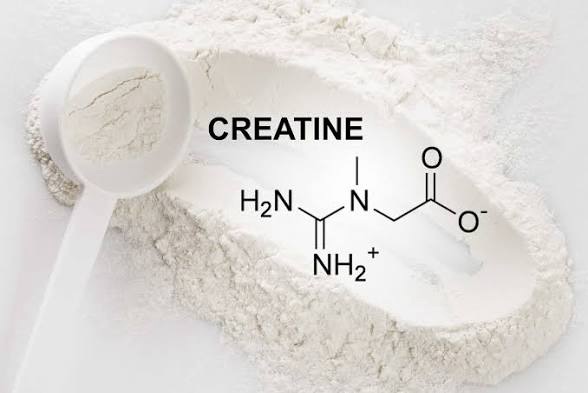
  • Creatine Supplementation in Male and Female Athletes: An Evidence-Based Review of Mechanisms, Performance, Recovery and Sex-Specific Responses

    Creatine Supplementation in Male and Female Athletes: An Evidence-Based Review of Mechanisms, Performance, Recovery and Sex-Specific Responses

    Introduction

    Creatine monohydrate is one of the most extensively researched and scientifically supported ergogenic aids in sport and exercise science. Contemporary consensus statements confirm that creatine is effective for improving high-intensity exercise performance, increasing lean mass and enhancing training adaptations across a wide range of populations (Kreider et al., 2022; Antonio et al., 2021). Unlike many supplements in sport, creatine has a consistently strong evidence base supported by systematic reviews and meta-analyses, particularly when combined with resistance training (Chilibeck et al., 2017; Candow et al., 2019; Forbes et al., 2021). Although the physiological mechanisms are similar between males and females, emerging evidence suggests sex-specific differences in creatine metabolism, baseline muscle creatine stores and hormonal regulation may influence responsiveness and practical application (Smith-Ryan et al., 2021; Delpino et al., 2022).

    Physiological Role and Mechanisms of Action

    Creatine functions primarily within the phosphagen energy system, supporting rapid ATP regeneration during high-intensity exercise. During maximal effort, ATP is rapidly depleted and resynthesised via phosphocreatine (PCr), catalysed by creatine kinase. Contemporary evidence confirms that creatine supplementation increases intramuscular total creatine and phosphocreatine stores, enhancing ATP resynthesis during repeated high-intensity efforts (Kreider et al., 2022; Forbes et al., 2021). Key physiological effects include increased phosphocreatine availability, enhanced sprint and resistance performance, improved training volume tolerance, intracellular hydration and upregulation of anabolic signalling pathways associated with hypertrophy (Kreider et al., 2022; Antonio et al., 2021). Cell swelling is considered an anabolic stimulus contributing to protein synthesis and reduced protein breakdown (Forbes et al., 2021).

    Creatine and Performance in Males

    Meta-analytical evidence consistently demonstrates creatine improves maximal strength, lean body mass, training volume and muscular hypertrophy when combined with resistance training (Chilibeck et al., 2017; Candow et al., 2019). A meta-analysis reported significantly greater increases in lean mass with creatine supplementation alongside resistance training compared with training alone (Chilibeck et al., 2017). More recent evidence confirms increases in lean body mass of approximately ~1 kg in trained and untrained populations (Delpino et al., 2022). Creatine also improves repeated sprint ability, peak power output and anaerobic performance capacity, making it highly relevant to team sports such as football, rugby and hockey (Kreider et al., 2022; Antonio et al., 2021).

    Creatine and Performance in Females

    Although historically underrepresented in research, recent systematic reviews demonstrate that females benefit from creatine supplementation in strength, high-intensity performance and lean mass adaptations (Smith-Ryan et al., 2021; Delpino et al., 2022). Females typically have lower baseline intramuscular creatine stores and dietary intake, which may influence responsiveness (Smith-Ryan et al., 2021). While absolute gains in lean mass are often smaller than in males, relative improvements are comparable when adjusted for baseline differences (Delpino et al., 2022). Evidence suggests creatine may be particularly relevant in female athletes due to hormonal influences on energy metabolism and creatine kinase activity across the menstrual cycle (Smith-Ryan et al., 2021).

    Creatine and the Menstrual Cycle

    Oestrogen and progesterone fluctuations influence substrate utilisation, neuromuscular performance, thermoregulation and fatigue perception. These hormonal changes may also influence creatine kinase activity and energy metabolism (Smith-Ryan et al., 2021). Although phase-specific intervention studies remain limited, creatine’s role in ATP resynthesis suggests potential benefits during phases of increased fatigue or reduced energy availability.

    Creatine, Recovery and Training Adaptation

    Creatine supplementation may enhance recovery between training sessions and improve tolerance to high training loads. Evidence suggests improvements in training volume capacity, reductions in muscle damage markers in some contexts and enhanced glycogen resynthesis when combined with carbohydrate intake (Antonio et al., 2021; Kreider et al., 2022). These effects are most pronounced when creatine is combined with structured resistance or high-intensity training programmes (Candow et al., 2019).

    Creatine and Cognitive Function

    Creatine plays a role in brain energy metabolism, and supplementation may improve working memory, processing speed and cognitive resilience under stress or sleep deprivation (Antonio et al., 2021; Kreider et al., 2022). These effects are most evident in conditions of metabolic stress, making creatine relevant for athletes experiencing travel, congestion, sleep disruption or high cognitive load. This may also be relevant for female athletes experiencing cyclical fatigue or hormonal fluctuations (Smith-Ryan et al., 2021).

    Creatine Across the Female Lifespan

    In adolescence, creatine supports strength and power development alongside training. During reproductive years, it supports high-intensity performance and recovery. In perimenopause and menopause, creatine combined with resistance training improves lean mass, strength and functional performance (Candow et al., 2019; Delpino et al., 2022). Bone health outcomes remain inconclusive, but functional improvements are consistently reported.

    Safety and Long-Term Use

    Consensus statements confirm creatine monohydrate is safe when used at recommended doses in healthy individuals (Kreider et al., 2022). Evidence does not support adverse effects on kidney function, liver function, hydration status or cramping risk (Antonio et al., 2021; Kreider et al., 2022). Long-term studies support its safety in both male and female populations.

    Practical Application

    Loading phase (optional): 20 g/day split into 4 doses for 5–7 days. Maintenance: 3–5 g/day. Alternatively, 3–5 g/day without loading achieves full saturation over ~3–4 weeks. Timing is not critical; total daily intake is the key factor (Antonio et al., 2021). Creatine monohydrate remains the gold standard due to its efficacy, safety, cost-effectiveness and evidence base (Kreider et al., 2022).

    Conclusion

    Creatine monohydrate is one of the most effective and well-supported supplements in sport science. Evidence demonstrates consistent benefits for strength, lean mass, high-intensity performance, recovery and cognition in both males and females. While males show greater absolute gains in lean mass, this is largely due to baseline physiological differences rather than differences in responsiveness. In females, creatine may have additional relevance due to hormonal fluctuations and lower baseline creatine stores. Overall, creatine should be considered a foundational evidence-based supplement for athletes across sexes and performance levels.


    References

    Antonio, J. et al. (2021) Journal of the International Society of Sports Nutrition, 18, pp.1–17.
    Candow, D.G. et al. (2019) Journal of Clinical Medicine, 8, 488.
    Chilibeck, P.D. et al. (2017) Open Access Journal of Sports Medicine, 8, pp.213–226.
    Delpino, F.M. et al. (2022) Nutrition, 103–104, 111791.
    Forbes, S.C. et al. (2021) Nutrients, 13(6), 1915.
    Kreider, R.B. et al. (2022) Journal of the International Society of Sports Nutrition, 19(1), pp.1–46.
    Smith-Ryan, A.E. et al. (2021) Nutrients, 13(3), 877.

  • Bone Health in Athletes: The Role of Energy Availability, Training Load and Stress Fracture Risk

    Bone Health in Athletes: The Role of Energy Availability, Training Load and Stress Fracture Risk

    Introduction

    Bone is a dynamic tissue that responds continuously to mechanical and metabolic stimuli. In athletic populations, bone health is determined by the interaction between mechanical loading, endocrine function, and energy availability rather than isolated nutrient intake alone (Turner, 1998; Tenforde and Fredericson, 2011).

    Although sports participation is generally associated with higher bone mineral density (BMD), certain training environments particularly those characterised by low energy availability are associated with impaired bone turnover and increased risk of stress injury (Mountjoy et al., 2018; Logue et al., 2020). This makes bone health a critical but often under-monitored determinant of long-term athletic performance and injury resilience.

    Bone Remodelling and Mechanotransduction in Sport

    Bone adapts to mechanical loading via remodelling, a process regulated by osteoblast and osteoclast activity. According to mechanostat theory, bone tissue responds to strain magnitude, rate, and frequency, increasing its structural strength when subjected to sufficient mechanical stress (Turner, 1998).

    High-impact, multidirectional loading sports stimulate osteogenesis more effectively than low-impact endurance activities. Evidence consistently shows higher BMD in athletes participating in sports involving jumping, sprinting, and rapid changes of direction compared with cycling or swimming (Tenforde and Fredericson, 2011).

    However, bone adaptation is not solely dependent on mechanical stimulus. Energy availability and endocrine function significantly modulate the remodelling response, with low energy availability attenuating bone formation despite mechanical loading exposure (Ihle and Loucks, 2004).

    Energy Availability as a Central Regulator of Bone Health

    Energy availability (EA), defined as dietary energy intake minus exercise energy expenditure relative to fat-free mass, is a primary determinant of physiological function in athletes (Loucks et al., 2011).

    Low energy availability impairs bone health through multiple mechanisms including suppression of bone formation markers such as osteocalcin and procollagen type 1 N-terminal propeptide (P1NP), alongside increased bone resorption markers such as C-terminal telopeptide (CTX) (Ihle and Loucks, 2004; Logue et al., 2020).

    Endocrine disruption is also central to this process. Low EA reduces insulin-like growth factor-1 (IGF-1), leptin, oestrogen, and testosterone, all of which are essential regulators of bone metabolism (Mountjoy et al., 2018). These hormonal changes shift bone turnover towards net resorption and impair recovery from microdamage accumulation.

    Stress Fractures and Bone Stress Injuries

    Bone stress injuries represent a continuum from periosteal oedema to cortical fracture and occur when repetitive submaximal loading exceeds the bone’s capacity for remodelling and repair (Warden et al., 2014).

    Key risk factors consistently identified in peer-reviewed literature include low energy availability, rapid increases in training load, prior stress fracture history, hormonal disturbances, and low bone mineral density (Mountjoy et al., 2018; Tenforde et al., 2015).

    Athletes with low energy availability exhibit significantly increased incidence of stress fractures due to impaired bone formation and delayed microdamage repair processes (Logue et al., 2020).

    Hormonal Regulation of Bone Metabolism in Athletes

    Bone remodelling is tightly regulated by endocrine signalling. Oestrogen and testosterone are critical for maintaining bone formation and inhibiting resorption (Mountjoy et al., 2018).

    In low energy availability states, oestrogen concentrations may decrease in female athletes, particularly in cases of functional hypothalamic amenorrhoea, while testosterone may also decline in male athletes. Insulin-like growth factor-1 (IGF-1) is suppressed, reducing osteoblastic activity, while cortisol may increase, promoting catabolic effects on bone tissue (Mountjoy et al., 2018).

    These endocrine changes collectively shift bone metabolism towards increased resorption and reduced formation.

    Mechanical Loading: Protective and Dose-Dependent Effects

    Mechanical loading remains one of the most potent stimuli for bone formation. High-impact loading generates strain-induced deformation and fluid flow within the bone matrix, triggering osteogenic responses (Turner, 1998).

    High-impact sports consistently demonstrate greater bone mineral density compared with low-impact endurance sports (Tenforde and Fredericson, 2011). Furthermore, plyometric and resistance training enhance site-specific bone strength adaptations (Tenforde et al., 2015).

    However, excessive repetitive loading without adequate recovery or energy availability results in microdamage accumulation and increased risk of bone stress injury (Warden et al., 2014).

    Nutrition and Bone Health: Beyond Calcium

    Energy availability is the primary nutritional determinant of bone health in athletes. Low energy availability suppresses bone formation even when calcium and vitamin D intake are adequate (Loucks et al., 2011; Mountjoy et al., 2018).

    Calcium plays a key role in bone mineralisation, but its effectiveness is dependent on hormonal status and energy balance. Vitamin D is essential for calcium absorption and bone metabolism, with deficiency associated with increased fracture risk in athletes (Close et al., 2013).

    Protein intake supports bone matrix formation and collagen synthesis. Evidence indicates that higher protein intakes do not negatively impact bone health when calcium intake is sufficient and may enhance IGF-1-mediated anabolic signalling (Shams-White et al., 2017).

    RED-S and Bone Health

    Relative Energy Deficiency in Sport (RED-S) describes impaired physiological function resulting from low energy availability. Bone health is one of the most significantly affected systems (Mountjoy et al., 2018).

    RED-S is associated with reduced bone formation markers, increased bone resorption, impaired attainment of peak bone mass, and increased stress fracture risk. Persistent low energy availability during key developmental periods may result in long-term deficits in bone mineral density (Mountjoy et al., 2018).

    Integration of Training Load and Energy Availability

    Bone adaptation is dependent on the interaction between mechanical loading and energy availability. Mechanical loading is only osteogenic when sufficient energy is available to support remodelling processes.

    When energy availability is low, the osteogenic response to loading is blunted, bone resorption exceeds formation, and adaptation to training is impaired. This explains the high incidence of bone stress injuries in athletes experiencing high training loads without adequate fuelling (Logue et al., 2020; Warden et al., 2014).

    Practical Implications for Athlete Management

    Optimising bone health in athletes requires a multi-factorial approach that includes maintaining adequate energy availability, structured mechanical loading, and appropriate nutritional support.

    Early identification of RED-S risk factors such as menstrual dysfunction, recurrent stress injury, fatigue, and rapid training load increases is essential for prevention (Mountjoy et al., 2018).

    Conclusion

    Bone health in athletes is governed primarily by the interaction between energy availability, endocrine function, and mechanical loading rather than isolated nutrient intake. Low energy availability is the most significant modifiable risk factor for impaired bone metabolism and stress injury development. Maintaining adequate energy availability alongside structured loading strategies is essential for optimal skeletal adaptation and injury prevention.

    References

    Close, G.L., Leckey, J., Patterson, M., et al. (2013) ‘Vitamin D and skeletal muscle strength in athletes’, Scandinavian Journal of Medicine & Science in Sports.

    Ihle, R. and Loucks, A.B. (2004) ‘Dose-response relationships between energy availability and bone turnover’, Journal of Bone and Mineral Research.

    Logue, D.M., Madigan, S.M., Melin, A., et al. (2020) ‘Low energy availability in athletes’, Sports Medicine.

    Loucks, A.B., Kiens, B. and Wright, H.H. (2011) ‘Energy availability in athletes’, Journal of Sports Sciences.

    Mountjoy, M., Sundgot-Borgen, J., Burke, L., et al. (2018) ‘IOC consensus statement on RED-S’, British Journal of Sports Medicine.

    Shams-White, M.M., Chung, M., et al. (2017) ‘Protein intake and bone health’, American Journal of Clinical Nutrition.

    Tenforde, A.S. and Fredericson, M. (2011) ‘Influence of sports participation on bone health’, Sports Health.

    Tenforde, A.S., et al. (2015) ‘Impact activity and bone density’, PM&R.

    Turner, C.H. (1998) ‘Three rules for bone adaptation’, Bone.

    Warden, S.J., Davis, I.S. and Fredericson, M. (2014) ‘Stress fracture biomechanics’, British Journal of Sports Medicine

  • Continuous Glucose Monitoring in Healthy Individuals: Evidence, Interpretation, and Practical Value Beyond Clinical Use

    Continuous Glucose Monitoring in Healthy Individuals: Evidence, Interpretation, and Practical Value Beyond Clinical Use

    Introduction

    Continuous glucose monitoring (CGM) systems are well established in diabetes care, where strong evidence demonstrates improvements in glycaemic variability, time in range, and hypoglycaemia prevention in both type 1 and insulin-treated type 2 diabetes populations (Battelino et al., 2019; Beck et al., 2017). In recent years, CGMs have increasingly been adopted by individuals without diabetes for purposes such as dietary optimisation, metabolic health tracking, and performance monitoring. This expansion reflects interest in precision nutrition, although evidence supporting clinical benefit in healthy populations remains limited (Liao et al., 2026). The key question is whether additional metabolic data improves outcomes in already well-regulated physiology.

    Physiological Basis of CGM Technology

    CGMs measure glucose in interstitial fluid using enzymatic sensors. Interstitial glucose is physiologically linked to blood glucose but is not identical. A consistent limitation is the time lag between blood and interstitial compartments, typically 5–15 minutes depending on metabolic state and perfusion (Torimoto and Okada, 2021). This lag becomes more pronounced during rapid changes such as postprandial absorption or exercise. Accuracy is also influenced by sensor kinetics, calibration algorithms, and tissue-level variability. Facchinetti (2016) notes that CGM accuracy is generally acceptable in diabetic ranges but is reduced at lower glucose levels and during rapid glycaemic shifts, which are more typical in healthy individuals. This means CGM outputs in normoglycaemic populations should be interpreted as trend-based estimates rather than precise biochemical measurements.

    Inter-Individual Variability in Glycaemic Response

    A key rationale for CGM use in personalised nutrition is inter-individual variability in postprandial glycaemic responses (PPGRs). Zeevi et al. (2015) demonstrated that identical meals produce highly variable glucose responses driven by factors including microbiome composition, insulin sensitivity, sleep, and anthropometrics. Their machine-learning model was able to predict PPGRs and showed that personalised dietary interventions could reduce postprandial glucose excursions. Mendes-Soares et al. (2019) replicated these findings in an independent cohort, confirming that glycaemic responses are highly individualised. Mechanistically, variability reflects differences in gastric emptying, insulin secretion dynamics, hepatic glucose output, and peripheral glucose uptake. However, variability in physiological response does not necessarily imply that reducing all glucose excursions improves long-term health outcomes.

    CGM Effects in Non-Diabetic Populations

    The most comprehensive synthesis of evidence is provided by Liao et al. (2026), who conducted a systematic review and meta-analysis of CGM use in non-diabetic populations. They reported small reductions in mean glucose and improved dietary awareness, but no consistent improvements in BMI, glycaemic variability, or long-term metabolic outcomes in healthy individuals. Benefits were more evident in individuals with impaired glucose regulation, suggesting CGM utility may be dependent on baseline metabolic status. These findings indicate CGMs function more effectively as behavioural feedback tools than as metabolic intervention devices in healthy populations.

    Do Postprandial Glucose Spikes Matter?

    Postprandial increases in glucose are a normal physiological response to carbohydrate ingestion. In healthy individuals, glucose homeostasis is maintained through coordinated insulin secretion, hepatic regulation, and peripheral uptake. DeFronzo et al. (2015) describe these responses as central to metabolic flexibility rather than pathological dysfunction. While glycaemic variability has been associated with adverse outcomes in diabetic populations, causality in healthy individuals is not established. No randomised controlled trials demonstrate that reducing physiological glucose excursions improves cardiovascular outcomes, body composition, or longevity in normoglycaemic populations.

    CGM Accuracy and Interpretation Limitations

    CGM interpretation is limited by both physiological and technical factors. Interstitial lag introduces temporal discrepancy between blood and tissue glucose (Torimoto and Okada, 2021). Sensor accuracy decreases during rapid glucose fluctuations and at lower glucose ranges (Facchinetti, 2016). In healthy individuals, where glucose variability is relatively small, these limitations may disproportionately influence interpretation, increasing the risk of misclassifying normal physiological variation as meaningful metabolic disturbance.

    Behavioural and Psychological Considerations

    CGMs provide continuous physiological feedback, which can influence behaviour. Vettoretti et al. (2020) highlight that while CGMs may improve awareness of dietary patterns, continuous monitoring can also increase cognitive load and attention bias toward short-term fluctuations. This may lead to over-interpretation of normal glucose variability, increased dietary restriction, and reduced dietary flexibility in some individuals. Importantly, there is no evidence that focusing on minimising all glucose excursions improves dietary quality or long-term health outcomes in healthy populations.

    CGMs in Sport and Exercise

    CGMs are increasingly used in athletic populations to monitor carbohydrate availability, fuelling strategies, and recovery nutrition. However, exercise significantly alters glucose kinetics through catecholamine-mediated hepatic glucose output, increased skeletal muscle uptake, and changes in insulin sensitivity. These physiological responses complicate interpretation of CGM data during training and recovery. Jeukendrup (2017) notes that while carbohydrate availability is central to performance, there is no strong evidence that CGM-guided nutrition improves athletic performance outcomes in controlled trials.

    Future Directions: Precision Nutrition

    CGMs are being integrated into precision nutrition models alongside microbiome and dietary data. Zeevi et al. (2015) and Mendes-Soares et al. (2019) demonstrated that machine-learning approaches can predict individual glycaemic responses with moderate accuracy, supporting the concept of metabolic phenotyping. However, translation into clinical practice remains limited due to lack of long-term outcome data, limited external validity, and absence of large-scale randomised controlled trials demonstrating clinical benefit.

    Practical Implications

    Current evidence suggests CGMs may improve short-term dietary awareness and engagement behaviours (Liao et al., 2026). Individual variability in glycaemic response is well established (Zeevi et al., 2015), but does not justify routine intervention in healthy populations. Physiological glucose excursions are not inherently harmful (DeFronzo et al., 2015). CGM data must be interpreted cautiously due to physiological lag and measurement limitations (Facchinetti, 2016). Behavioural effects may be beneficial or maladaptive depending on the individual context (Vettoretti et al., 2020).

    Are CGMs Worth Using in Healthy Individuals?

    In healthy individuals, CGMs are not currently supported as a routine metabolic optimisation tool. Evidence suggests their primary value is educational and behavioural rather than clinical. They may help increase awareness of dietary patterns and individual variability but do not currently demonstrate improvements in body composition, performance, or long-term health outcomes (Liao et al., 2026). In individuals with impaired glucose regulation, CGMs may have greater utility as part of lifestyle intervention strategies. In athletes, CGMs may provide descriptive insights into fuelling responses but lack evidence for performance enhancement. Overall, CGMs should be considered informational rather than interventional tools in healthy populations.

    Conclusion

    Continuous glucose monitoring is a well-established clinical tool in diabetes management and an emerging technology in personalised nutrition. However, current evidence does not support routine use in healthy individuals for improving metabolic health, performance, or body composition. While CGMs provide valuable insight into inter-individual variability in glycaemic responses, physiological glucose excursions in healthy individuals are not inherently pathological, and the clinical significance of modifying them remains unproven. CGMs are best viewed as research and educational tools rather than essential health optimisation devices in normoglycaemic populations.

    FREE! 40 High Protein Performance Snacks Recipe E-Book Below

    References

    Battelino, T., Danne, T., Bergenstal, R.M., Amiel, S.A., Beck, R., Biester, T., et al. (2019) ‘Clinical targets for continuous glucose monitoring data interpretation: recommendations from the international consensus on time in range’, Diabetes Care, 42(8), pp. 1593–1603.

    Beck, R.W., Riddlesworth, T.D., Ruedy, K., Ahmann, A., Bergenstal, R., Haller, S. (2017) ‘Effect of continuous glucose monitoring on glycemic control in adults with type 1 diabetes using insulin injections’, Annals of Internal Medicine, 167(6), pp. 365–374.

    DeFronzo, R.A., Ferrannini, E., Groop, L., Henry, R.R., Herman, W.H., Holst, J.J., et al. (2015) ‘Type 2 diabetes mellitus’, Diabetes Care, 38(1), pp. 142–150.

    Facchinetti, A. (2016) ‘Continuous glucose monitoring sensors: past, present and future algorithmic challenges’, Sensors, 16(12), 2098.

    Jeukendrup, A.E. (2017) ‘Periodized nutrition for athletes’, Sports Medicine, 47(S1), pp. 51–63.

    Liao, X., et al. (2026) ‘Continuous glucose monitoring in non-diabetic individuals: systematic review and meta-analysis’, European Journal of Medical Research, 31, pp. 1–15.

    Mendes-Soares, H., et al. (2019) ‘Assessment of a personalized approach to predicting postprandial glycemic responses’, Cell Host & Microbe, 26(3), pp. 424–435.

    Torimoto, K. and Okada, Y. (2021) ‘Accuracy and limitations of continuous glucose monitoring systems’, Diabetology International, 12, pp. 1–10.

    Vettoretti, M., Facchinetti, A. and Sparacino, G. (2020) ‘Continuous glucose monitoring: interpretation and behavioural implications’, Diabetes Technology & Therapeutics, 22(9), pp. 1–10.

    Zeevi, D., Korem, T., Zmora, N., Israeli, D., Rothschild, D., Weinberger, A., et al. (2015) ‘Personalized nutrition by prediction of glycemic responses’, Cell, 163(5), pp. 1079–1094

  • Sleep Optimisation for Athletes: A Critical Evidence-Based Review of Recovery, Behaviour and Performance

    Sleep Optimisation for Athletes: A Critical Evidence-Based Review of Recovery, Behaviour and Performance

    Introduction

    Sleep is widely recognised as a foundational biological process underpinning recovery, cognitive performance and physiological adaptation. In athletic populations, sleep is increasingly considered a modifiable performance variable alongside training load and nutrition. A consensus statement on sleep and the athlete reports that many athletes fail to achieve recommended sleep durations, particularly during periods of travel, competition and intensified training (Walsh et al., 2021). This article critically evaluates peer-reviewed evidence on sleep and athletic performance, with emphasis on physiological mechanisms, behavioural constraints and applied strategies relevant to coaches and athletes.

    Sleep Physiology and Performance-Relevant Functions

    Sleep consists of non-rapid eye movement (NREM) and rapid eye movement (REM) stages, both contributing to recovery and adaptation. Evidence indicates NREM sleep is associated with tissue repair, immune regulation and growth hormone secretion (Dattilo et al., 2011; Halson, 2014) while REM sleep is associated with memory consolidation and motor learning (Walker and Stickgold, 2006; Rasch and Born, 2013). Sleep is therefore involved in neuromuscular adaptation, cognitive processing and recovery from training load (Fullagar et al., 2015; Halson, 2014).

    Consequences of Sleep Restriction

    Sleep restriction has been associated with:

    • Impaired cognitive performance and reaction time (Lim and Dinges, 2010; Pilcher and Huffcutt, 1996)
    • Reduced endurance performance and increased perceived exertion (Fullagar et al., 2015; Halson, 2014)
    • Reduced sprint and sport-specific performance (Mah et al., 2011; Waterhouse et al., 2007)
    • Increased injury risk in youth athletes (Milewski et al., 2014; Watson, 2017)
    • Impaired glucose regulation and insulin sensitivity (Spiegel et al., 1999; Tasali et al., 2008)
    • Altered appetite regulation and increased energy intake (Taheri et al., 2004; St-Onge et al., 2016)

    Why Athletes Experience Sleep Disruption

    Evening training, elevated sympathetic activity, increased core temperature and travel all contribute to disrupted sleep patterns (Fullagar et al., 2015; Samuels, 2012).

    Lifestyle Behaviours and Sleep

    Video gaming, social media use, streaming and bedtime procrastination are all associated with delayed sleep onset and reduced sleep duration (Weaver et al., 2010; Levenson et al., 2017; Exelmans and Van den Bulck, 2016).

    Caffeine and Alcohol

    Caffeine reduces sleep duration and quality even when consumed up to 6 hours pre-bed (Drake et al., 2013). Alcohol disrupts REM sleep and increases nocturnal awakenings (Ebrahim et al., 2013).

    Sleep Extension and Napping

    Sleep extension improves sprint performance and reaction time in athletes (Mah et al., 2011). Short naps improve alertness and cognitive performance (Waterhouse et al., 2007).

    Sleep Hygiene

    Consistent routines and reduced evening stimulation improve subjective sleep quality but show variable objective effects (Irish et al., 2015).

    Nutritional Interventions and Sleep

    Nutrition may influence sleep via neurotransmitter synthesis, thermoregulation, glucose metabolism and circadian signalling, although the evidence base remains heterogeneous.

    Carbohydrate Timing and Glycaemic Response

    High glycaemic carbohydrate intake may reduce sleep onset latency via insulin-mediated amino acid shifts increasing tryptophan availability (Afaghi et al., 2007). However, systematic reviews highlight inconsistent findings and strong dependence on timing, dose and individual variability (St-Onge et al., 2016). In practice, carbohydrate intake should prioritise performance recovery rather than sleep manipulation.

    Protein Intake and Pre-Sleep Nutrition

    Pre-sleep protein ingestion does not impair sleep architecture and may support overnight muscle protein synthesis (Res et al., 2012; Trommelen and van Loon, 2016). However, there is no evidence that protein directly improves sleep quality, reinforcing its role in recovery rather than sleep optimisation.

    Tart Cherry Juice

    Tart cherry supplementation may improve sleep duration and efficiency, potentially via melatonin content and anti-inflammatory effects (Howatson et al., 2012; Pigeon et al., 2010). Evidence remains limited by small sample sizes and short trial durations.

    Glycine Supplementation

    Glycine may improve subjective sleep quality and reduce fatigue via thermoregulatory and inhibitory neurotransmission pathways (Inagawa et al., 2006; Bannai and Kawai, 2012). However, replication in athletic populations is lacking.

    Magnesium

    Magnesium influences neuromuscular excitability and stress regulation relevant to sleep physiology (Boyle et al., 2017). A randomised controlled trial showed improved sleep quality in older adults with insomnia symptoms (Abbasi et al., 2012). However, systematic reviews highlight limited and inconsistent evidence, with poor generalisability to young athletic populations (Boyle et al., 2017). Magnesium should therefore be targeted primarily at individuals with low dietary intake rather than used universally.

    Melatonin

    Melatonin is effective for circadian disruption such as jet lag but shows inconsistent benefits in healthy non-shifted populations (Herxheimer and Petrie, 2002; Ferracioli-Oda et al., 2013).

    Caffeine–Sleep Interaction

    Caffeine significantly impairs sleep duration and quality even when consumed 6 hours before bedtime (Drake et al., 2013; Clark and Landolt, 2017).

    Wearable Sleep Tracking

    Wearable devices are widely used in sport for sleep monitoring but show only moderate accuracy for total sleep time and poor accuracy for sleep staging compared with polysomnography (de Zambotti et al., 2018; Chinoy et al., 2021). Their primary value lies in tracking behavioural metrics such as sleep opportunity, bedtime consistency and wake timing rather than physiological sleep architecture. Athletic populations may experience further inaccuracies due to elevated heart rate and training stress. Psychological effects such as orthosomnia may also influence sleep perception. Wearables should therefore be used as behavioural monitoring tools rather than diagnostic instruments.

    Practical Recommendations (Evidence-Graded)

    Strong Evidence

    • Aim for 8–10 hours sleep opportunity per night (Walsh et al., 2021)
    • Avoid caffeine within 6 hours of sleep (Drake et al., 2013)
    • Avoid alcohol before bedtime (Ebrahim et al., 2013)
    • Maintain consistent sleep–wake schedules (Irish et al., 2015)

    Moderate Evidence

    • Sleep extension during heavy training (Mah et al., 2011)
    • Short naps (~20–30 min) for performance and alertness (Waterhouse et al., 2007)
    • Sleep hygiene strategies (Irish et al., 2015)
    • Reduce evening digital stimulation (Levenson et al., 2017)

    Emerging Evidence

    • Tart cherry supplementation (Howatson et al., 2012)
    • Glycine supplementation (Inagawa et al., 2006)
    • Melatonin for jet lag/circadian disruption (Ferracioli-Oda et al., 2013)

    Conclusion

    Sleep is a key recovery modulator in athletic performance, with strong evidence linking restriction to impaired cognitive, metabolic and physical outcomes. However, sleep is influenced by behavioural, nutritional and environmental factors including caffeine, alcohol, digital media use and training schedules. The strongest interventions remain behavioural: increasing sleep opportunity, reducing evening stimulation and maintaining consistent routines. Nutritional and technological interventions may offer adjunct support but remain secondary to foundational sleep behaviours.

    REFERENCES

    Abbasi, B. et al. (2012) ‘The effect of magnesium supplementation on primary insomnia in elderly: A double-blind placebo-controlled clinical trial’, Journal of Research in Medical Sciences.


    Afaghi, A. et al. (2007) ‘High-glycemic-index carbohydrate meals and sleep onset’, American Journal of Clinical Nutrition.


    Bannai, M. and Kawai, N. (2012) ‘New therapeutic strategy for amino acids in sleep’, Journal of Pharmacological Sciences.


    Boyle, N.B. et al. (2017) ‘The effects of magnesium supplementation on subjective anxiety and stress’, Nutrients.


    Clark, I. and Landolt, H. (2017) ‘Coffee, caffeine, and sleep’, Journal of Sleep Research.


    Dattilo, M. et al. (2011) ‘Sleep and muscle recovery’, Sports Medicine.


    de Zambotti, M. et al. (2018) ‘Wearable sleep technology accuracy’, Journal of Clinical Sleep Medicine.


    Drake, C. et al. (2013) ‘Caffeine effects on sleep’, Journal of Clinical Sleep Medicine.


    Ebrahim, I.O. et al. (2013) ‘Alcohol and sleep architecture’, Alcoholism: Clinical and Experimental Research.


    Exelmans, L. and Van den Bulck, J. (2016) ‘Bedtime procrastination’, Journal of Sleep Research.


    Ferracioli-Oda, E. et al. (2013) ‘Melatonin and sleep outcomes’, PLoS One.


    Fullagar, H.H.K. et al. (2015) ‘Sleep and athletic performance’, Sports Medicine.


    Halson, S.L. (2014) ‘Sleep in elite athletes’, Sports Medicine.


    Herxheimer, A. and Petrie, K.J. (2002) ‘Melatonin for jet lag’, Cochrane Database.


    Howatson, G. et al. (2012) ‘Tart cherry juice and recovery’, Scandinavian Journal of Medicine & Science in Sports.


    Inagawa, K. et al. (2006) ‘Glycine and sleep quality’, Journal of Pharmacological Sciences.


    Irish, L.A. et al. (2015) ‘Sleep hygiene review’, Sleep Medicine Reviews.


    King, D.L. et al. (2013) ‘Gaming and sleep’, Journal of Clinical Sleep Medicine.


    Kredlow, M.A. et al. (2015) ‘Sleep hygiene effectiveness’, Journal of Behavioral Medicine.


    Levenson, J.C. et al. (2017) ‘Social media use and sleep’, Preventive Medicine.


    Lim, J. and Dinges, D.F. (2010) ‘Sleep deprivation and cognition’, Psychological Bulletin.


    Mah, C.D. et al. (2011) ‘Sleep extension in athletes’, Sleep.


    Milewski, M.D. et al. (2014) ‘Sleep and injury risk’, Journal of Pediatric Orthopaedics.


    Pigeon, W.R. et al. (2010) ‘Tart cherry and sleep’, Journal of Medicinal Food.


    Rasch, B. and Born, J. (2013) ‘Sleep and memory’, Physiological Reviews.


    Res, P. et al. (2012) ‘Pre-sleep protein intake’, Medicine & Science in Sports & Exercise.


    Roehrs, T. and Roth, T. (2001) ‘Alcohol and sleep’, Alcohol Health Research World.


    Samuels, C. (2012) ‘Jet lag in athletes’, Sports Medicine.


    Spiegel, K. et al. (1999) ‘Sleep loss and glucose metabolism’, The Lancet.


    St-Onge, M.P. et al. (2016) ‘Sleep and nutrition’, Sleep Medicine Reviews.


    Taheri, S. et al. (2004) ‘Sleep and appetite regulation’, PLoS Medicine.
    Trommelen, J. and van Loon, L.J.C. (2016) ‘Pre-sleep protein’, Sports Medicine.


    Walker, M.P. and Stickgold, R. (2006) ‘Sleep and learning’, Annual Review of Psychology.


    Walsh, N.P. et al. (2021) ‘Sleep and the athlete consensus’, British Journal of Sports Medicine.


    Waterhouse, J. et al. (2007) ‘Napping and performance’, Chronobiology International.


    Watson, A.M. (2017) ‘Sleep and injury risk’, Sleep Health.


    Weaver, E. et al. (2010) ‘Gaming and sleep disruption’, Journal of Clinical Sleep Medicine.

  • Peptides in the Fitness Industry: Mechanisms, Adaptation, Evidence, Risks and Scientific Limitations.

    Peptides in the Fitness Industry: Mechanisms, Adaptation, Evidence, Risks and Scientific Limitations.

    Peptides have moved rapidly from biomedical research into mainstream fitness culture, marketed as a targeted means of enhancing muscle growth, recovery and overall physiological function. They are often presented as a “precision” alternative to traditional performance-enhancing approaches, promising specific, controllable effects with fewer risks. However, a closer examination of the scientific literature reveals a more complex and far less certain picture. While peptide biology is well understood at a mechanistic level, the evidence supporting meaningful improvements in training adaptation and athletic performance is limited, inconsistent and frequently constrained by methodological weaknesses. The key issue is therefore not whether peptides can influence physiology, but whether they meaningfully improve adaptation to training, which remains the primary determinant of performance outcomes.

    What Are Peptides

    Peptides are short chains of amino acids that function predominantly as signalling molecules within the body. Unlike larger proteins, which primarily serve structural or enzymatic roles, peptides regulate biological processes by binding to receptors and initiating intracellular responses. A number of critical physiological regulators are peptides, including insulin and insulin-like growth factor‑1, which plays a central role in skeletal muscle growth, regeneration and adaptation through its influence on satellite cell activity and protein synthesis pathways (Ahmad et al., 2020). In applied fitness settings, peptides typically refer to synthetic analogues designed to manipulate these signalling systems, often through hormonal or regenerative pathways.

    Mechanisms of Action

    The Growth Hormone–IGF‑1 Axis

    The most extensively discussed mechanism underpinning peptide use in fitness is the growth hormone–IGF‑1 axis. Growth hormone is secreted from the pituitary gland and stimulates the production of IGF‑1 both systemically and within muscle tissue. IGF‑1 then binds to receptors on muscle cells, activating intracellular pathways such as PI3K/Akt and mTOR, which regulate protein synthesis, cell proliferation and survival (Machida and Booth, 2004; Ahmad et al., 2020). Through these mechanisms, IGF‑1 facilitates satellite cell activation, muscle fibre hypertrophy and tissue repair following damage.

    Interaction With Exercise Physiology

    Resistance exercise itself strongly activates the same pathways targeted by peptides. Mechanical loading increases local IGF‑1 expression within muscle tissue and stimulates mTOR signalling, which is central to muscle protein synthesis (Machida and Booth, 2004). This highlights an important limitation: peptides are not introducing new biological mechanisms but attempting to manipulate systems already maximally stimulated through appropriate training and nutrition.

    Tissue Repair and Regeneration Pathways

    Some peptides are proposed to influence recovery through mechanisms such as angiogenesis, enhanced collagen synthesis, modulation of inflammatory pathways and improved fibroblast activity. These mechanisms underpin claims relating to improved healing of connective tissues and reduced injury recovery time. However, the evidence supporting these claims is heavily dominated by preclinical animal research, with limited high-quality human validation.

    Training Adaptation: The Central Issue

    Training adaptation is a multifactorial process driven by the interaction between mechanical, metabolic and biological signals. It depends on progressive overload, motor unit recruitment, neuromuscular adaptation, nutrient availability and recovery processes rather than a single signalling pathway. Peptides influence only a narrow component of this system, primarily intracellular signalling.

    Adaptation follows a sequence whereby a sufficient training stimulus produces intracellular signalling, leading to protein synthesis, structural change and ultimately functional improvement. Peptides act at the signalling stage but do not replace the initial mechanical stimulus. This leads to a critical principle: increasing signalling alone does not produce meaningful adaptation in the absence of appropriate training.

    A consistent finding across the literature is the discrepancy between molecular responses and functional outcomes. Studies often demonstrate increases in IGF‑1, activation of anabolic signalling pathways and changes in gene expression, yet these do not consistently translate into increased strength, improved power output or enhanced performance. For example, collagen peptide studies show increased signalling pathway activation without significant improvements in strength or functional performance (Centner et al., 2022; Balshaw et al., 2022). This highlights that molecular changes are necessary but not sufficient for meaningful adaptation.

    Adaptation is also constrained by limiting factors such as training stimulus, protein intake, energy availability and recovery. Peptides do not override these constraints, meaning increased signalling cannot compensate for inadequate training or nutrition. Additionally, most peptide studies are conducted in untrained or clinical populations, where adaptive capacity is higher. In trained athletes, physiological systems are already optimised, meaning the marginal benefit of additional signalling is likely to be minimal due to ceiling effects.

    Evidence Base

    Growth Hormone and Related Interventions

    The strongest human evidence comes from research on growth hormone. Randomised controlled trials demonstrate that growth hormone administration can increase lean body mass and reduce fat mass, particularly in ageing or hormone-deficient populations (Hoffman et al., 2004; Fernández‑Garza et al., 2025). However, interpretation of these findings is complex. Growth hormone increases extracellular fluid retention and connective tissue mass, meaning increases in lean mass do not necessarily represent increases in contractile muscle tissue.

    Despite changes in body composition, functional outcomes are inconsistent. Upper-body strength often shows no significant improvement, while lower-body strength gains are modest and variable (Tavares et al., 2013). Performance outcomes are rarely improved, indicating that growth hormone-related hypertrophy is not equivalent to training-induced hypertrophy.

    Growth hormone interventions are also associated with metabolic consequences, including reduced insulin sensitivity and impaired glucose tolerance (Fernández‑Garza et al., 2025). These findings raise concerns regarding long-term health risks and highlight the importance of risk–benefit analysis.

    Collagen Peptides and Resistance Training

    Research on collagen peptides provides additional insight into the disconnect between molecular signalling and functional outcomes. Acute studies demonstrate increased activation of anabolic signalling pathways following collagen supplementation and resistance exercise (Centner et al., 2022). However, longer-term studies show increases in muscle volume without corresponding improvements in strength or performance (Balshaw et al., 2022). This suggests that structural changes at the tissue level do not necessarily translate into functional improvements.

    Protein Versus Peptides

    Comparative studies consistently demonstrate that protein quality and quantity are more important determinants of adaptation than peptide supplementation. Whey protein has been shown to produce greater increases in muscle size than collagen peptides, despite matched leucine content, while strength gains remain similar (Jacinto et al., 2022). This reinforces established principles of sports nutrition, where total protein intake and amino acid availability drive adaptation.

    Recovery Peptides

    Recovery peptides such as BPC‑157 are widely discussed within fitness circles but lack robust human evidence. Systematic reviews indicate that the majority of studies are preclinical, with very few human trials and a lack of randomised controlled evidence (Vasireddi et al., 2025). Narrative reviews further confirm that although animal models demonstrate promising effects, these findings have not been reliably replicated in humans (McGuire et al., 2025). Current claims regarding recovery peptides are therefore not supported by strong clinical data.

    Study Design Limitations

    The peptide evidence base is limited by consistent methodological issues. Many studies involve small sample sizes, reducing statistical power and increasing variability. Research is often conducted in non-athletic populations, limiting applicability to trained individuals. Study durations are typically short, preventing long-term conclusions about adaptation or safety.

    There is a heavy reliance on surrogate outcomes such as lean body mass, hormone concentrations and gene expression, which do not necessarily reflect real-world performance outcomes. Confounding variables such as training programme design, nutritional intake and recovery practices are often not well controlled. Additionally, there is a lack of replication across independent studies and a significant translational gap between animal and human research, particularly in recovery peptide investigations.

    Safety Considerations

    Acute risks include fluid retention, impaired glucose metabolism, reduced insulin sensitivity and injection-related complications. Chronic risks are less well understood but potentially more serious. IGF‑1 promotes cell proliferation and inhibits apoptosis, and chronic elevation is associated with increased cancer risk (Ahmad et al., 2020). Long-term concerns also include cardiovascular strain, endocrine disruption and metabolic dysfunction. A key limitation is the absence of long-term human safety data, meaning the true risk profile remains unclear.

    Practical Implications

    Peptides should not be considered first-line interventions for performance enhancement. Training, nutrition and recovery remain the primary drivers of adaptation. Peptides should be viewed as experimental due to the limited and inconsistent evidence base. The risk–reward profile is currently unfavourable, with modest potential benefits and uncertain long-term risks.

    Practitioners should prioritise evidence-based strategies and educate athletes on the limitations of current knowledge. Any consideration of peptide use should occur within a medically supervised context. Focus should remain on progressive resistance training, adequate protein intake, creatine supplementation and sleep optimisation, all of which are supported by high-quality evidence.

    Final Conclusion

    Peptides are biologically plausible and mechanistically sound, influencing key pathways involved in muscle growth and recovery. However, the current evidence indicates that they do not meaningfully enhance training adaptation or performance beyond what can be achieved through well-structured training and nutrition.

    The literature is constrained by methodological weaknesses, non-athletic populations, reliance on surrogate outcomes and limited long-term data. At the same time, safety concerns remain unresolved.

    From a performance perspective, peptides do not replace training, do not reliably enhance adaptation and should currently be regarded as experimental rather than evidence-based tools. The fundamentals of performance continue to provide the most effective and reliable outcomes.

    References

    Ahmad, S.S. et al. (2020) Implications of insulin-like growth factor‑1 in skeletal muscle and various diseases. Cells, 9(8), 1773

    Balshaw, T.G. et al. (2022) The effect of specific bioactive collagen peptides on function and muscle remodeling during human resistance training. Acta Physiologica

    Centner, C. et al. (2022) Supplementation of specific collagen peptides following high-load resistance exercise upregulates gene expression. Frontiers in Physiology

    Fernández‑Garza, L.E. et al. (2025) Growth hormone and aging: a clinical review. Frontiers in Aging

    Hoffman, A.R. et al. (2004) Growth hormone replacement therapy in adult-onset GH deficiency. Journal of Clinical Endocrinology & Metabolism

    Jacinto, J.L. et al. (2022) Whey protein supplementation is superior to leucine-matched collagen peptides. International Journal of Sport Nutrition and Exercise Metabolism

    Machida, S. and Booth, F.W. (2004) Insulin-like growth factor‑1 and satellite cell proliferation. Proceedings of the Nutrition Society

    McGuire, F.P. et al. (2025) Regeneration or risk? A narrative review of BPC‑157. Current Reviews in Musculoskeletal Medicine

    Tavares, A.B. et al. (2013) Effects of growth hormone administration on muscle strength. International Journal of Endocrinology

    Vasireddi, S. et al. (2025) Systematic review of BPC‑157 for orthopaedic applications. American Journal of Sports Medicine

  • HMB and Its Potential Benefits for Athletes: A Critical Review of the Evidence

    Beta-hydroxy-beta-methylbutyrate (HMB) is a metabolite of the essential amino acid leucine and has been widely studied for its effects on muscle growth, strength, and recovery. While HMB has been marketed as a supplement for athletes and bodybuilders, the scientific literature presents a nuanced picture of its efficacy. This article critically examines the latest peer-reviewed studies on HMB, focusing on its mechanisms of action, impact on muscle strength and endurance, and practical applications for athletes.

    Mechanisms of Action

    HMB’s purported benefits stem from its ability to:

    1. Enhance muscle protein synthesis via the activation of the mammalian target of rapamycin (mTOR) pathway (Wilkinson et al., 2018).
    2. Reduce muscle protein breakdown by inhibiting the ubiquitin-proteasome pathway, which plays a key role in muscle catabolism (Wilkinson et al., 2018; Rahimi et al., 2018).
    3. Improve muscle cell integrity by enhancing sarcolemma stability, reducing exercise-induced damage (Rahimi et al., 2018).

    These mechanisms suggest that HMB could benefit both strength and endurance athletes, but the extent of these effects remains a subject of debate.

    HMB and Muscle Strength: Trained vs. Untrained Athletes

    Untrained or Beginner Athletes

    Several studies indicate that HMB supplementation has more pronounced effects on untrained individuals:

    • A meta-analysis by Rahimi et al. (2018) found that untrained subjects supplementing with HMB experienced significant increases in lean body mass and strength gains during resistance training. This aligns with earlier studies, such as Nissen et al. (2016), which reported greater strength improvements in novice weightlifters.
    • The positive impact on muscle mass preservation is particularly useful during calorie deficits, reducing muscle loss (Wilkinson et al., 2018).

    Trained Athletes and Strength Gains

    Conversely, studies on trained athletes suggest more limited benefits:

    • Rahimi et al. (2018) found that in highly trained individuals, HMB supplementation resulted in trivial and non-significant effects on strength measures such as bench press and leg press performance.
    • These findings are consistent with Wilson et al. (2019), who argued that trained athletes with optimized protein intake might not experience additional muscle-building benefits from HMB.

    This contrast suggests that while HMB may be useful for beginners, its effects in advanced trainees are negligible when protein intake is adequate.

    HMB and Endurance Performance

    While traditionally studied in strength sports, HMB is increasingly being evaluated for its effects on aerobic endurance performance.

    • Fernández-Landa et al. (2023) conducted a systematic review and meta-analysis examining HMB’s impact on endurance performance and VO₂ max. Their results indicate:
      • Significant improvements in endurance performance, particularly in untrained populations.
      • Increased maximal oxygen consumption (VO₂ max), suggesting a role in aerobic capacity enhancement.
      • Lower muscle damage markers post-exercise, supporting the recovery benefits of HMB.

    These findings align with earlier work by Wilson et al. (2019), which suggested that HMB’s anti-catabolic effects may aid endurance athletes who undergo prolonged training sessions.

    HMB and Recovery: The Anti-Catabolic Effect

    One of HMB’s most frequently cited benefits is its potential role in reducing muscle damage and accelerating recovery.

    • Reduced Muscle Soreness:
      • Wilkinson et al. (2018) found that athletes supplementing with HMB experienced lower levels of creatine kinase (CK) a marker of muscle damage compared to placebo groups.
      • This aligns with Rahimi et al. (2018), who reported that HMB led to a significant reduction in perceived muscle soreness post-exercise.
    • Faster Recovery:
      • Fernández-Landa et al. (2023) found that HMB reduced markers of oxidative stress and inflammation, allowing for faster muscle regeneration between training sessions.
      • This supports findings by Wilson et al. (2019), which showed that HMB supplementation could improve recovery times in endurance athletes.

    Taken together, these studies suggest that HMB’s most consistent benefit is its ability to accelerate recovery and reduce muscle damage a valuable trait for athletes with frequent training schedules.

    HMB and Hormonal Responses

    Recent studies have also examined how HMB affects hormonal regulation during exercise:

    • Cortisol Reduction: Fernández-Landa et al. (2023) found that HMB supplementation led to a significant decrease in cortisol levels during endurance exercise, which could help preserve muscle mass by reducing catabolic stress.
    • Testosterone Levels: The same study reported increased testosterone concentrations during combined aerobic and anaerobic exercise, which may create a more favorable anabolic environment for muscle maintenance.

    These hormonal effects support the findings of Wilson et al. (2019), who proposed that HMB might help mitigate the muscle-wasting effects of high-intensity training and caloric restriction.

    Dosage, Safety, and Practical Considerations

    Recommended Dosage

    • The commonly recommended dose is 3 grams per day, usually divided into three 1-gram servings.
    • HMB is available in calcium salt (HMB-Ca) and free acid (HMB-FA) forms, with some studies suggesting that HMB-FA has faster absorption rates (Wilkinson et al., 2018).

    Safety and Long-Term Use

    • Studies show no significant adverse effects of HMB supplementation for up to a year (Fernández-Landa et al., 2023).
    • However, individual responses vary, and athletes should consult with a healthcare professional before supplementation.

    Conclusion: Is HMB Worth It for Athletes?

    Who Benefits Most from HMB?

    Untrained athletes: Likely to experience muscle growth, strength gains, and improved recovery.
    Endurance athletes: Potential improvements in VO₂ max, reduced muscle damage, and faster recovery.
    Athletes undergoing caloric deficits: May help preserve lean muscle mass.

    Who May Not Benefit?

    Highly trained strength athletes: Little to no additional effect when protein intake is sufficient.
    Athletes with optimal recovery protocols: Recovery advantages might be negligible.

    Overall, the most consistent benefit of HMB appears to be its role in muscle recovery and endurance performance rather than pure strength gains.

    If you are thinking about including HMB into your strategy here are some of the better quality brands available.

    HMB-CA (Calcium Salt)

    HMB-FA (Free Acid)