
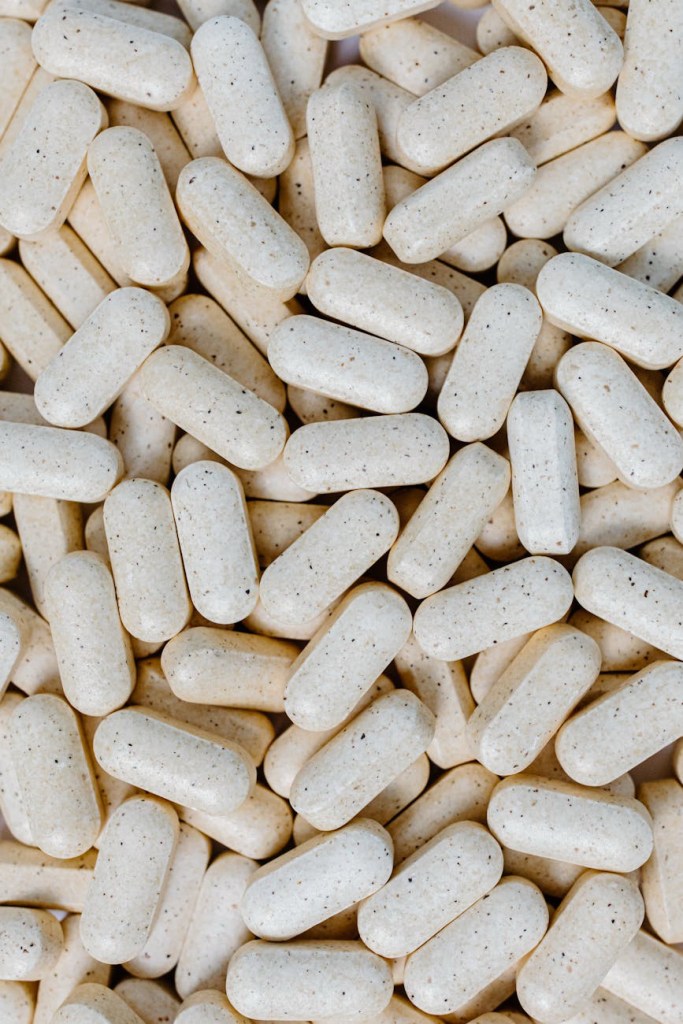
A former athlete I worked with popped up the other day asking if he should start taking HMB to increase muscle mass. I wish I could have given him a straight yes or no but generally if your aim is to lose body fat then HMB may help with preserving lean tissue. However, research is far from definitive in support of its efficacy.
Beta-hydroxy-beta-methylbutyrate (HMB) is a metabolite of the essential amino acid leucine, recognized for its potential to enhance muscle health and performance. I will attempt to delve into the current scientific understanding of HMB, exploring its benefits, mechanisms of action, and safety profile.
Benefits of HMB Supplementation
1. Muscle Mass and Strength Enhancement
Research indicates that HMB supplementation can lead to significant improvements in muscle mass and strength. An umbrella review of meta-analyses by Bideshki et al. (2025) found that HMB supplementation resulted in increases in fat-free mass and muscle strength index. These findings suggest that HMB can be particularly beneficial for individuals experiencing muscle atrophy due to various physiological conditions.
2. Attenuation of Muscle Loss in Clinical Conditions
Loss of skeletal muscle mass and muscle weakness are common in various clinical conditions, leading to impaired physical function. A systematic review and meta-analysis by Rowlands et al. (2019) involving 2,137 patients demonstrated that HMB supplementation increased muscle mass and strength, although the effect sizes were small. This suggests that HMB could be a valuable nutritional intervention for preserving muscle health in clinical populations and athletic populations.
3. Reduction of Exercise-Induced Muscle Damage
HMB has been shown to reduce muscle damage associated with intense physical activity, thereby accelerating recovery. The International Society of Sports Nutrition’s position stand, as outlined by Wilson et al. (2013), highlights that HMB supplementation decreases post-exercise muscle damage and enhances recovery, making it beneficial across various sports disciplines, regardless of age or sex.
Mechanisms of Action
The anabolic effects of HMB are primarily attributed to its role in protein metabolism. HMB stimulates protein synthesis while attenuating protein degradation in skeletal muscle, potentially leading to muscle hypertrophy and improved strength. Additionally, HMB supplementation has been associated with reductions in total cholesterol, LDL cholesterol, and systolic blood pressure, suggesting potential cardiovascular benefits
Safety and Dosage
HMB supplementation is generally considered safe for consumption. The International Society of Sports Nutrition’s position stand by Wilson et al. (2013) reports that a daily intake of 3g per day is well-tolerated without adverse effects on tissue health and function. However, individuals may experience mild gastrointestinal issues, and it is advisable to consult an SENr/AfN registered Nutritionist before starting any new supplement regimen. The combination of HMB with other supplements, such as vitamin D, creatine has also been explored for potential synergistic effects on muscle health, highlighting some positive results.
Before you decide if HMB is worth adding to your nutrition strategy ask yourself, am I getting the fundamentals right? I.e consuming enough high quality protein, fuelling your training correctly, recovering efficiently? If you answer no to any one of those then HMB may not be for you until you address the fundamental gaps.
Conclusion
HMB emerges as a promising supplement for enhancing muscle mass, strength, and recovery, particularly in populations susceptible to muscle loss, such as older adults and those undergoing intense physical training. Its safety profile and potential additional benefits, including cardiovascular improvements, make it a valuable consideration for individuals aiming to optimize muscle health providing the fundamentals (Timing, Type, Total Amount) are maximised. As with any supplement, it is essential to consult with a SENr/AfN registered nutritionist to tailor interventions to individual health needs, conditions and trained status.
References
1. Bideshki, A., Bagheri, R., Rashidlamir, A., Motevalli, M. S., & Wong, A. (2025). Ergogenic Benefits of β-Hydroxy-β-Methyl Butyrate (HMB) Supplementation on Body Composition and Muscle Strength: An Umbrella Review of Meta-Analyses. Journal of Cachexia, Sarcopenia and Muscle, 16(2), 123-135.
2. Rowlands, D. S., Thomson, J. S., Timmons, B. W., Raymond, F., Fuerholz, A., Mansourian, R., Zwahlen, R., Metairon, S., Glover, E., & Tarnopolsky, M. A. (2019). β-Hydroxy-β-methylbutyrate and its impact on skeletal muscle mass and physical function in clinical practice: a systematic review and meta-analysis. The American Journal of Clinical Nutrition, 109(4), 1119-1132.
3. Wilson, J. M., Lowery, R. P., Joy, J. M., Andersen, J. C., Wilson, S. M., Stout, J. R., & Duncan, N. (2013). International Society of Sports Nutrition Position Stand: beta-hydroxy-beta-methylbutyrate (HMB). Journal of the International Society of Sports Nutrition, 10(1), 6.
4. Nissen, S. L., & Sharp, R. L. (2000). β-Hydroxy-β-methylbutyrate (HMB) supplementation in humans is safe and may decrease cardiovascular risk factors. The Journal of Nutrition, 130(8), 1937-1945.
 CC_Nutrition
Leave a comment