
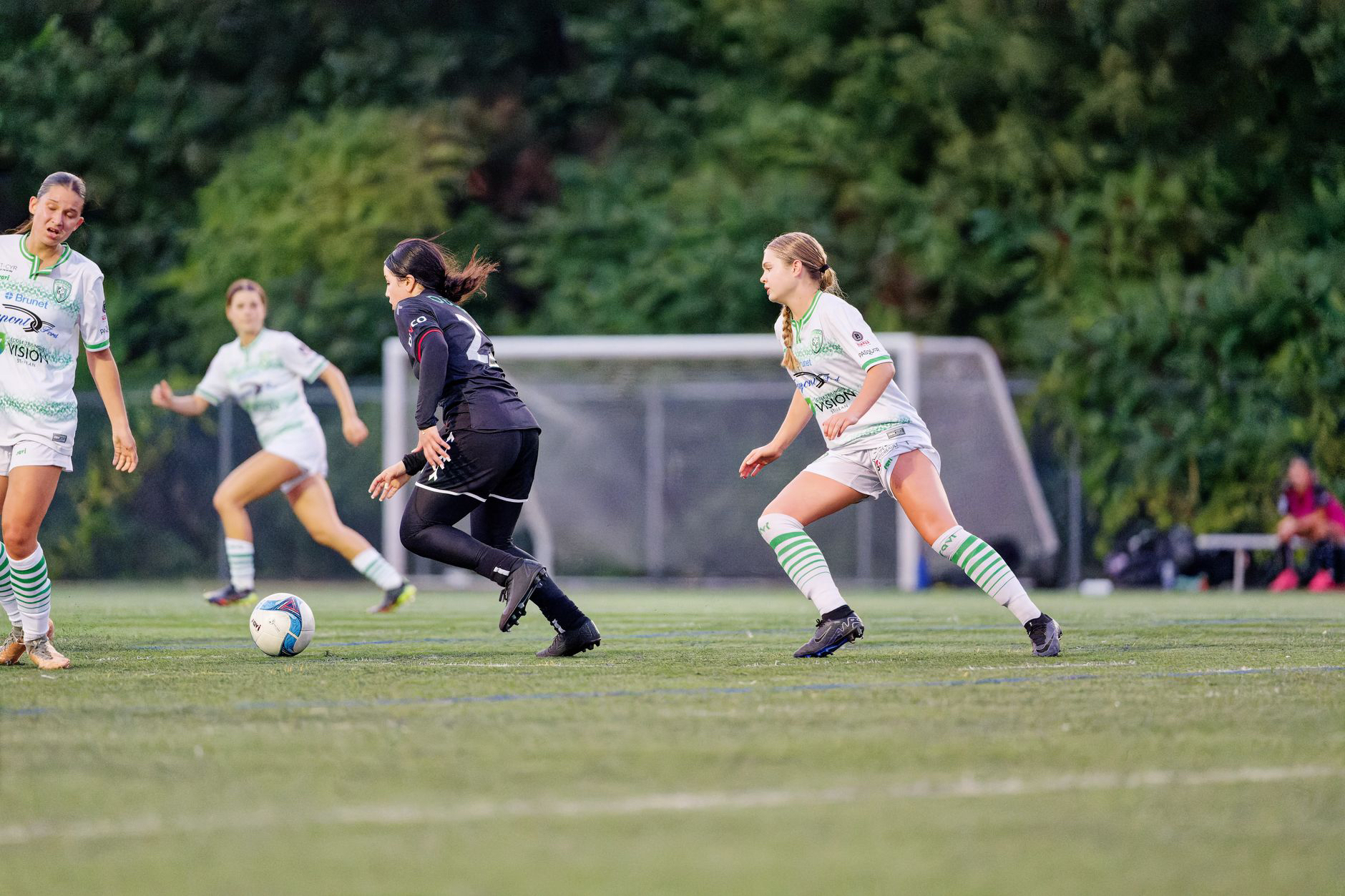
“Simple, Effective Fuel for Youth Football Tournament Performance”
Introduction
Tournament football places unique demands on young players, often requiring them to compete in multiple matches within a single day. One of the biggest performance factors in these settings is simple:
What players eat between games.
Poor snack choices can lead to low energy, fatigue, and reduced performance, while effective nutrition supports sustained energy output and decision-making (Amawi et al., 2024).
Why Snacks Between Matches Matter
Football relies heavily on muscle glycogen (stored carbohydrate) to fuel repeated high-intensity actions such as sprinting, pressing, and changes of direction (Burke et al., 2017).
During matches:
- Glycogen stores are progressively depleted
- Fatigue develops as fuel availability drops
- Physical and technical performance declines
Glycogen depletion is a major contributor to fatigue, and its restoration is essential for maintaining performance across repeated matches (Alghannam et al., 2018).
Carbohydrate intake immediately after exercise accelerates glycogen resynthesis, particularly in the early recovery phase (0–4 hours) (Burke et al., 2017).
Guidelines recommend consuming ~1.0–1.2 g/kg/hour of carbohydrate in early recovery when rapid refuelling is required (Wallis & Podlogar, 2022).
What Makes a Good Tournament Snack?
The best snacks between football matches should be:
- High in carbohydrates primary fuel source
- Easy to digest supports rapid energy availability
- Low in fat and fibre reduces gastrointestinal discomfort
- Portable and practical suitable for tournament environments
- Familiar avoids issues with tolerance
Top 15 Snacks Between Football Matches
- Bananas
- White bread sandwiches (jam, honey, chicken)
- Smoothies (fruit + milk or yoghurt)
- Chocolate milk (Amiri et al., 2018)
- Fruit and fruit packs
- Fruit juice
- Low-fibre cereal bars
- Pretzels or crackers
- Boiled potatoes (with salt)
- Bagels
- Rice or pasta pots
- Yoghurt drinks
- Honey sandwiches
- Energy bars
- Sports drinks
How Much Should Players Eat Between Matches?
1–2 hours between matches
- Small snack (e.g. banana + sports drink)
2–4 hours between matches
- Larger snack including some protein (e.g. sandwich + yoghurt drink)
4+ hours between matches
- Light meal (e.g. pasta + fruit)
Timing: When Should They Eat?
Rather than a strict “30-minute window”, research shows glycogen resynthesis is fastest in the first 0–4 hours post-exercise (Burke et al., 2017), and delaying intake reduces recovery rate (Ivy, 2004).
Start refuelling as soon as possible after the match, especially when games are close together.
Hydration: Don’t Forget Fluids
Hydration is critical for performance:
- ~1.5–2% body mass loss can impair soccer performance and concentration (Edwards et al., 2007)
- Dehydration increases perceived effort and fatigue (Leão et al., 2022)
Players should:
- Drink regularly between matches
- Include electrolytes when appropriate
- Aim to replace fluid losses
Sample Tournament Snack Plan
Here’s a simple example of how parents can structure snacks across a tournament day:
Timing Food/Drink Options Purpose
After Game 1 Chocolate milk + banana Rapid recovery (carbohydrates, protein, fluids)
Before Game 2 Jam sandwich + sports drink Top up energy stores and maintain hydration
After Game 2 Smoothie + low-fibre cereal bar Restore glycogen and support recovery
Later in the Day Pasta pot + fruit juice Larger carbohydrate intake for sustained fuel
This plan can be adapted based on the time between matches and individual appetite.
Common Mistakes to Avoid
- High-fat foods → slow digestion
- High-fibre foods → increased gastrointestinal discomfort
- Trying new foods on match day
- Skipping snacks → low energy later
- Poor hydration → reduced performance
Key Takeaways
- Carbohydrates are the priority nutrient between matches
- Early refuelling improves recovery
- Snacks should be simple, familiar, and practical
- Combine carbohydrates and fluids
- Preparation is key to consistent performance
Conclusion
The difference between strong and declining performances in tournament football often comes down to fuel availability and hydration. Evidence-based snack strategies support glycogen replenishment, recovery, and sustained performance across multiple matches.
Smart snacks = sustained performance.
That’s why I created the high protein performance snacks guide. Get yours now
Related Articles
Parent Football Nutrition Guide: Fuelling young players Effectively.
References
Amawi, A. et al. (2024). Athletes’ nutritional demands.
Alghannam, A.F., Gonzalez, J.T. & Betts, J.A. (2018). Glycogen restoration and performance.
Amiri, M. et al. (2018). Chocolate milk recovery review.
Burke, L.M. et al. (2017). Glycogen resynthesis in humans.
Edwards, A.M. et al. (2007). Dehydration and soccer performance.
Ivy, J.L. (2004). Post-exercise recovery and glycogen synthesis.
Leão, C. et al. (2022). Hydration and performance in soccer.
Wallis, G.A. & Podlogar, T. (2022). Carbohydrate and endurance performance.
Leave a Reply